

 En
En
 русский
 Español
 عربى
عربى

Distillation Unit Applications Across Petrochemical and Alcohol Industrial Sectors
 2026.06.26
In industrial chemical processing environments, separation and purification operations are essential for producing materials with stable composition and usable quality. Within these systems, Extraction Unit and Distillation Unit are frequently applied technologies that support different separation mechanisms depending on feed characteristics and process requirements.
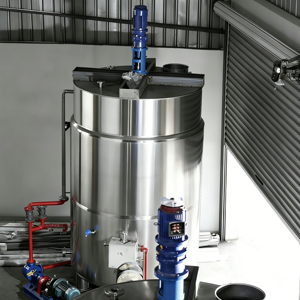
An Extraction Unit typically relies on differences in solubility between phases to transfer components into a selected solvent phase. A Distillation Unit operates based on differences in boiling points, enabling separation through repeated vaporization and condensation cycles. Although both systems are used for separation tasks, they function through distinct physical principles and are often applied at different stages of industrial workflows.
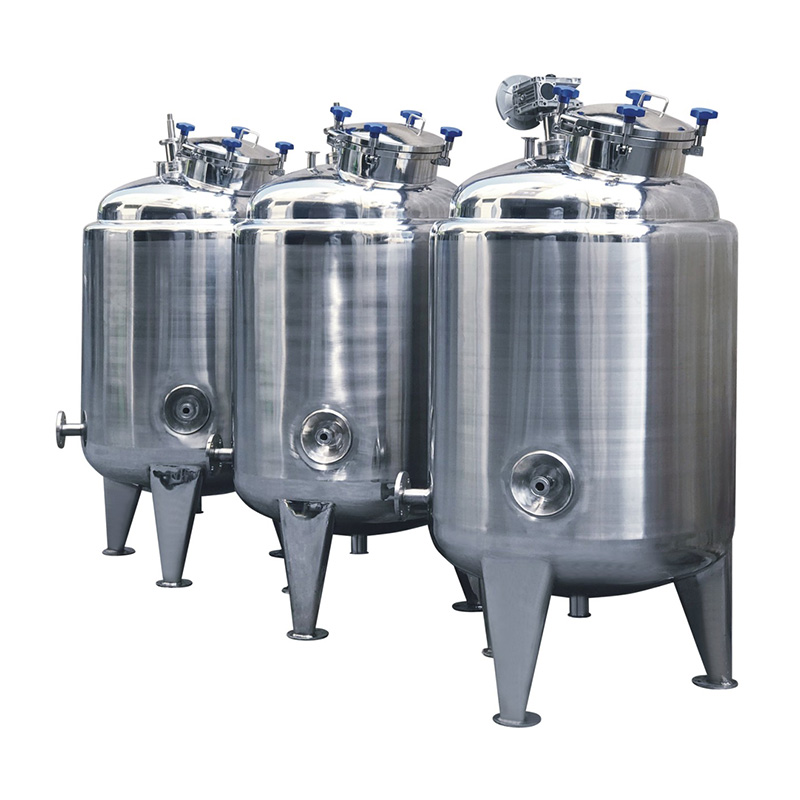
Fundamental Working Principle of Distillation Unit
The core principle of a Distillation Unit is based on vapor-liquid equilibrium. When a mixture is heated, components with lower boiling points tend to vaporize earlier than those with higher boiling points. This vapor is then collected and condensed back into liquid form, allowing separation of components based on volatility differences.
This cycle of evaporation and condensation is repeated within industrial systems to improve separation clarity. The efficiency of the process depends on how well different components respond to thermal energy and how effectively vapor and liquid phases interact within the system.
In many industrial setups, this principle is applied continuously, allowing feed materials to be processed without interruption while maintaining stable separation conditions.
Structure of Distillation Systems
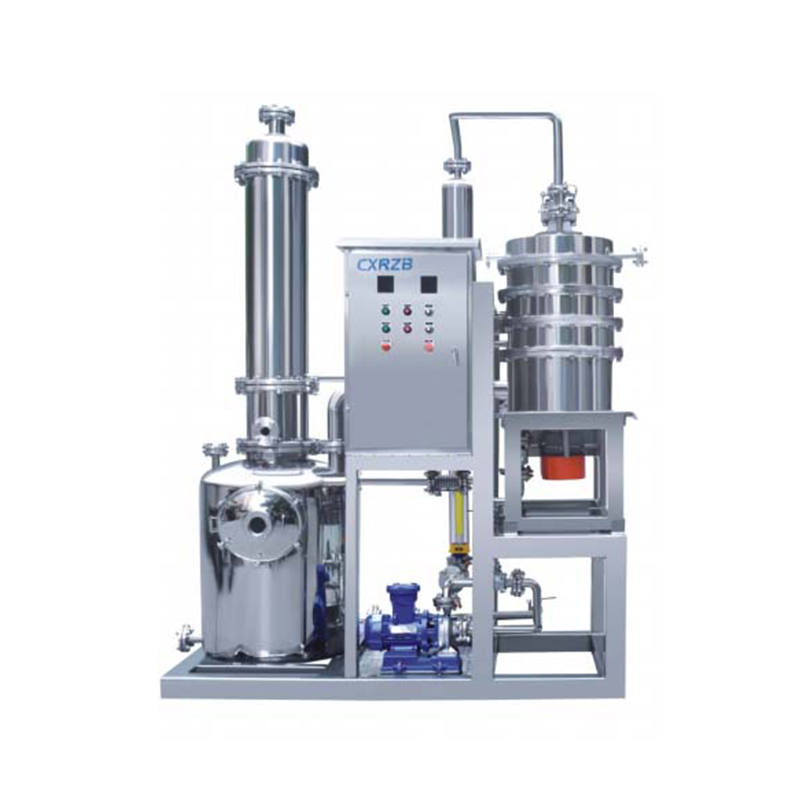
Distillation Unit systems are generally composed of several key sections, including a heating zone, a separation column, and a condensation system.
The heating section is responsible for supplying thermal energy to the feed mixture. The separation column provides internal structures that enhance contact between rising vapor and descending liquid. These internal structures may include trays or packing materials designed to improve phase interaction. The condensation system collects vaporized components and converts them back into liquid form for collection or further processing.
The configuration of these components can vary depending on process requirements, feed composition, and separation goals.
Types of Distillation Unit Configurations
Industrial Distillation Unit systems can be categorized into several types based on operational design.
Batch distillation systems are used for processing defined quantities of material in separate cycles. These systems allow flexible operation and are often applied in small to medium-scale production environments.
Continuous distillation systems operate with a steady feed input and output flow. These systems are commonly used in large-scale industrial environments where consistent processing is required.
Vacuum distillation systems operate under reduced pressure conditions, allowing separation at lower temperatures. This configuration is useful when dealing with temperature-sensitive materials that may degrade under high thermal exposure.
Steam-assisted distillation systems introduce steam to help carry volatile compounds, often applied in specialized separation scenarios.
Operational Stages in Distillation Processes
The operation of a Distillation Unit typically involves several sequential stages.
In the initial stage, the feed mixture is introduced into the system and subjected to controlled heating. As temperature increases, components begin to vaporize based on their boiling points. The vapor then rises through the separation column, where repeated contact with descending liquid phases occurs.
During this interaction, components with different volatility levels begin to separate progressively. The vapor reaching the top of the system is then directed to a condensation unit, where it is cooled and converted back into liquid form.
The resulting liquid fractions are collected separately, depending on their condensation behavior and system design.
Integration with Extraction Unit Systems
In many industrial workflows, Distillation Unit systems are used alongside Extraction Unit processes to achieve layered separation effects. Extraction is often applied at earlier stages to isolate specific compounds based on solubility differences, while distillation is used later to refine or purify the extracted components.
For example, after an extraction process produces a solvent-rich solution, distillation may be applied to separate the solvent from the target compound. This allows solvent recovery and material refinement within the same process chain.
This integration supports multi-stage separation strategies where different physical principles are used to handle complex mixtures more effectively.
Key Process Parameters in Distillation
Several operational factors influence the performance of a Distillation Unit. Temperature control is one of the primary variables, as it directly affects vaporization behavior. Pressure conditions also play an important role, especially in systems designed for vacuum operation.
Another important factor is internal column design, which affects the interaction between vapor and liquid phases. The efficiency of separation depends on how well these phases can interact over multiple cycles within the column structure.
Energy input management is also a critical consideration, as it influences system stability and operational consistency.
Industrial Importance of Distillation Systems
Distillation systems are widely applied in chemical processing industries for separating mixtures into usable fractions. These systems are particularly useful when components have distinct volatility characteristics that allow separation through thermal methods.
In many industrial environments, Distillation Unit systems are combined with other separation technologies to handle complex material streams. This combination allows for greater flexibility in process design and supports a wide range of material processing requirements.
The adaptability of distillation systems makes them suitable for both small-scale operations and continuous large-scale production environments.

Quick Links
Product Center
Contact Details
-
 +86-577-86997010
-
 +86-577-86997020
-
 [email protected]
-
[email protected]
-
 No. 155, Jifeng Road, High-tech Zone, Longwan District, Wenzhou, Zhejiang Province, China
SHARE


CONTACT US NOW
Copyright ©Zhejiang Xinchuangxing Technology Co.,Ltd. All Rights Reserved.
 Privacy Policy
Supergravity Equipment Manufacturers