

 En
 русский
 Español
 عربى

A Better CIP Routine Can Make Product Changeovers Easier
 2026.10.23
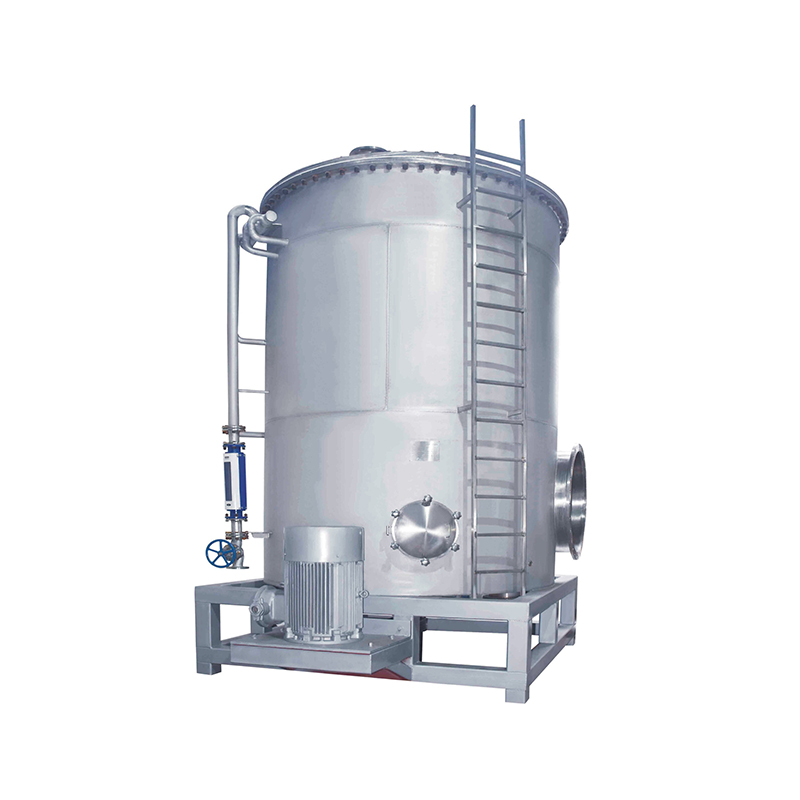
CIP Cleaning Unit selection becomes much more practical when a factory handles several products during the same working day. After one batch is finished, operators need to prepare tanks, pipes, pumps, and other contact surfaces for the next production run. A cleaning system that fits naturally into this workflow can make changeovers easier to organize while reducing the amount of manual work involved. For manufacturers, the real value of CIP equipment is often found in these everyday production details.
Start With the Product Changeover
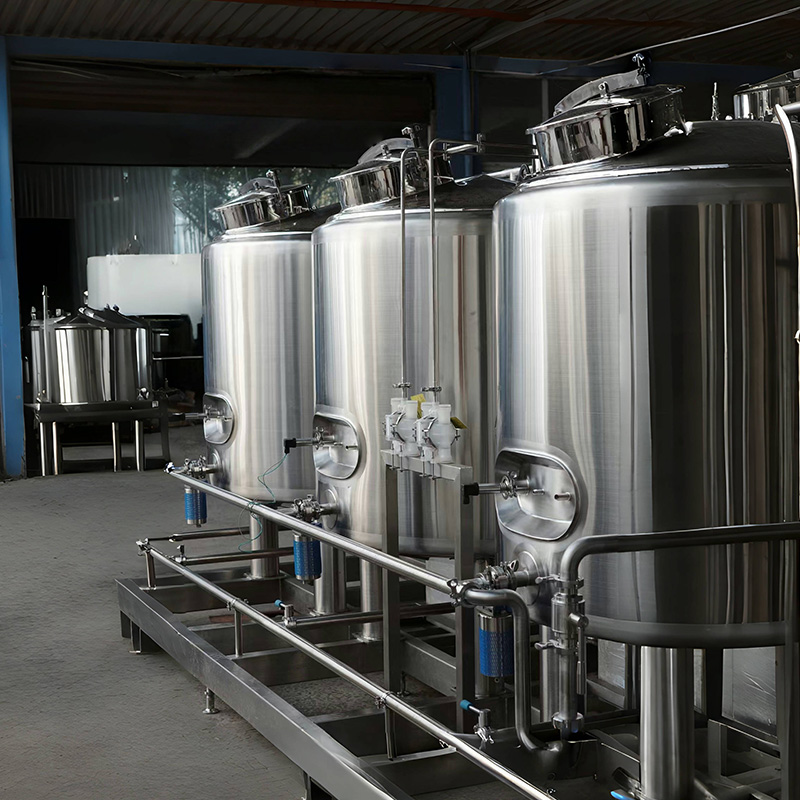
Not every product changeover creates the same cleaning challenge. A liquid with a light residue may require a different cleaning approach from a product containing oils, proteins, sugars, or other materials that adhere more strongly to process surfaces. Before selecting equipment, engineers should map out which production lines are connected, which components need cleaning, and how frequently products change.
Separate Cleaning Circuits When Needed
A large processing line does not always need to be treated as one cleaning circuit. Separating tanks, pipelines, or production sections into suitable circuits can give operators more control over the cleaning process. It can also prevent unnecessary circulation through equipment that does not require cleaning at that moment. The right arrangement depends on the plant layout and production process, so circuit planning should be considered during the equipment design stage.
Make Manual Steps Easier to Control
Operators still play an important role in many production environments, even when cleaning is automated. Problems can occur when workers have to repeatedly connect hoses, adjust valves, check cleaning liquids, or remember different cleaning sequences. A well-arranged CIP system can simplify these steps through clearly defined flow paths and centralized controls, making the daily routine easier to follow.
Keep Cleaning and Production Connected
The CIP process should not be planned separately from the production equipment. Tank outlets, transfer pumps, pipelines, valves, heat exchangers, and return lines all influence how cleaning fluid moves through the system. When these components are considered together, engineers can create a cleaning route that matches the actual production layout instead of forcing the plant to adapt to an unsuitable cleaning sequence.
Useful Process Data Helps During Changeovers
Modern cleaning systems can also provide operators with useful process information. Parameters such as temperature, flow, pressure, and conductivity can help teams understand what is happening during a cleaning cycle. If a changeover takes longer than expected, recorded process conditions can help engineers investigate the cause instead of relying only on operator observations.
Consider Maintenance Between Production Runs
Changeover planning is also a good time to think about equipment maintenance. Sensors, valves, pumps, seals, spray devices, and control components all contribute to reliable CIP operation. Easy access to these parts can make routine inspection more manageable and help maintenance teams respond when cleaning performance starts to change.
Build the System Around Daily Production
For a CIP equipment manufacturer, designing a cleaning system means looking beyond the cleaning cycle itself. The production schedule, product characteristics, equipment layout, cleaning circuits, operator workflow, and maintenance requirements all need to work together. A properly configured CIP Cleaning Unit can become a practical part of the production routine, helping plants handle product changeovers with clearer procedures and less unnecessary manual intervention.

Quick Links
Product Center
Contact Details
-
 +86-577-86997010
-
 +86-577-86997020
-
 [email protected]
-
[email protected]
-
 No. 155, Jifeng Road, High-tech Zone, Longwan District, Wenzhou, Zhejiang Province, China
SHARE


CONTACT US NOW
Copyright ©Zhejiang Xinchuangxing Technology Co.,Ltd. All Rights Reserved.
 Privacy Policy
Supergravity Equipment Manufacturers