

 En
En
 русский
 Español
 عربى
عربى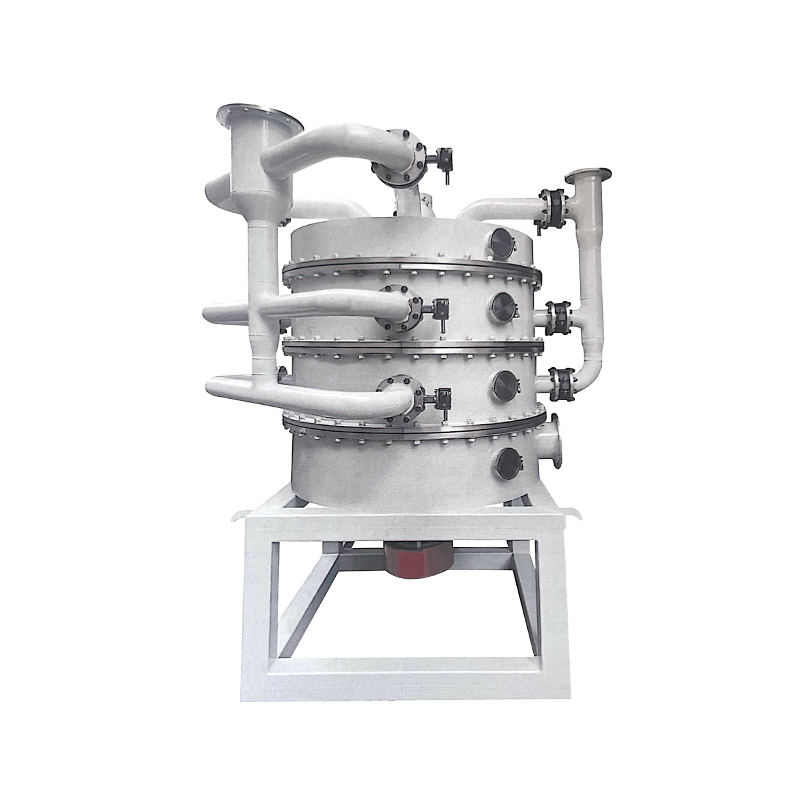

When a CIP Cycle Looks Normal but Cleaning Results Still Fall Short
 2026.10.16
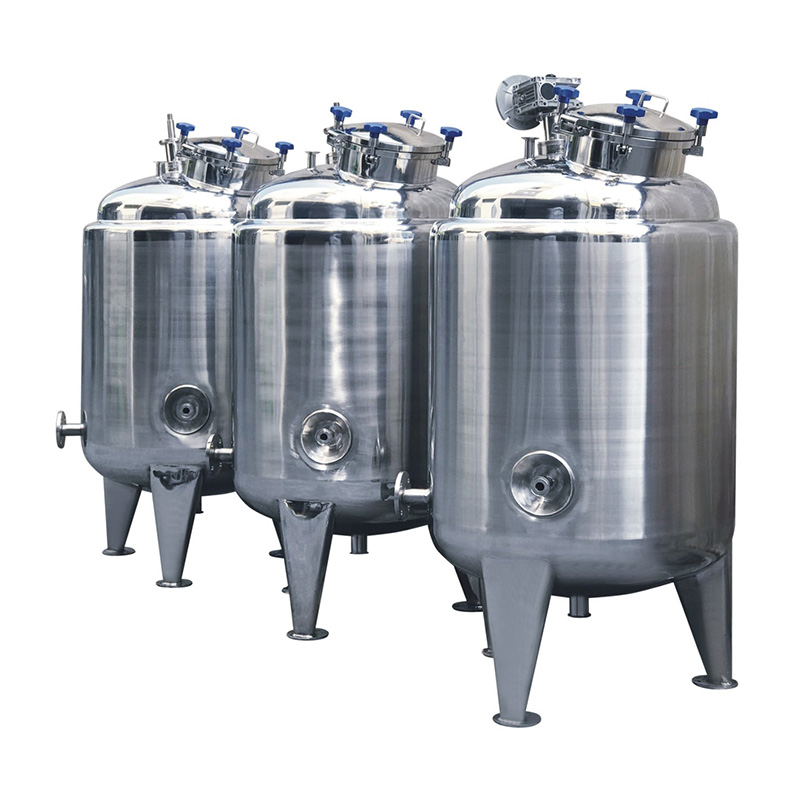
A CIP Cleaning Unit can complete its programmed cycle and still leave processing equipment with unwanted residue. This is frustrating for production teams because the control panel may show a normal sequence while operators notice deposits, odor, or inconsistent cleaning results afterward. In our experience as a CIP equipment manufacturer, these problems are often related to how the cleaning solution moves through the process line, rather than simply how long the cycle runs.
Check the Hard-to-Reach Areas First
When residue keeps appearing in the same location, the step is to identify where it collects. Tank outlets, valve connections, pipe bends, seals, and product transfer sections can behave differently during circulation. A cleaning solution needs sufficient contact with these surfaces to remove contamination. If one area repeatedly causes trouble, increasing the entire cleaning cycle may not address the actual cause.
Spray Coverage Can Change the Result
For tanks and vessels, spray devices have a direct effect on cleaning coverage. Their position, operating conditions, and connection to the circulation system should match the vessel design. A poorly covered surface may receive cleaning liquid but not enough mechanical action to remove attached residue. When developing a CIP solution, manufacturers need to consider the vessel shape and internal equipment rather than selecting spray components separately from the rest of the system.
Valves Need Careful Attention
Valves are another common point where cleaning performance can become inconsistent. Complex valve arrangements can create areas where product remains trapped or where cleaning flow is weaker than expected. Hygienic valve selection and suitable piping arrangements can make the cleaning route easier to manage. During system evaluation, engineers should examine both the product path and the CIP return path instead of looking at individual components in isolation.
Temperature and Chemicals Work Together
Cleaning chemistry is not simply about using more detergent. Temperature, concentration, contact time, and mechanical action all influence the cleaning result, and their suitable combination depends on the residue and process. Research into food residue removal continues to examine how these factors interact during cleaning rather than treating each variable separately.
Watch What Happens During the Return Cycle
The return side of a CIP system can provide useful information when cleaning results change. Changes in flow, pressure, temperature, or conductivity may indicate that the cleaning process is behaving differently from the intended sequence. For operators, observing these conditions during circulation can be more useful than checking only whether the program has finished.
Design for Easier Troubleshooting
A well-planned CIP system should also make maintenance easier. Clearly arranged piping, accessible instruments, suitable valve layouts, and logical cleaning circuits help engineers locate problems without dismantling large sections of the production line. This becomes particularly useful when a plant handles different products and cleaning requirements throughout the working day.
Match the CIP System to the Production Line
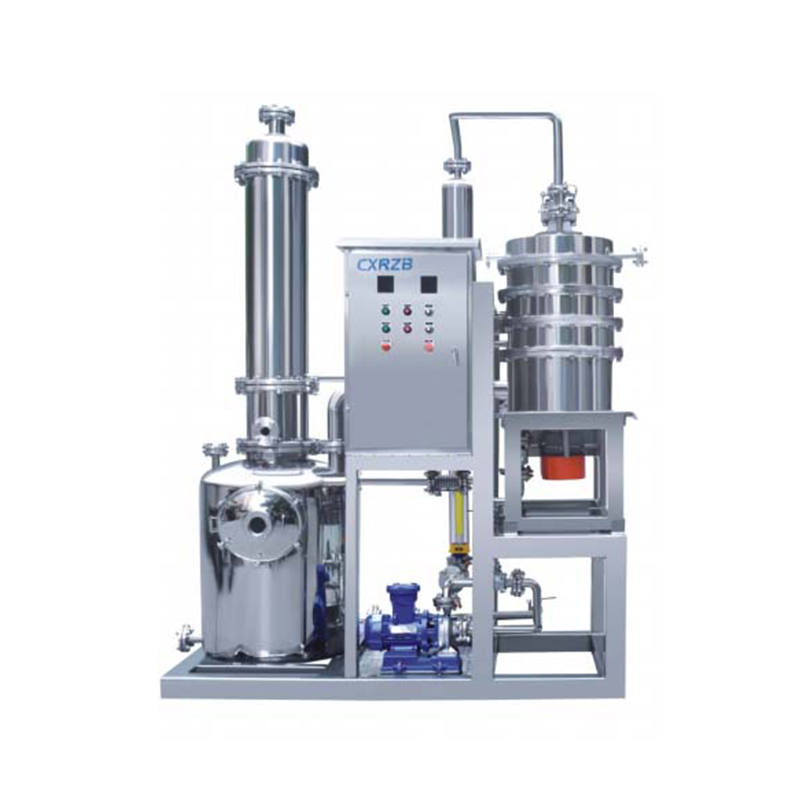
There is no practical value in choosing a CIP Cleaning Unit simply because its basic cleaning functions look complete on paper. The system should match the equipment being cleaned, the type of residue, the available utilities, the required cleaning sequence, and the operator’s workflow. As a manufacturer, we approach CIP projects from the actual production process first, helping buyers build a cleaning solution that is easier to operate, inspect, maintain, and integrate with existing processing equipment.

Quick Links
Product Center
Contact Details
-
 +86-577-86997010
-
 +86-577-86997020
-
 [email protected]
-
[email protected]
-
 No. 155, Jifeng Road, High-tech Zone, Longwan District, Wenzhou, Zhejiang Province, China
SHARE


CONTACT US NOW
Copyright ©Zhejiang Xinchuangxing Technology Co.,Ltd. All Rights Reserved.
 Privacy Policy
Supergravity Equipment Manufacturers