

 En
En
 русский
 Español
 عربى
عربى

Can a Stainless Steel Storage Tank Leach Contaminants
 2026.02.20
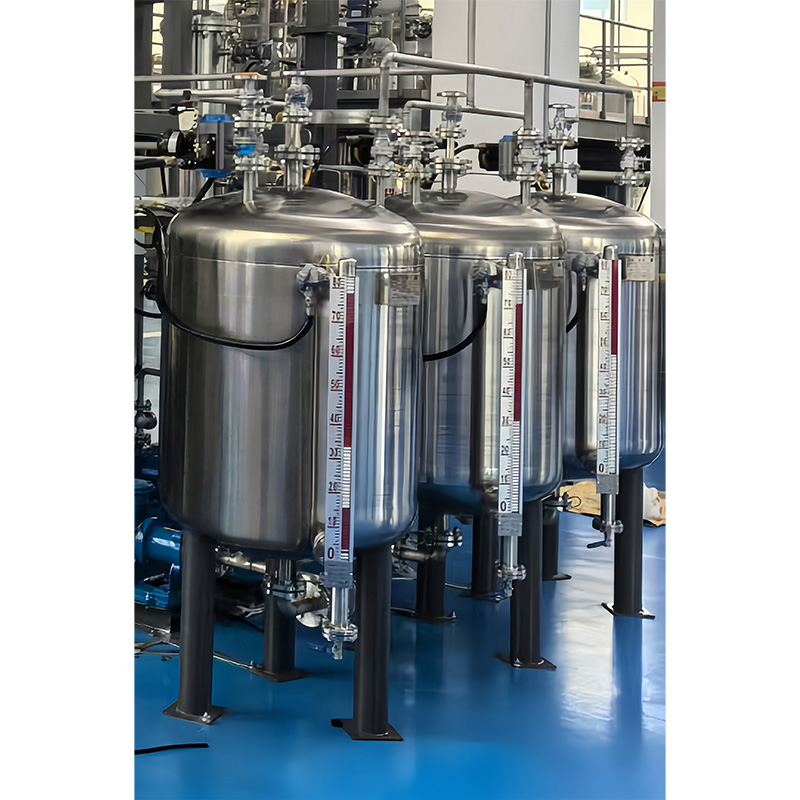
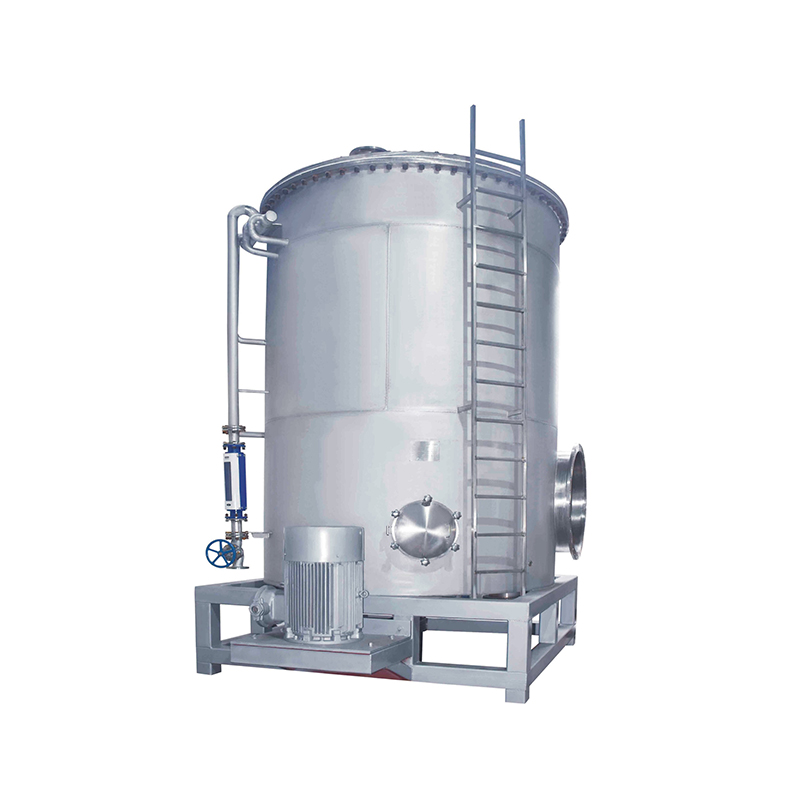
Hygienic Storage Tank is often chosen in critical processes precisely because it must maintain product purity under demanding conditions, and a Stainless Steel Storage Tank is widely used where contamination risks are unacceptable — such as drinkable water, food ingredients, and sensitive process fluids. Many users ask whether stainless steel can leach harmful substances or otherwise compromise stored contents, and this article explores what contaminants might arise and what factors influence this critical safety concern.
Why Material Choice Matters for Safety
Stainless steel stands out compared to many other materials because it is non-reactive and non-leaching when fabricated and finished properly. It won’t introduce contaminants into stored liquids the way some plastics or low-grade metals can under heat or long contact times, helping ensure that contents remain as intended.
Unlike plastics that can develop micro-scratches or degrade chemically over time — potentially releasing additives or absorbing odors — stainless steel’s smooth, inert surface resists these effects. That’s one reason it’s often recommended where hygiene and purity are important.
Leaching Risk: What Does It Really Mean?
“Leaching” refers to the release of substances from a tank material into the stored product. For many other materials, especially certain plastics or poorly chosen metals, leaching can occur due to interaction with heat, chemicals, or prolonged storage. Stainless steel, by contrast, is largely chemically inert and will not readily release metal ions or compounds into more stored media. Its corrosion resistance comes from a stable chromium oxide layer on the steel’s surface, which prevents continuous dissolution of material into the contents.
This property is particularly important in applications like potable water storage, where contaminants can pose health risks and where stainless steel tanks help preserve water quality.
Are There Situations Where Contamination Happens?
Although stainless steel is highly inert, it’s not completely immune under all conditions. Performance depends on tank grade, surface finish, and the chemical nature of the stored fluid:
Low-quality or improperly finished stainless steel: Surface defects like rough spots or crevices can trap residues and promote microbial growth, which can indirectly affect stored product quality — not because of material leaching, but due to hygiene issues.
Aggressive chemical environments: Certain highly corrosive agents can attack stainless steel (especially lower grades) if the wrong type is chosen, causing to potential corrosion that could compromise tank integrity. This is good in hygienic service but common in specialized industrial waste applications.
Poor maintenance: Residue build-up, biofilms, or trapped contaminants from prior batches can affect product purity if CIP/SIP cleaning isn’t properly applied. Regular sanitation protocols help prevent this concern.
Importantly, in carefully engineered systems where the correct stainless steel grade (like 316L) is used and surfaces are polished, the risk of chemical leachate from the metal itself is extremely low.
Surface Finish and Cleanability: A Related Concern
One often-asked question is how surface finish affects contamination risk. Smooth, polished internal surfaces reduce the chances of microscopic crevices where bacteria or residue could hide. A polished finish with low roughness not only enhances hygiene but directly supports effective Cleaning-in-Place (CIP) procedures.
This advantage means that operations with stringent cleanliness expectations — such as food processing or pharmaceuticals — can maintain product purity more consistently.
Insights from User-Level Experiences
Some users report issues like unexpected residue or discoloration inside tanks during regular use. While such observations sometimes prompt worries about contamination from the tank material, often the cause lies elsewhere: residual process fluid, insufficient drainage, or surface finish issues. Addressing these concerns with proper cleaning protocols and the right tank specification is key to maintaining purity.
Design and Material Selection Are Critical
Choosing the right stainless steel grade, ensuring quality fabrication, and applying appropriate finishing techniques can all influence how well a tank resists chemical interaction and supports hygienic operation. At Zhejiang Xinchuangxing Technology Co., Ltd., we emphasize careful engineering of tank interiors to ensure smooth, passivated surfaces that resist microbial adhesion and help prevent contamination. Thoughtful design and material specification are essential parts of minimizing leaching risk and maintaining product integrity.
In practical terms, a Stainless Steel Storage Tank used as a Hygienic Storage Tank rarely leaches contaminants into stored product when correct materials, surface finishes, and maintenance practices are applied. Instead, more contamination risks arise from residue build-up, microbial growth, or improper material selection rather than the metal itself. By focusing on quality fabrication, thoughtful hygiene design, and routine maintenance, operators can ensure stable storage conditions and protect both product quality and safety over time.

Quick Links
Product Center
Contact Details
-
 +86-577-86997010
-
 +86-577-86997020
-
 [email protected]
-
[email protected]
-
 No. 155, Jifeng Road, High-tech Zone, Longwan District, Wenzhou, Zhejiang Province, China
SHARE


CONTACT US NOW
Copyright ©Zhejiang Xinchuangxing Technology Co.,Ltd. All Rights Reserved.
 Privacy Policy
Supergravity Equipment Manufacturers