

 En
En
 русский
 Español
 عربى
عربى

Hygienic Storage Tank Cleaning Challenges You Should Know
 2026.02.13
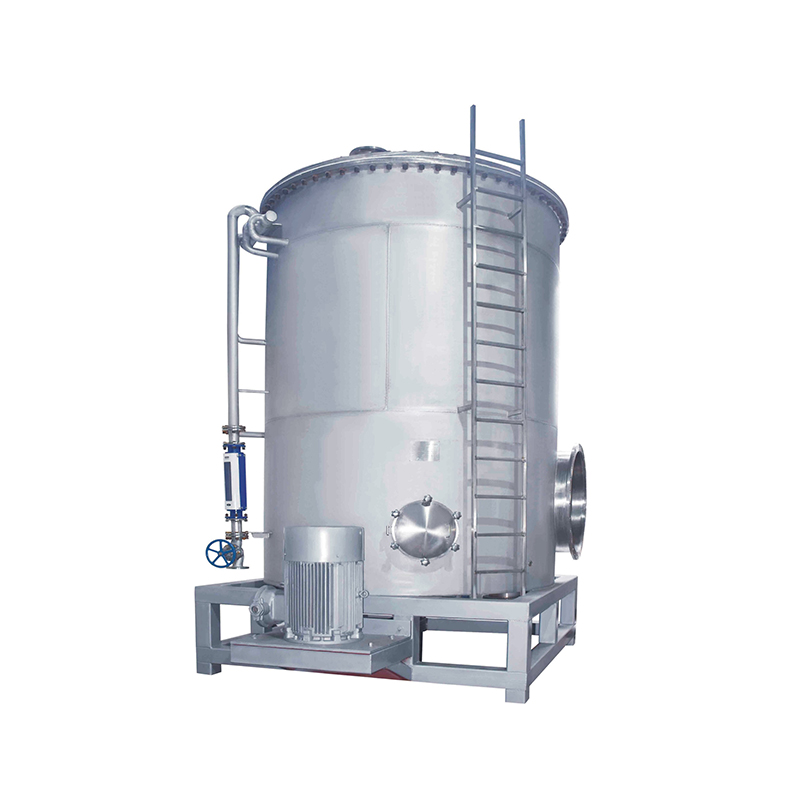
A Hygienic Storage Tank plays a crucial role in industries such as food processing, dairy, and pharmaceuticals where cleanliness directly impacts product quality. Similarly, a Stainless Steel Storage Tank is often selected for its corrosion resistance and cleanability. Despite these advantages, many users have raised questions about the cleaning challenges associated with these tanks — especially when hygiene standards are strict or where residues build up over repeated use.
Why Cleaning Is More Complex Than It Seems
One misconception is that selecting stainless steel automatically eliminates cleaning challenges. In practice, a Stainless Steel Storage Tank can still accumulate sludge, microbial growth, and residue build-up if cleaning is not properly scheduled and executed. Over time, particles and liquids that remain after discharge can settle, degrade, and form deposits that are harder to remove. This phenomenon is not uncommon and often requires more than simple flushing to address thoroughly.
Moreover, users may underestimate the degree of microbial contamination risk. If moisture remains inside a tank between cleanings, bacteria and other organisms can thrive on the surface and in crevices, creating conditions that compromise the hygiene of the stored material. Tanks with complex internal features or insufficient drainage can inadvertently provide niches for these contaminants.
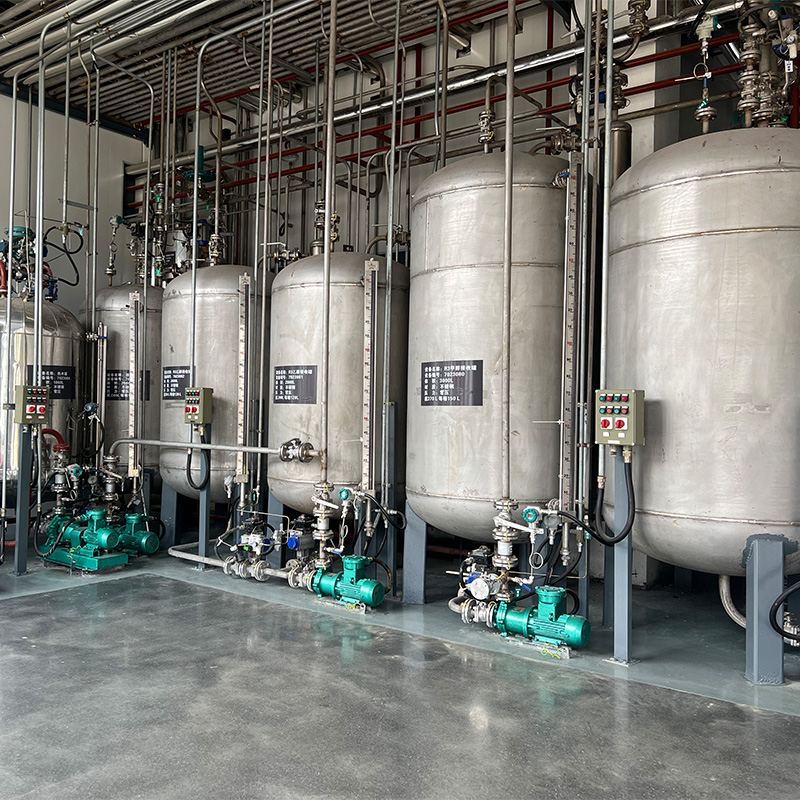
Common Tank Cleaning Challenges Explained
Here are some of the more frequently reported cleaning challenges that operators should be aware of:
1. Residue and Sludge Accumulation
Over multiple cycles, material residues can settle at the bottom or along interior walls of a Hygienic Storage Tank. This buildup can reduce effective capacity, interfere with sensors and valves, and even slow down subsequent processes if not removed. Regular cleaning schedules and proper draining techniques help counteract this issue.
2. Microbial Growth and Biofilms
Bacteria and microorganisms don’t just remain floating in solution — they can adhere to surfaces and form biofilms. This can happen more easily when interior finishes are rougher or when cleaning intervals are too long. Products stored over time can leave traces that nourish microbial colonies unless effectively removed.
3. Confined Space Hazards During Cleaning
Cleaning a large storage tank often requires entering a confined space. This involves safety considerations such as oxygen deficiency and exposure to lingering vapors or residues, which can pose health risks for maintenance teams. Proper safety planning and ventilation are essential before personnel enter for manual cleaning tasks.
Practical Approaches to Cleaning and Hygiene
To address these challenges, many facilities utilize a combination of mechanical cleaning methods and systematic procedures:
Scheduled Cleaning Cycles: Establishing a regular cleaning schedule after specific batches or production runs prevents deposits from hardening and becoming difficult to remove.
CIP (Clean-in-Place) Systems: Automated CIP systems reduce manual labor and ensure that cleaning solutions reach all internal surfaces without disassembly.
Proper Drainage and Design: Tanks with sloped bottoms and fully draining outlets help eliminate standing liquid where residue and microbes might accumulate.
Safety Protocols: Before any internal cleaning, checking air quality and ensuring proper personal protective equipment (PPE) can safeguard cleaning crews against confined space hazards.
Material and Surface Finish Impact
While material choice like 316L stainless steel provides nice resistance to corrosion, the surface finish also plays an important role in cleanability. Smooth surfaces with low roughness are less likely to trap residues and microbial pockets, making routine sanitation more effective.
Beyond basic material selection, thoughtful fabrication — such as polished welds, ground interior surfaces, and seamless fittings — can significantly reduce cleaning difficulty and improve hygiene outcomes.
How Zhejiang Xinchuangxing Technology Co., Ltd. Helps
At Zhejiang Xinchuangxing Technology Co., Ltd., we understand that effective hygiene management starts long before cleaning — it begins with tank design. Our Hygienic Storage Tank solutions integrate features that support easier cleaning and sanitation, such as optimized drain points, interior finishes that resist residue buildup, and configurations tailored for industrial cleaning protocols. These design measures not only improve cleanability, they also support safer and more efficient maintenance workflows.

Quick Links
Product Center
Contact Details
-
 +86-577-86997010
-
 +86-577-86997020
-
 [email protected]
-
[email protected]
-
 No. 155, Jifeng Road, High-tech Zone, Longwan District, Wenzhou, Zhejiang Province, China
SHARE


CONTACT US NOW
Copyright ©Zhejiang Xinchuangxing Technology Co.,Ltd. All Rights Reserved.
 Privacy Policy
Supergravity Equipment Manufacturers