

 En
En
 русский
 Español
 عربى
عربى

CIP Cleaning Unit Improves Automated Tank And Pipeline Cleaning Performance
 2026.07.24
CIP Cleaning Unit and Stainless Steel Emulsification Mixer are commonly used together in manufacturing facilities where hygienic processing and efficient equipment maintenance are important. As production systems become more automated, manufacturers are placing greater attention on cleaning methods that reduce manual work while maintaining consistent operating conditions.
Cleaning tanks and pipelines manually can be time-consuming, particularly in systems with complex piping networks and enclosed processing equipment. Automated cleaning technology provides an effective approach for maintaining equipment without extensive disassembly.
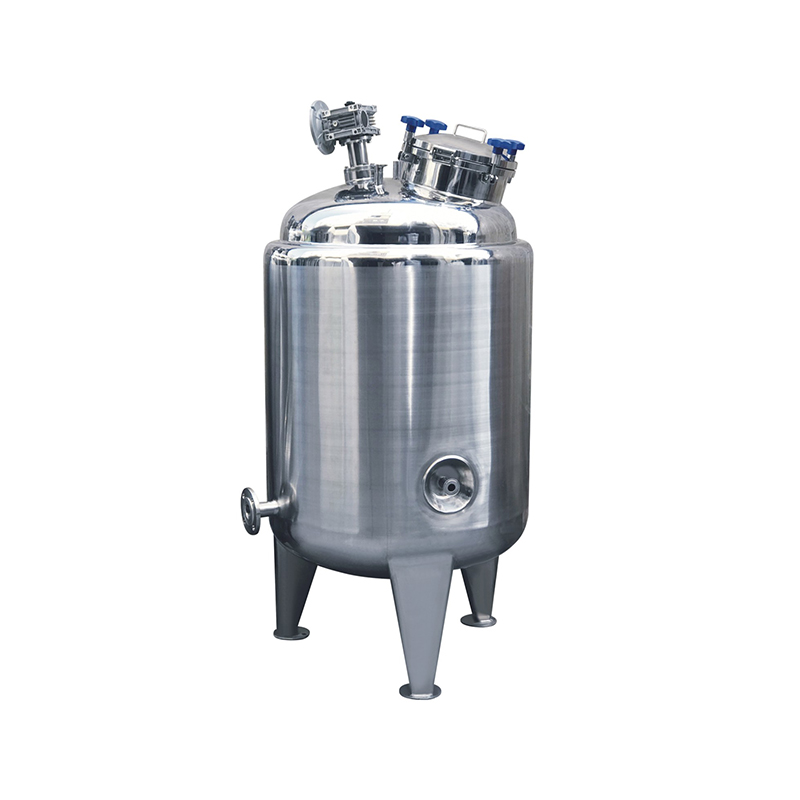
The Role of a CIP Cleaning Unit
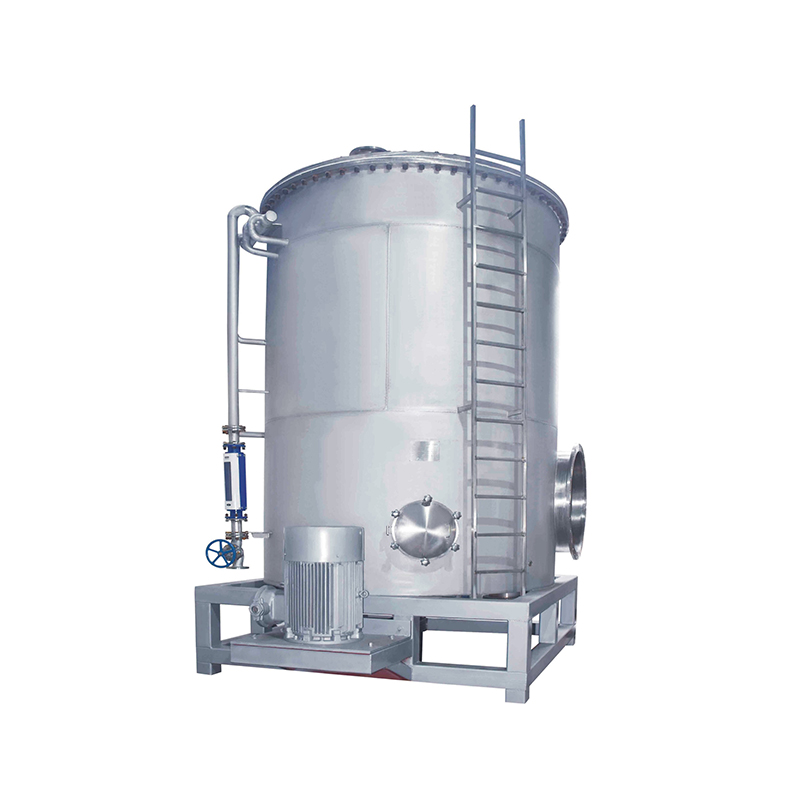
A CIP Cleaning Unit is designed to clean the internal surfaces of processing equipment by circulating cleaning solutions through tanks, pipelines, pumps, valves, and other connected components. Because the cleaning process takes place within the equipment, production systems can be cleaned without removing major parts.
The cleaning cycle generally follows a sequence of rinsing, detergent circulation, intermediate flushing, and final rinsing. Depending on production requirements, additional sanitation steps may also be included.
When connected with a Stainless Steel Emulsification Mixer, the cleaning system can reach mixing chambers and internal components that would otherwise require manual cleaning, supporting a more organized maintenance process.
Common Cleaning Challenges
Industrial production often involves materials with different viscosities and chemical properties. Creams, gels, sauces, lotions, and similar products may leave residues inside tanks, pipelines, and mixing equipment after processing.
If these residues are not removed completely, they can influence subsequent production batches and increase cleaning time. Manual cleaning may also produce inconsistent results depending on operating procedures.
A CIP Cleaning Unit addresses these challenges by providing controlled cleaning cycles that circulate cleaning solutions evenly throughout the system. This approach helps clean internal surfaces more consistently while reducing dependence on manual operations.
Supporting Tank and Pipeline Performance
Production equipment includes more than mixing tanks alone. Pipelines, valves, transfer pumps, and connection fittings all require routine cleaning to maintain smooth production.
The CIP Cleaning Unit supports cleaning throughout the entire process line rather than focusing only on a single piece of equipment. Cleaning solutions flow through connected components, helping remove accumulated product residues from areas that are difficult to access manually.
The Stainless Steel Emulsification Mixer benefits from this integrated cleaning approach because its internal mixing structure can be cleaned as part of the complete circulation process, allowing the equipment to be prepared for the next production cycle more efficiently.
Advantages of Automated Cleaning
Automated cleaning offers several operational benefits for industrial facilities. Cleaning procedures become more repeatable because each cycle follows a predefined sequence. Operators spend less time performing manual cleaning tasks, allowing production teams to focus on equipment operation and quality control.
The CIP Cleaning Unit also helps standardize routine maintenance procedures. Consistent cleaning practices support stable production conditions and simplify equipment management across multiple production cycles.
Because the Stainless Steel Emulsification Mixer is designed with hygienic stainless steel construction, it works effectively with automated cleaning systems that circulate cleaning solutions through enclosed equipment.
Flexible System Configurations
Different production facilities have different cleaning requirements. Some operations use compact cleaning systems for individual processing lines, while others require centralized cleaning systems that serve multiple tanks and production areas.
A CIP Cleaning Unit can be configured according to equipment layout, production workflow, and cleaning procedures. Mobile cleaning units may be suitable for flexible production environments, while fixed systems can support continuous manufacturing operations.
The Stainless Steel Emulsification Mixer can also be incorporated into these cleaning arrangements through sanitary connections that allow efficient circulation between the mixer and the cleaning system.
Applications Across Manufacturing Industries
Automated cleaning systems are widely used in food processing, pharmaceutical manufacturing, cosmetic production, beverage processing, and chemical industries. These sectors require equipment cleanliness to support product quality and reliable production.
Whether producing lotions, creams, ointments, sauces, or liquid formulations, manufacturers often integrate the CIP Cleaning Unit with a Stainless Steel Emulsification Mixer to simplify cleaning while supporting routine production activities.
This combination allows equipment to transition from production to cleaning and back into operation through a structured workflow.
Supporting Continuous Production
As manufacturing facilities continue to improve production efficiency, automated cleaning systems remain an important part of equipment management. A well-designed cleaning process helps maintain hygienic production conditions while reducing interruptions between batches.
The CIP Cleaning Unit provides a practical solution for cleaning tanks, pipelines, and processing equipment through automated circulation. When combined with a Stainless Steel Emulsification Mixer, the system supports reliable production workflows, organized maintenance procedures, and consistent equipment cleanliness across a variety of industrial applications.

Quick Links
Product Center
Contact Details
-
 +86-577-86997010
-
 +86-577-86997020
-
 [email protected]
-
[email protected]
-
 No. 155, Jifeng Road, High-tech Zone, Longwan District, Wenzhou, Zhejiang Province, China
SHARE


CONTACT US NOW
Copyright ©Zhejiang Xinchuangxing Technology Co.,Ltd. All Rights Reserved.
 Privacy Policy
Supergravity Equipment Manufacturers