

 En
En
 русский
 Español
 عربى
عربى

Stainless Steel Emulsification Mixer Works With CIP Cleaning System Integration
 2026.07.17
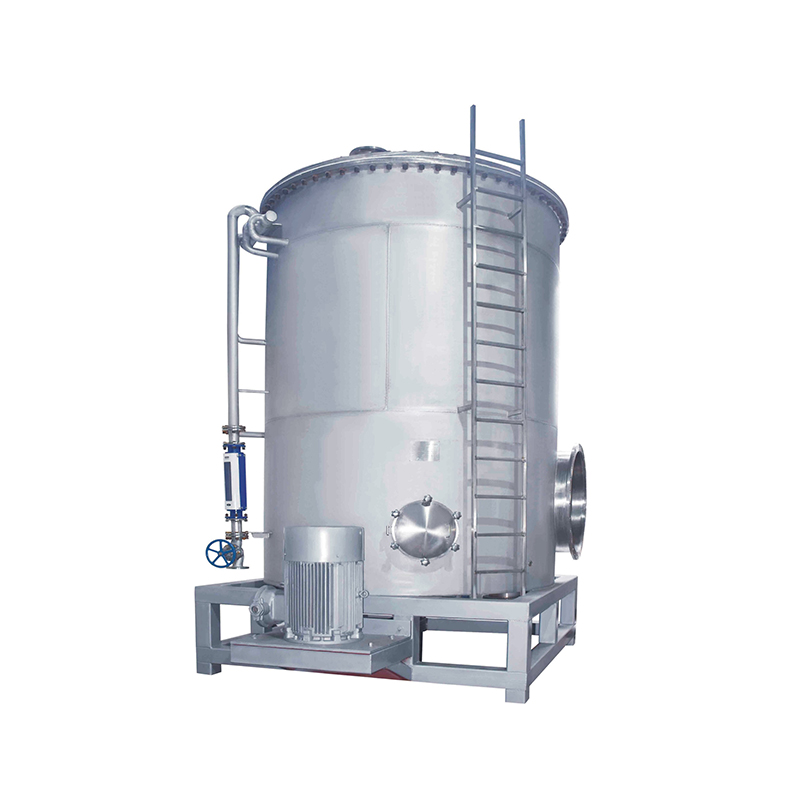
Stainless Steel Emulsification Mixer and CIP Cleaning Unit are often integrated into production lines where efficient mixing and hygienic cleaning are equally important. Many manufacturers aim to reduce production interruptions while maintaining consistent product quality, making integrated processing systems an important part of daily operations.
Instead of treating mixing and cleaning as separate processes, modern production facilities increasingly connect these systems into a unified workflow. This approach supports smoother production scheduling and helps prepare equipment for subsequent batches with less manual intervention.
Why Integration Matters
A production line that combines mixing and automated cleaning can simplify routine operations. After the emulsification process is completed, the cleaning system can begin without removing major equipment components. This allows tanks, pipelines, valves, and mixing assemblies to be cleaned through a controlled circulation process.
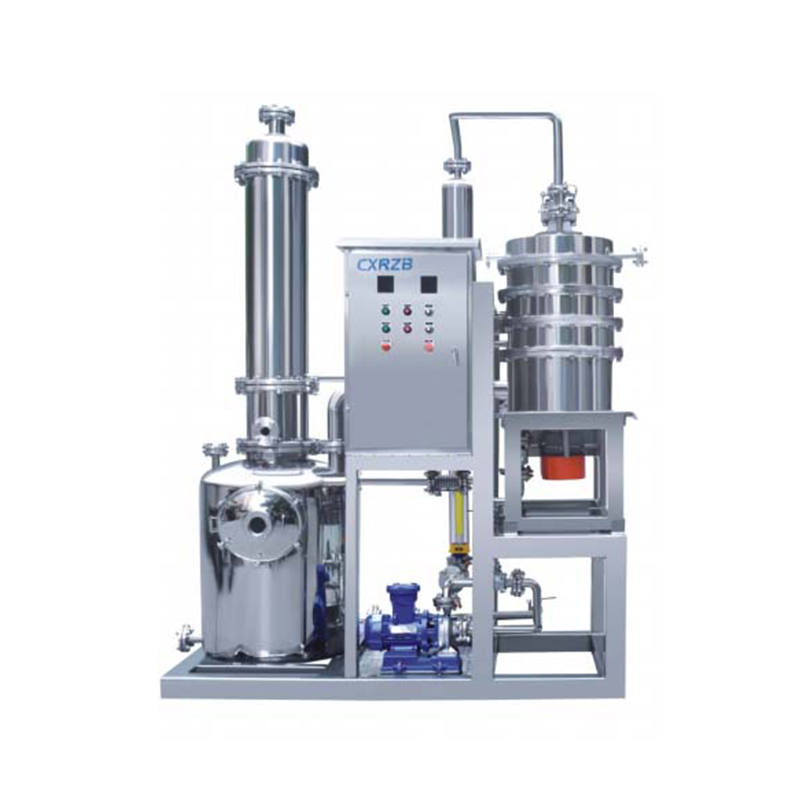
The Stainless Steel Emulsification Mixer performs the core mixing task by dispersing materials through high shear action, while the CIP Cleaning Unit removes product residues from internal surfaces after processing. Working together, these systems create a more organized production cycle.
This integrated design is commonly used in industries where different formulations are produced on the same equipment throughout the day.
How the Integrated System Operates
The production process generally begins with raw materials entering the emulsification tank. During mixing, the rotor-stator assembly creates shear forces that blend ingredients into a uniform emulsion. Depending on production requirements, heating, cooling, or vacuum functions may also be incorporated into the process.
Once production is completed, the Stainless Steel Emulsification Mixer transfers finished material to the next processing stage. The CIP Cleaning Unit then starts an automated cleaning cycle.
Cleaning solutions circulate through the tank, pipelines, pumps, and mixing head, reaching areas that are difficult to clean manually. After each cleaning stage, the system is rinsed before moving to the next step until the equipment is ready for another production cycle.
Benefits for Hygienic Manufacturing
Maintaining clean processing equipment is essential in industries that manufacture cosmetic, pharmaceutical, and food-related products. Residual materials left inside equipment may affect subsequent batches if cleaning is not performed thoroughly.
The CIP Cleaning Unit supports hygienic production by delivering repeatable cleaning procedures throughout the system. Automated circulation allows cleaning solutions to contact internal surfaces consistently, reducing the possibility of residue remaining inside the equipment.
Because the Stainless Steel Emulsification Mixer is designed with smooth stainless steel surfaces, it is well suited for automated cleaning processes and routine maintenance.
Improving Production Workflow
Integrated equipment helps manufacturers organize production more efficiently. Operators can move from one production batch to another with fewer manual cleaning steps, allowing equipment to return to operation more quickly.
The Stainless Steel Emulsification Mixer maintains stable processing conditions during product manufacturing, while the CIP Cleaning Unit prepares the equipment for future production. Together, these systems contribute to a continuous workflow that supports daily manufacturing activities.
This approach is particularly useful for facilities producing multiple product types that require regular equipment cleaning between formulations.
Design Features Supporting System Integration
Successful integration depends on equipment design. The emulsification mixer and cleaning system are typically connected through sanitary pipelines and valves that allow cleaning solutions to circulate throughout the production system.
The Stainless Steel Emulsification Mixer may include cleaning spray devices, hygienic pipe connections, and enclosed processing chambers to support automated cleaning. These features help improve cleaning coverage without requiring equipment disassembly.
The CIP Cleaning Unit can also be configured with automated controls that regulate cleaning solution circulation, temperature, and cleaning sequence according to production requirements.
Applications Across Multiple Industries
Integrated mixing and cleaning systems are widely applied in cosmetic manufacturing for products such as creams, lotions, and gels. Pharmaceutical facilities use similar configurations for ointments, topical formulations, and suspension products. Food processing operations also benefit from integrated systems when producing sauces, dressings, and other emulsified products.
Across these industries, the combination of a Stainless Steel Emulsification Mixer and a CIP Cleaning Unit supports consistent production while maintaining hygienic processing conditions.
Supporting Reliable Daily Operations
Manufacturing facilities continue to focus on production consistency, equipment cleanliness, and efficient workflow management. Integrating emulsification equipment with automated cleaning systems provides a practical approach to achieving these goals.
The Stainless Steel Emulsification Mixer delivers reliable mixing performance for a variety of formulations, while the CIP Cleaning Unit helps maintain clean equipment throughout repeated production cycles. Together, they form an integrated solution that supports stable operation, flexible manufacturing, and hygienic processing across a wide range of industrial applications.

Quick Links
Product Center
Contact Details
-
 +86-577-86997010
-
 +86-577-86997020
-
 [email protected]
-
[email protected]
-
 No. 155, Jifeng Road, High-tech Zone, Longwan District, Wenzhou, Zhejiang Province, China
SHARE


CONTACT US NOW
Copyright ©Zhejiang Xinchuangxing Technology Co.,Ltd. All Rights Reserved.
 Privacy Policy
Supergravity Equipment Manufacturers