

 En
 русский
 Español
 عربى
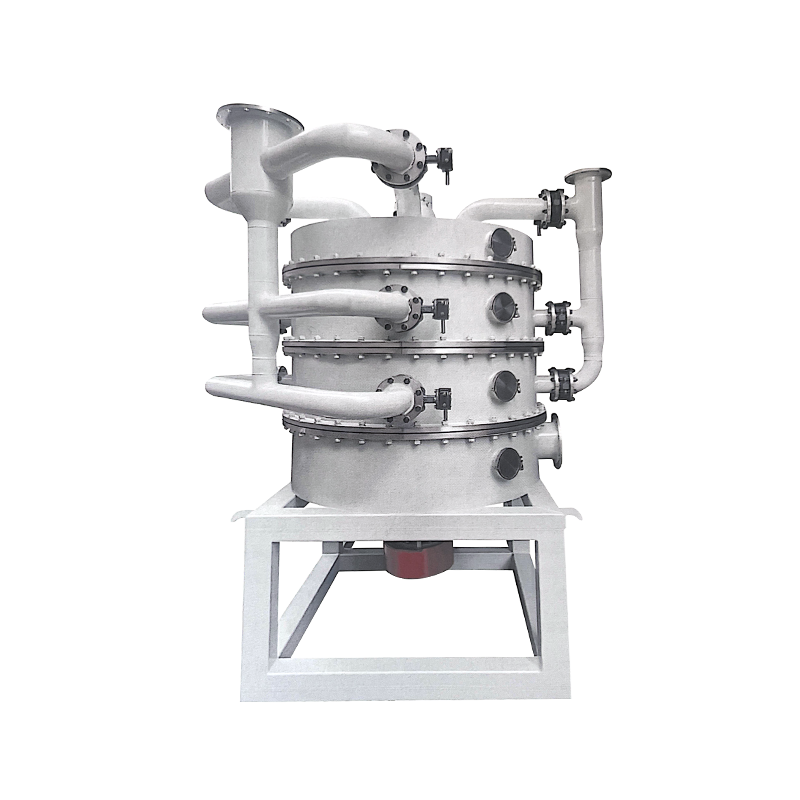

Common Evaporator Selection Mistakes That Can Increase Factory Operating Costs
 2026.11.20
Purchasing an Evaporator is an important decision for factories that need to concentrate liquids, recover water, or reduce the volume of industrial wastewater. However, equipment selection is not always straightforward. Some buyers focus heavily on purchase price and processing capacity while overlooking material properties, cleaning requirements, and energy consumption. These details can create problems after installation, including unstable operation, frequent maintenance, and higher production costs. Understanding a few common selection mistakes can help procurement teams make more practical purchasing decisions.

Focusing on Capacity Without Checking Feed Conditions
Evaporation capacity is often one of the specifications buyers compare. However, two liquids with the same processing volume may require completely different equipment configurations.
For example, fruit juice, chemical solutions, and wastewater can vary significantly in viscosity, solid content, and boiling characteristics. These differences affect heat transfer and evaporation performance.
Before selecting equipment, buyers should provide the manufacturer with basic material information, including:
- Initial liquid concentration and target concentration.
- Daily processing volume.
- Viscosity and solid content.
- Operating temperature requirements.
This information helps determine an appropriate evaporation method instead of relying on capacity figures alone.
Ignoring Material Compatibility
The materials used in an evaporation system directly affect its service life and maintenance requirements. Some chemical liquids contain corrosive components that may damage unsuitable metal surfaces over time.
Stainless steel is commonly used in industrial evaporation equipment, but the appropriate grade depends on the liquid composition, temperature, and operating environment. Buyers should communicate the chemical characteristics of their materials before confirming the equipment design.
As a manufacturer, we recommend evaluating material compatibility during the initial technical discussion rather than treating it as a minor purchasing detail.
Underestimating Cleaning and Maintenance Needs
Deposits can develop on heating surfaces when processing liquids containing minerals, sugars, or suspended solids. If cleaning is difficult, production interruptions may become more frequent.
For continuous production facilities, cleaning convenience should be included in the equipment evaluation. Buyers can check whether the system supports CIP cleaning, whether important components are accessible, and how frequently maintenance is expected under normal operating conditions.
A suitable cleaning arrangement can help operators manage equipment downtime and maintain consistent processing conditions.
Comparing Energy Costs Beyond the Purchase Price
The initial equipment quotation does not represent the complete cost of operating an evaporation system. Steam consumption, electricity usage, cooling water, cleaning, and routine maintenance all contribute to long-term expenses.
For factories with extended operating hours, technologies such as multiple-effect evaporation and mechanical vapor recompression (MVR) may be worth evaluating.
However, these configurations are not suitable for every application. Their economic value depends on production volume, energy prices, feed conditions, and equipment investment.
Overlooking Future Production Changes
A factory's production requirements may change as new products are introduced or order volumes increase. Equipment selected only for current production conditions may become difficult to integrate into an expanded production line.
Buyers should discuss possible capacity adjustments, automation requirements, and connections with existing equipment before placing an order. This is particularly relevant for manufacturers supplying several product categories or processing different liquid materials.
Communication With the Manufacturer Makes a Difference
Technical communication is an important part of purchasing industrial equipment. Providing accurate application details allows the manufacturer to evaluate process requirements and identify possible design limitations before production begins.
Buyers should prepare material samples or technical data when available and discuss heating methods, operating pressure, expected output, and installation conditions with the supplier.
Choose an Evaporator Based on Real Production Requirements
Selecting an Evaporator requires more than comparing prices and technical specifications. Material compatibility, cleaning arrangements, energy consumption, and future production plans all influence equipment suitability. As an industrial equipment manufacturer, we focus on understanding each customer's processing conditions before recommending an evaporation solution. This approach helps buyers reduce selection risks and find equipment that fits their actual manufacturing needs.

Quick Links
Product Center
Contact Details
-
 +86-577-86997010
-
 +86-577-86997020
-
 [email protected]
-
[email protected]
-
 No. 155, Jifeng Road, High-tech Zone, Longwan District, Wenzhou, Zhejiang Province, China
SHARE


CONTACT US NOW
Copyright ©Zhejiang Xinchuangxing Technology Co.,Ltd. All Rights Reserved.
 Privacy Policy
Supergravity Equipment Manufacturers