

 En
 русский
 Español
 عربى
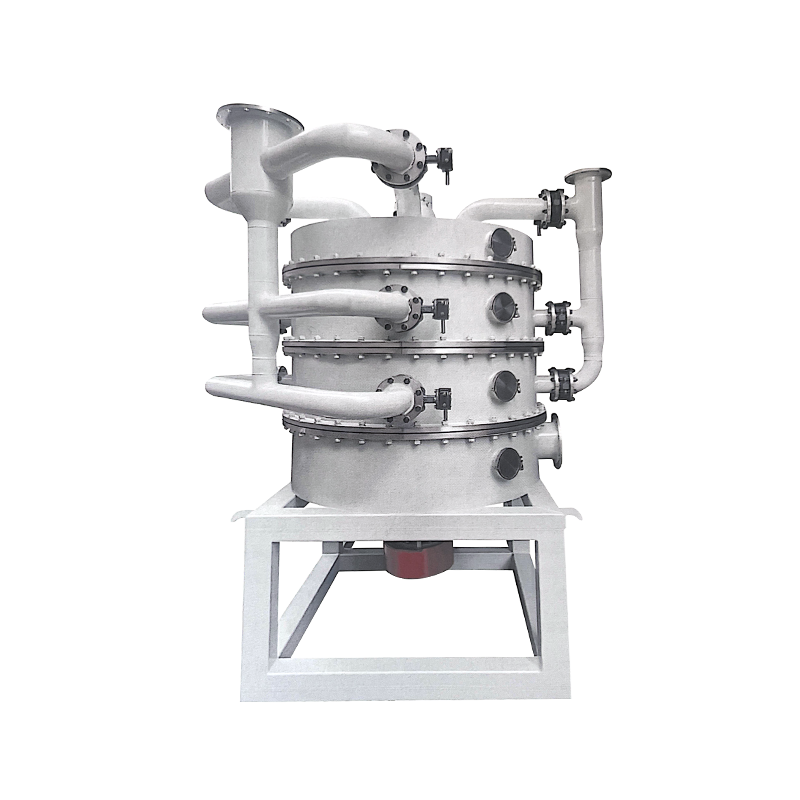

How to Reduce Product Loss and Improve Efficiency in Industrial Evaporation Processes
 2026.11.13
An industrial Evaporator is widely used in food processing, chemical production, pharmaceutical manufacturing, and wastewater treatment. During daily operation, however, many factories face practical problems such as uneven concentration, product residue, cleaning difficulties, and unnecessary energy consumption. These issues can affect production schedules and increase operating costs. For manufacturers planning to purchase new equipment or upgrade an existing production line, understanding how evaporation conditions influence product quality is an important step toward making a suitable investment.

Temperature Control Has a Direct Impact on Product Quality
Temperature management is an important part of the evaporation process. When liquids are exposed to excessive heat, some ingredients may lose their original properties, change color, or develop unwanted odors. This is particularly important for fruit juice, dairy ingredients, herbal extracts, and other heat-sensitive materials.
Vacuum evaporation can help address this problem by lowering the boiling point of liquids. This allows water to evaporate at a lower temperature under suitable operating conditions.
When choosing equipment, buyers should consider the following details:
- Processing temperature and vacuum requirements.
- Product sensitivity to heat exposure.
- Required final concentration.
- Expected production capacity.
These factors help determine whether a vacuum evaporator is suitable for a particular application.
Preventing Product Residue During Continuous Operation
Product residue is a common concern when processing liquids with high sugar content, minerals, or suspended solids. Deposits may gradually accumulate on heating surfaces, reducing heat transfer efficiency and increasing cleaning requirements.
For factories handling sticky or concentrated materials, equipment structure deserves careful attention. Forced circulation systems may be suitable for certain liquids because continuous movement helps reduce localized overheating and supports more consistent heat transfer.
As a manufacturer, we recommend evaluating the material's viscosity and solid content before selecting the circulation method. This helps reduce the risk of choosing equipment that cannot handle actual production conditions.
Selecting the Right Evaporation Technology
Not every production line requires the same evaporation method. Different technologies are designed for different material properties and processing targets.
- Falling Film Evaporator: Suitable for many low-viscosity liquids and heat-sensitive products requiring relatively short heating times.
- Forced Circulation Evaporator: Often used for liquids with higher viscosity or a greater tendency to form deposits.
- Vacuum Evaporator: Helps lower boiling temperatures when processing materials sensitive to heat.
- Multiple Effect Evaporator: Reuses vapor energy across several evaporation stages to reduce external steam requirements.
Buyers should compare these options according to product characteristics, energy availability, and production targets rather than selecting equipment based on capacity alone.
Cleaning Requirements Should Be Considered Before Purchase
Cleaning is not something manufacturers should consider only after equipment installation. In food and pharmaceutical production, hygiene requirements and cleaning procedures can influence the entire equipment design.
A practical evaporation system should provide convenient access to important internal components and support appropriate cleaning methods. For applications requiring frequent product changes, cleaning time may also affect production planning.
Before placing an order, procurement teams can ask the equipment supplier about cleaning procedures, inspection points, maintenance intervals, and available cleaning-in-place (CIP) configurations.
Energy Efficiency Depends on the Complete System
Energy consumption is influenced by more than the heating equipment itself. Feed temperature, insulation, vapor utilization, operating pressure, and heat exchanger performance all contribute to the overall energy demand.
For example, preheating incoming liquid with recovered heat can reduce the additional energy needed during evaporation. Mechanical vapor recompression (MVR) is another option for suitable applications, allowing reusable vapor to provide heating energy within the system.
When comparing equipment quotations, buyers should request information about expected steam consumption, electricity requirements, and operating conditions to make a more practical assessment.
Production Flexibility Matters for Growing Factories
Some factories process only one type of liquid, while others need to switch between different materials or production volumes. In these situations, equipment flexibility becomes an important purchasing consideration.
Adjustable feeding rates, temperature settings, and concentration controls can help operators manage different production requirements. For businesses planning to expand their product range, discussing possible future process changes with the manufacturer before ordering can also help avoid unnecessary equipment modifications.
Find an Evaporator That Matches Your Manufacturing Needs
A suitable Evaporator should match the material being processed, the required concentration, and the factory's daily operating conditions. Temperature control, cleaning convenience, energy consumption, and equipment maintenance all deserve attention during the purchasing process. As an equipment manufacturer, we work with buyers to understand their application requirements and recommend suitable evaporation configurations, helping production facilities manage processing challenges while maintaining stable and efficient operations.

Quick Links
Product Center
Contact Details
-
 +86-577-86997010
-
 +86-577-86997020
-
 [email protected]
-
[email protected]
-
 No. 155, Jifeng Road, High-tech Zone, Longwan District, Wenzhou, Zhejiang Province, China
SHARE


CONTACT US NOW
Copyright ©Zhejiang Xinchuangxing Technology Co.,Ltd. All Rights Reserved.
 Privacy Policy
Supergravity Equipment Manufacturers