

 En
En
 русский
 Español
 عربى
عربى

Designing an Extraction Unit Around Solvent Recovery and Process Stability
 2026.10.02
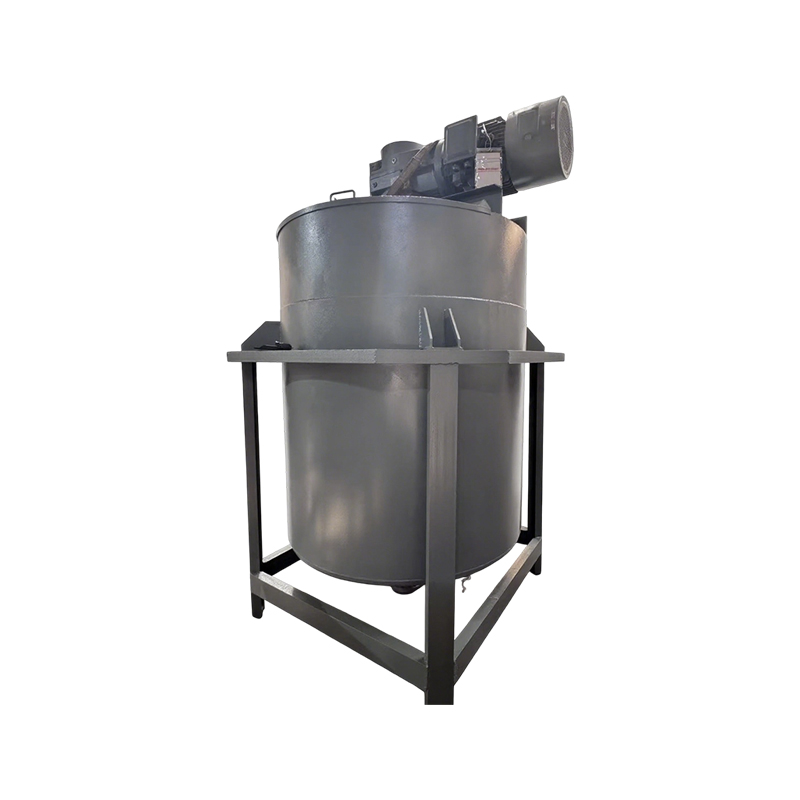
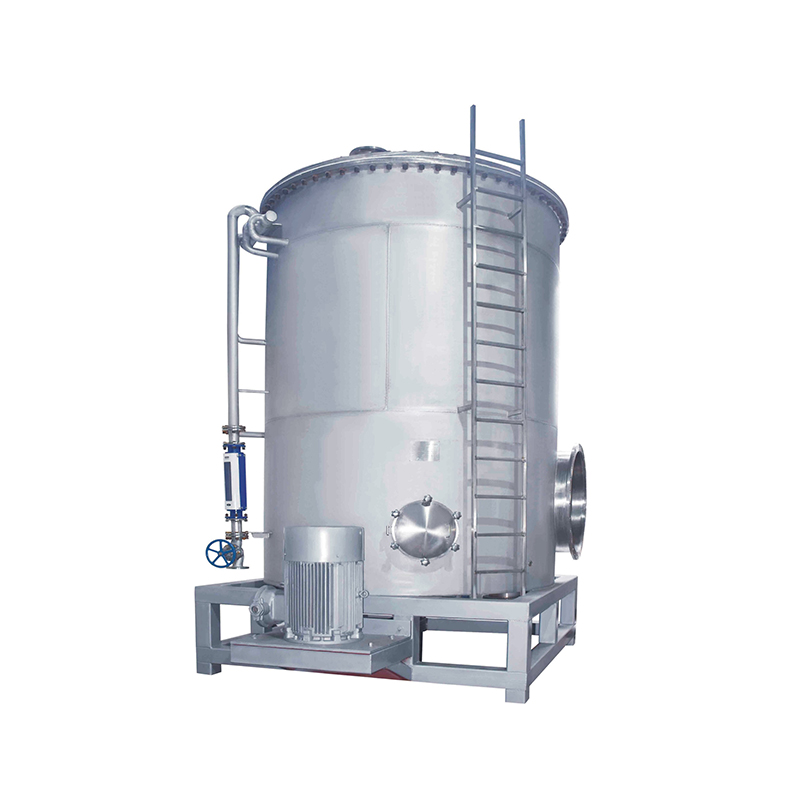
For manufacturers working with botanical materials, pharmaceutical intermediates, food ingredients, or chemical compounds, an Extraction Unit is rarely just a vessel placed in the middle of a production line. The practical challenge is getting extraction, separation, concentration, and solvent handling to work together without creating unnecessary operating problems. Current equipment discussions are increasingly focused on solvent recovery, process control, flexible configurations, and easier cleaning rather than extraction performance alone.
Start With the Material, Not the Equipment
When a customer approaches us for an extraction system, we look at the material being processed. Plant material, liquid mixtures, pharmaceutical intermediates, and other feedstocks can behave very differently during extraction. Particle condition, moisture, viscosity, solvent compatibility, and the desired extract form all affect equipment selection.
Starting with these process details helps prevent a common mistake: choosing a standard configuration and trying to force the production process around it.
Make Solvent Recovery Part of the Design
Solvent recovery deserves attention from the beginning. In practical production, extraction does not end when the target compounds enter the solvent phase. The solvent may need to be separated, recovered, and returned to the process.
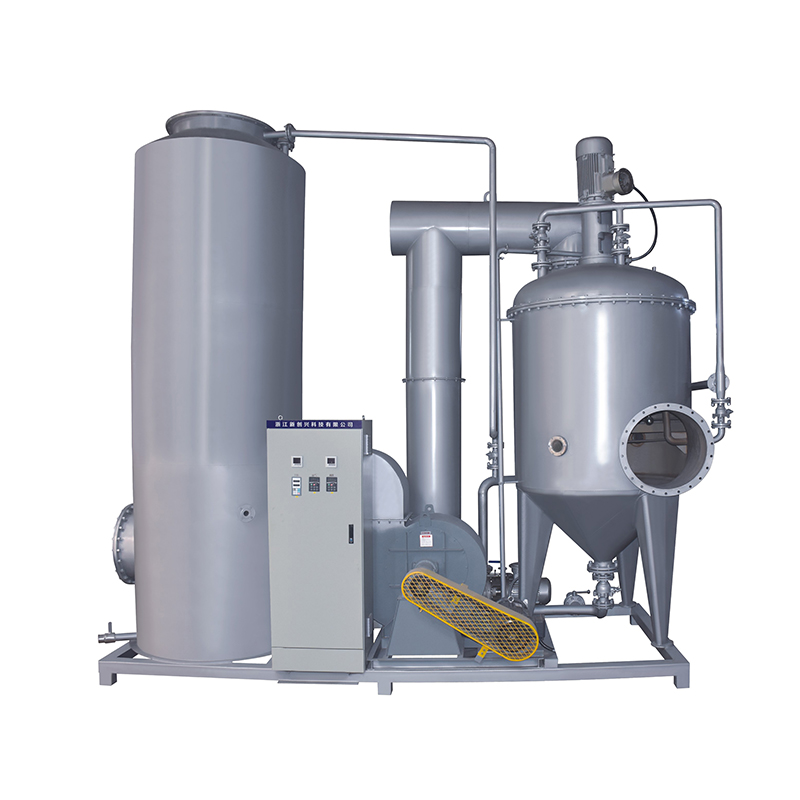
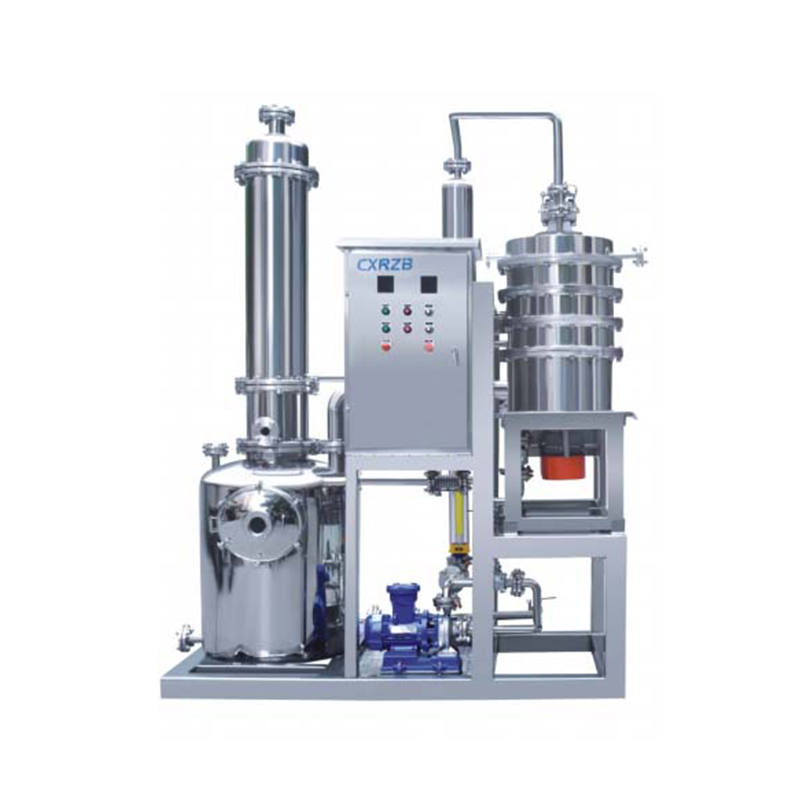
Recent engineering discussions also highlight solvent recovery and reuse as an important part of resource efficiency. A workable system may therefore connect extraction with:
- Solid-liquid separation.
- Vacuum concentration.
- Solvent recovery.
- Condensation.
- Product collection.
Designing these stages together can make operation easier to manage.
Control Temperature During Extraction
Temperature is another detail that can affect day-to-day production. Excessive heating may influence sensitive compounds, while insufficient heat can slow the process.
For this reason, our equipment design considers heat transfer, circulation, insulation, and temperature control as part of the complete process rather than treating heating as an isolated function.
Vacuum operation can also be considered where lower-temperature concentration or solvent removal is required.
Keep Cleaning in the Process Plan
For facilities handling different materials, cleaning is not an afterthought. Residual material inside tanks, pipes, filters, or valves can complicate product changeovers and maintenance.
Extraction equipment used for pharmaceutical, botanical, or food-related applications may therefore benefit from a layout that allows accessible connections, straightforward drainage, and suitable cleaning procedures. Some commercial systems already combine extraction with optional CIP-related configurations.
Build Around the Final Product
The desired output should influence the configuration as much as the raw material. A customer may need a liquid extract, concentrated solution, or dry powder, and each destination can require different downstream equipment.
Our engineers therefore evaluate the complete route instead of focusing only on the extraction vessel. This approach helps avoid adding unnecessary equipment later when production requirements change.
Allow Room for Process Development
Not every project begins with a fixed production recipe. Pilot testing, formulation adjustment, and scale-up can change the required extraction conditions.
Modular arrangements can give engineering teams more flexibility during development, particularly when different materials or solvents may be evaluated. Research into process-intensified extraction has also examined pilot-scale systems with attention to efficiency and reproducibility.
Practical Engineering for Long-Term Operation
When we build an Extraction Unit, our focus is on how the equipment will actually be used after installation: material feeding, extraction, separation, heating, concentration, solvent recovery, cleaning, and maintenance.
A well-matched system should fit the customer's process rather than simply meeting a generic equipment description. By discussing the raw material, solvent, required extract form, operating conditions, and future production plans before fabrication, we can develop an Extraction Unit that supports a more consistent and manageable production workflow.

Quick Links
Product Center
Contact Details
-
 +86-577-86997010
-
 +86-577-86997020
-
 [email protected]
-
[email protected]
-
 No. 155, Jifeng Road, High-tech Zone, Longwan District, Wenzhou, Zhejiang Province, China
SHARE


CONTACT US NOW
Copyright ©Zhejiang Xinchuangxing Technology Co.,Ltd. All Rights Reserved.
 Privacy Policy
Supergravity Equipment Manufacturers