

 En
En
 русский
 Español
 عربى
عربى

Making CIP Cleaning More Predictable in Everyday Production
 2026.10.09
CIP Cleaning Unit performance is becoming a practical concern for food, beverage, dairy, and liquid-product processors. In a busy production area, cleaning is not simply a task between batches. It affects changeover time, water use, chemical consumption, equipment hygiene, and the operator’s workload. Recent industry discussions are also moving toward better monitoring of flow, temperature, chemical concentration, and cleaning conditions rather than relying only on fixed cleaning times.
Start With the Residue, Not the Timer
Different products leave very different deposits inside tanks, pipelines, pumps, and heat-transfer equipment. Protein, sugar, oil, mineral scale, and heat-affected residues do not respond in the same way to a cleaning cycle. A practical CIP setup should therefore be matched to the actual process instead of simply extending the cleaning time whenever residue becomes difficult to remove. Recent research on food residues also highlights the importance of adjusting temperature, detergent concentration, and flow conditions according to the type of deposit.
Flow Conditions Matter Inside the Line
Operators often look at the cleaning recipe first, but the movement of the cleaning solution deserves the same attention. Weak circulation can leave poorly cleaned areas around valves, fittings, pipe sections, and equipment surfaces. When we design CIP equipment, we pay attention to the circulation path and the relationship between pumps, valves, tanks, and connected production equipment. The goal is to deliver cleaning media consistently through the parts that need to be cleaned.
Water Use Is Becoming an Operating Issue
Water recovery and rinse management are also receiving more attention from processing teams. In some production environments, suitable rinse water can be collected and reused within an appropriate cleaning sequence rather than immediately discharged. Industry discussions among brewers and processing operators show growing interest in this approach. The practical solution depends on product type, contamination level, hygiene requirements, and plant procedures, so reuse should be engineered rather than treated as a simple water-saving shortcut.
Automation Helps Operators Avoid Guesswork
A modern CIP system can monitor key operating conditions while the cleaning cycle is running. Flow, pressure, temperature, and chemical concentration can provide useful information about whether the intended process is actually being delivered. Intelligent CIP research is also exploring automated records, alarms, process comparison, and traceability, helping plants move away from paper-based checks and operator memory.
Hygienic Design Starts Before Cleaning
Cleaning performance is also influenced by the equipment being cleaned. Dead spaces, poor drainage, complicated valve arrangements, rough surfaces, and difficult-to-reach sections can make an otherwise well-planned CIP cycle less effective. Hygienic equipment design therefore needs to be considered together with the CIP system, especially when engineers are planning new processing lines or modifying existing ones.
Maintenance Should Be Part of the CIP Plan
A cleaning system needs attention between production problems, not only after an alarm appears. Pumps, valves, sensors, spray devices, pipelines, and control components all affect cycle consistency. For engineering teams, checking whether process readings remain stable can provide useful clues when cleaning results begin to change. This also makes troubleshooting more practical because operators can investigate the process instead of repeatedly adding time or chemicals.
Building a CIP System Around Real Production
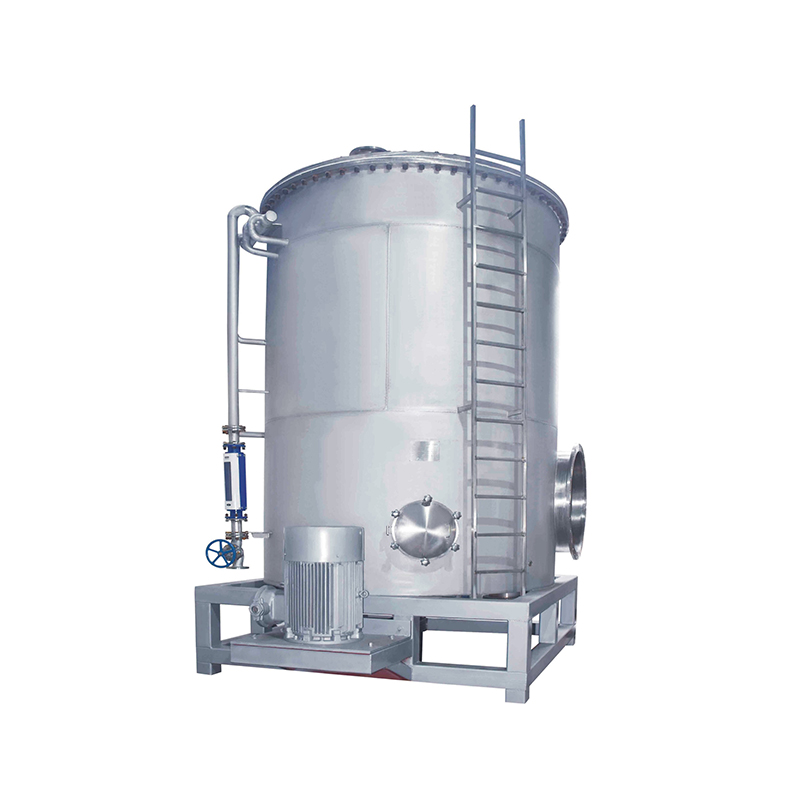
As a CIP equipment manufacturer, we focus on the conditions behind the cleaning requirement rather than treating every production line in the same way. Product residue, equipment layout, cleaning sequence, automation requirements, and future maintenance all need to be considered together. For buyers evaluating a CIP Cleaning Unit, a system that fits the actual production process can make daily cleaning easier to control, easier to monitor, and more consistent from one batch changeover to the next.

Quick Links
Product Center
Contact Details
-
 +86-577-86997010
-
 +86-577-86997020
-
 [email protected]
-
[email protected]
-
 No. 155, Jifeng Road, High-tech Zone, Longwan District, Wenzhou, Zhejiang Province, China
SHARE


CONTACT US NOW
Copyright ©Zhejiang Xinchuangxing Technology Co.,Ltd. All Rights Reserved.
 Privacy Policy
Supergravity Equipment Manufacturers