

 En
En
 русский
 Español
 عربى
عربى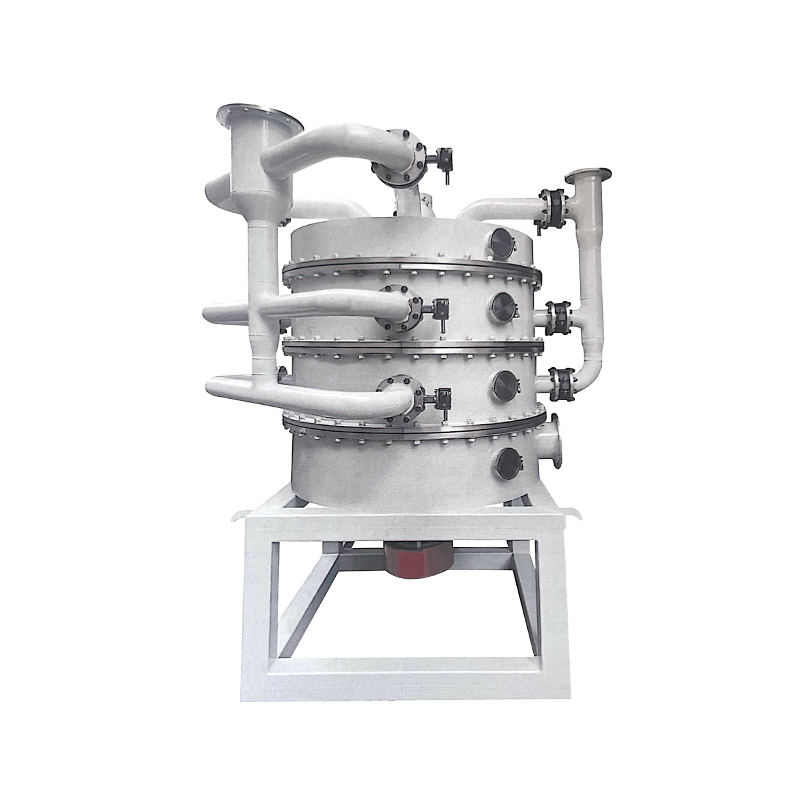

Extraction Unit Applications Across Pharmaceutical, Food Industrial Sectors: Overview
 2026.06.12
In modern industrial production environments, separation and purification processes are essential for obtaining stable and usable product streams. Within this framework, the Extraction Unit and Distillation Unit are widely applied systems that support different stages of material refinement. These two technologies often appear in complementary roles depending on the complexity of the raw materials and the desired output characteristics.
An Extraction Unit is primarily used for the selective transfer of compounds between phases using solvent-based interactions. A Distillation Unit is generally applied for separating components based on differences in volatility through controlled heating and condensation cycles. While both systems are based on different physical principles, they are frequently incorporated into integrated industrial workflows.
Role of Extraction Unit in Pharmaceutical Processing
In pharmaceutical-related production environments, Extraction Unit systems are commonly used for isolating active compounds from raw materials. These raw materials may originate from plant sources, fermentation broths, or chemically synthesized intermediates.
The extraction process allows targeted compounds to be separated based on solubility differences between the feed material and the chosen solvent. This makes it suitable for isolating sensitive components that may not tolerate high-temperature processing conditions.
Within pharmaceutical workflows, extraction is often used as an initial separation step before further refinement. After extraction, a Distillation Unit may be applied to remove residual solvents or further purify intermediate compounds, ensuring that downstream processing can proceed under stable conditions.
The selection of solvent systems in pharmaceutical applications is influenced by compound stability, selectivity requirements, and downstream compatibility. Process conditions are carefully controlled to maintain the structural integrity of the target substances.
Application of Extraction Unit in Food Processing Systems
In food-related industrial environments, Extraction Unit systems are widely used for obtaining flavor compounds, aromatic substances, and bioactive ingredients from natural sources. These processes are typically designed to preserve the sensory and chemical characteristics of the extracted materials.
Common applications include the separation of essential oils, flavor concentrates, and naturally occurring functional compounds. The extraction process enables selective recovery without requiring high thermal exposure, which helps maintain the original characteristics of heat-sensitive components.
In some food processing workflows, a Distillation Unit is used after extraction to refine volatile fractions or recover solvents used during processing. This combination allows better control over product purity and consistency across batches.
Food industry extraction systems are often configured for batch or continuous operation depending on production scale and material variability.
Equipment Configuration in Industrial Environments
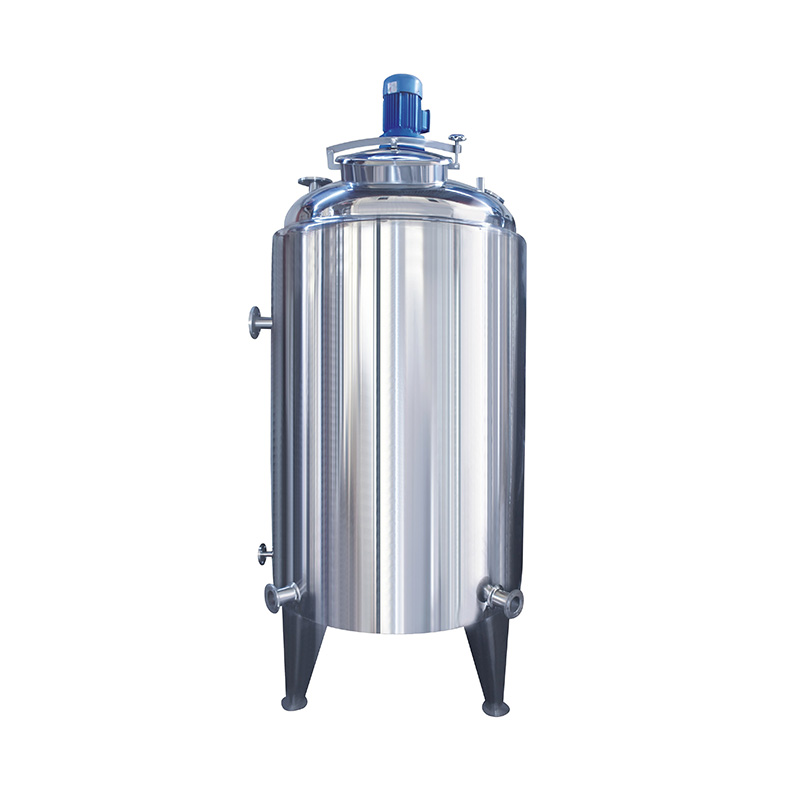
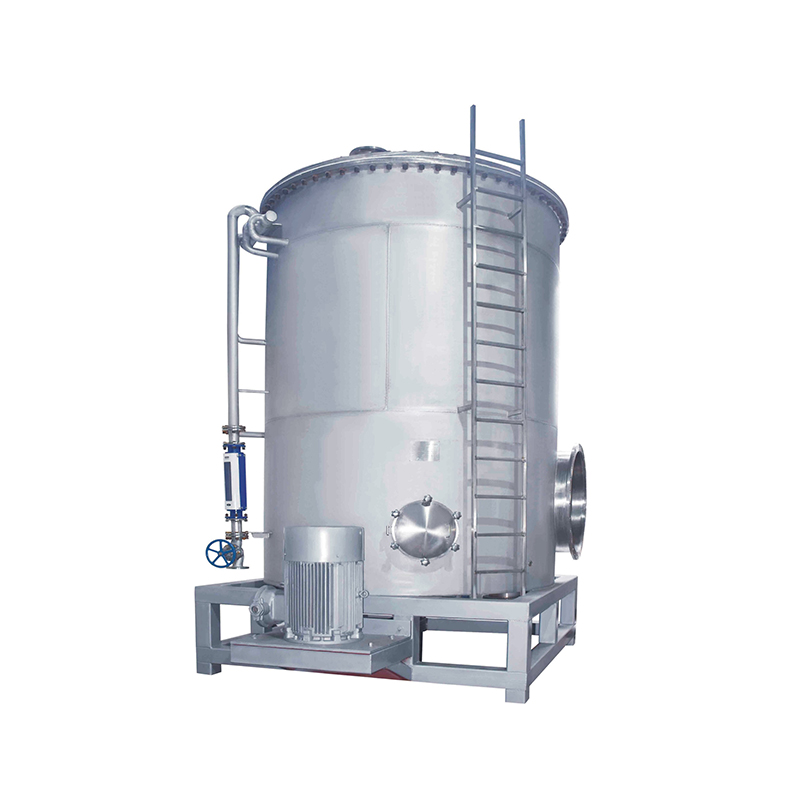
Extraction Unit systems used in the pharmaceutical and food industries may be designed in several configurations. These include batch-operated vessels, continuous flow columns, and mechanically assisted separation systems.
Batch systems are often used in processes where flexibility is required for different formulations. Continuous systems are used in more stable production environments where consistent feed composition is available. Mechanical assistance, such as centrifugal force, may be introduced to improve phase separation efficiency when required.
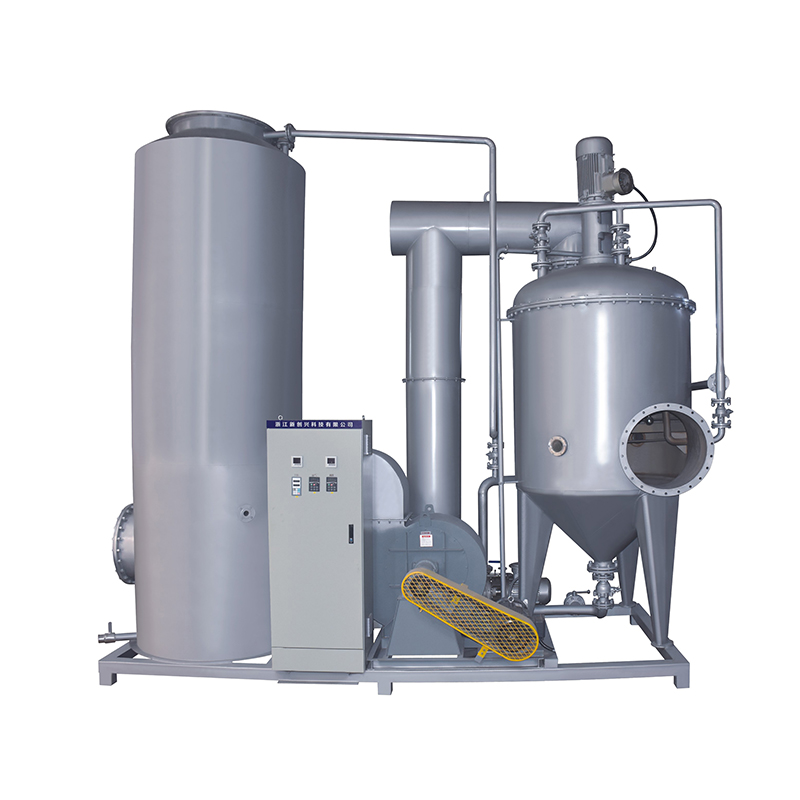
Distillation Unit systems used in these industries may also vary in structure, including simple distillation setups, fractional columns, and vacuum-assisted systems. The selection depends on volatility differences, thermal sensitivity, and solvent recovery needs.
Process Integration Between Extraction and Distillation
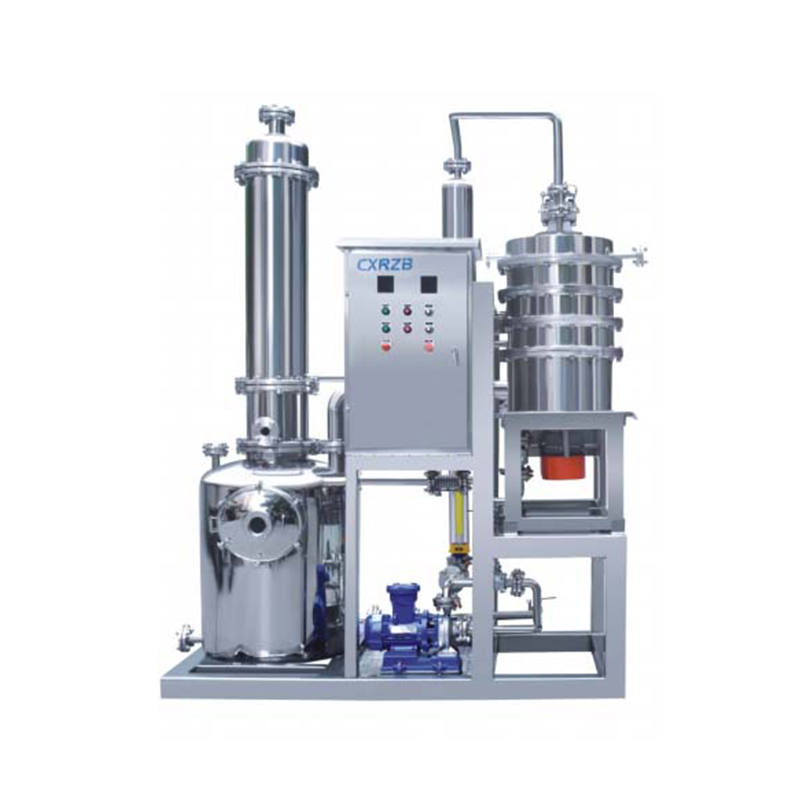
In many industrial applications, the Extraction Unit and Distillation Unit are not used independently but are integrated into multi-stage process chains. Extraction is typically used for initial selective separation, while distillation is applied for further purification or solvent recovery.
For example, after compounds are extracted into a solvent phase, distillation may be used to separate the solvent from the target compound. This allows the solvent to be reused in the system while isolating the desired material in a more refined form.
This integrated approach supports flexible process design and allows adaptation to different raw material sources and production requirements.
Operational Considerations in Application Scenarios
Several factors influence the performance of extraction systems in the pharmaceutical and food industries. Solvent compatibility, phase separation behavior, and contact efficiency are key considerations in system design.
Temperature control also plays an important role, particularly when processing thermally sensitive compounds. In food applications, maintaining flavor integrity is often a key requirement, while in pharmaceutical applications, maintaining molecular stability is critical.
When Distillation Unit systems are used in combination with extraction processes, thermal load management and pressure conditions must be aligned with upstream process characteristics.
Industrial Significance of Combined Systems
The combined use of Extraction Unit and Distillation Unit systems supports a wide range of separation tasks across pharmaceutical and food production environments. This integration allows multi-property separation strategies, where both solubility-based and volatility-based mechanisms are utilized.
Such configurations are particularly useful when raw materials contain complex mixtures of compounds that require staged separation. By distributing separation tasks across different systems, process control becomes more adaptable and easier to manage.
The flexibility of this approach supports a broad range of applications, from natural product processing to intermediate chemical refinement.

Quick Links
Product Center
Contact Details
-
 +86-577-86997010
-
 +86-577-86997020
-
 [email protected]
-
[email protected]
-
 No. 155, Jifeng Road, High-tech Zone, Longwan District, Wenzhou, Zhejiang Province, China
SHARE


CONTACT US NOW
Copyright ©Zhejiang Xinchuangxing Technology Co.,Ltd. All Rights Reserved.
 Privacy Policy
Supergravity Equipment Manufacturers