

 En
En
 русский
 Español
 عربى
عربى

Extraction Unit Design Trends for Efficient Process Recovery
 2026.09.04
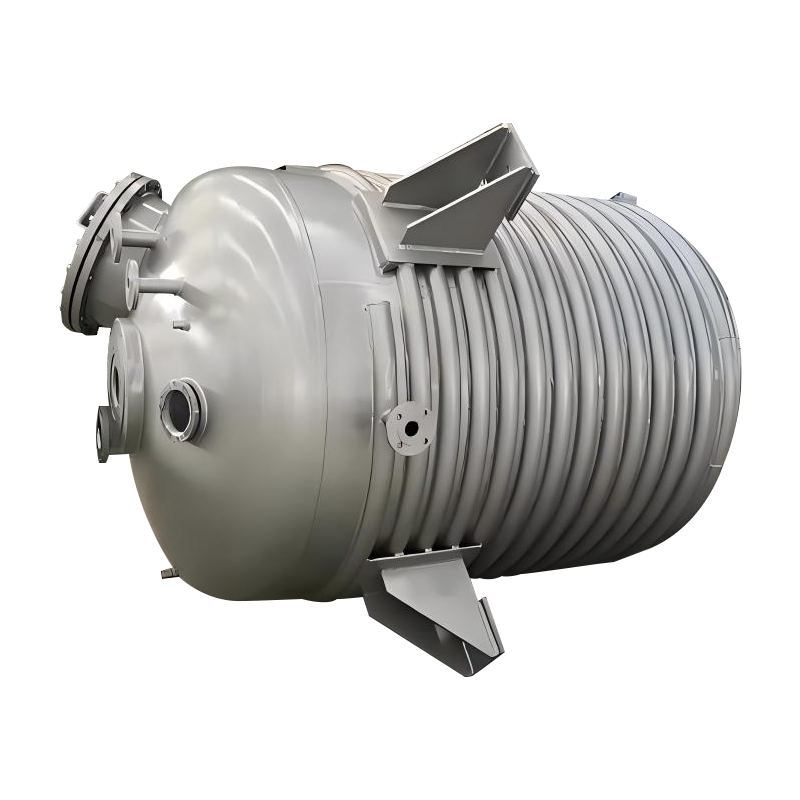
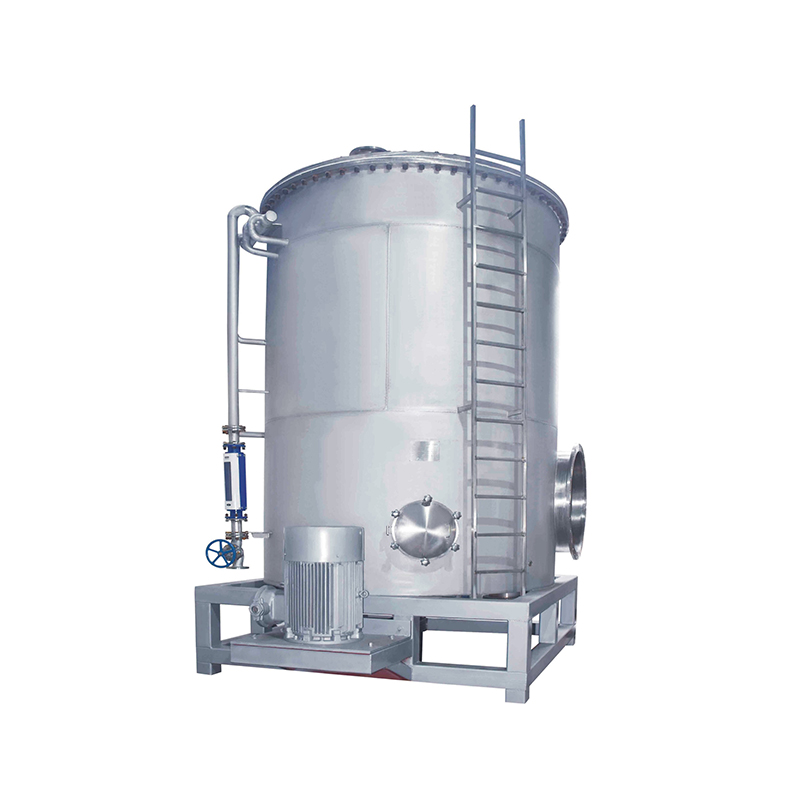
The role of an Extraction Unit is becoming increasingly connected with process efficiency, material recovery, solvent management, and production consistency. Across chemical, pharmaceutical, food, botanical, and specialty material processing, manufacturers are paying closer attention to how extraction equipment works as part of the complete production line rather than as an isolated machine. For engineers and industrial buyers, the focus is shifting toward controllable operation, easier maintenance, process compatibility, and practical integration with upstream and downstream equipment.
Process Compatibility Comes First
An extraction system must match the physical and chemical characteristics of the material being processed. Feed particle size, moisture content, solvent properties, extraction temperature, residence time, and solid-liquid ratio can all influence the final process.
From a manufacturer's perspective, equipment selection should therefore begin with process conditions rather than simply choosing a standard machine size. A suitable configuration can help maintain stable material flow while reducing unnecessary adjustments during production. For complex applications, pilot testing and process evaluation can also provide useful information before industrial-scale equipment is specified.
Solvent Management Gains Attention
Solvent consumption has become an important consideration in extraction-related production. When the process allows solvent recovery and reuse, the extraction section can become part of a broader resource-management strategy instead of operating as a one-way consumption stage.
Engineers are increasingly evaluating:
- Solvent recovery compatibility
- Separation efficiency
- Material and solvent losses
- Closed-loop process possibilities
- Compatibility with downstream purification
The design of the extraction system should account for these factors from the beginning. Recovery processes are effective when they are designed around the actual composition and operating conditions of the waste or process stream.
Temperature Control Supports Consistency
Temperature has a direct influence on many extraction processes. Excessive heating can affect sensitive compounds, while insufficient temperature may reduce extraction performance or extend processing time.
Modern extraction equipment therefore needs practical thermal management rather than simply higher heating capacity. Controlled heating, suitable insulation, temperature monitoring, and process feedback can help operators maintain repeatable conditions between production batches.
For pharmaceutical, botanical, and specialty chemical applications, this becomes particularly relevant when product quality depends on maintaining controlled extraction conditions.
Automation Reduces Operating Variation
Automation is another area receiving greater attention as manufacturers seek more repeatable production. Automated control can coordinate heating, mixing, extraction time, filtration, solvent transfer, and other process steps according to the equipment configuration.
This does not mean removing operators from the process. Instead, automation can provide operators with clearer process information and reduce unnecessary manual intervention. Automated extraction and filtration systems are already being used to improve reproducibility in analytical and industrial workflows.
Safety Must Be Built Into the System
Safety requirements become especially important when flammable or volatile solvents are involved. Equipment materials, sealing arrangements, pressure management, electrical components, ventilation, and process control should be evaluated according to the application and applicable local requirements.
For manufacturers, safety is not an accessory added after equipment design. It needs to be considered during system configuration so that the extraction process can operate within its intended conditions. Explosion-protected configurations are available for certain solvent-handling applications, depending on project requirements.
Maintenance Influences Long-Term Operation
A well-designed extraction system should also be practical to clean, inspect, and maintain. Residue accumulation, filter blockage, seal wear, and difficult-to-access components can create avoidable interruptions if they are not considered during equipment design.
Manufacturers should therefore pay attention to access points, replaceable components, cleaning procedures, drainage, and inspection requirements. These details may appear secondary during initial selection, but they can strongly influence the equipment's day-to-day usability after installation.
Integration Shapes the Next Generation
The future direction of extraction equipment is closely tied to system integration. An extraction process may need to connect with separation, concentration, filtration, drying, solvent recovery, or purification stages. Designing these sections together can improve material transfer and simplify process control.
As manufacturers, we approach an Extraction Unit as part of the customer's complete process rather than an independent vessel. By evaluating material characteristics, solvent selection, operating temperature, automation requirements, safety conditions, and downstream connections together, equipment configuration can be developed around real production needs. This application-focused approach helps industrial users build extraction systems that are easier to operate, maintain, and integrate into evolving manufacturing processes.

Quick Links
Product Center
Contact Details
-
 +86-577-86997010
-
 +86-577-86997020
-
 [email protected]
-
[email protected]
-
 No. 155, Jifeng Road, High-tech Zone, Longwan District, Wenzhou, Zhejiang Province, China
SHARE


CONTACT US NOW
Copyright ©Zhejiang Xinchuangxing Technology Co.,Ltd. All Rights Reserved.
 Privacy Policy
Supergravity Equipment Manufacturers