

 En
En
 русский
 Español
 عربى
عربى

Simple Ways CIP Units Save Money
 2026.08.24
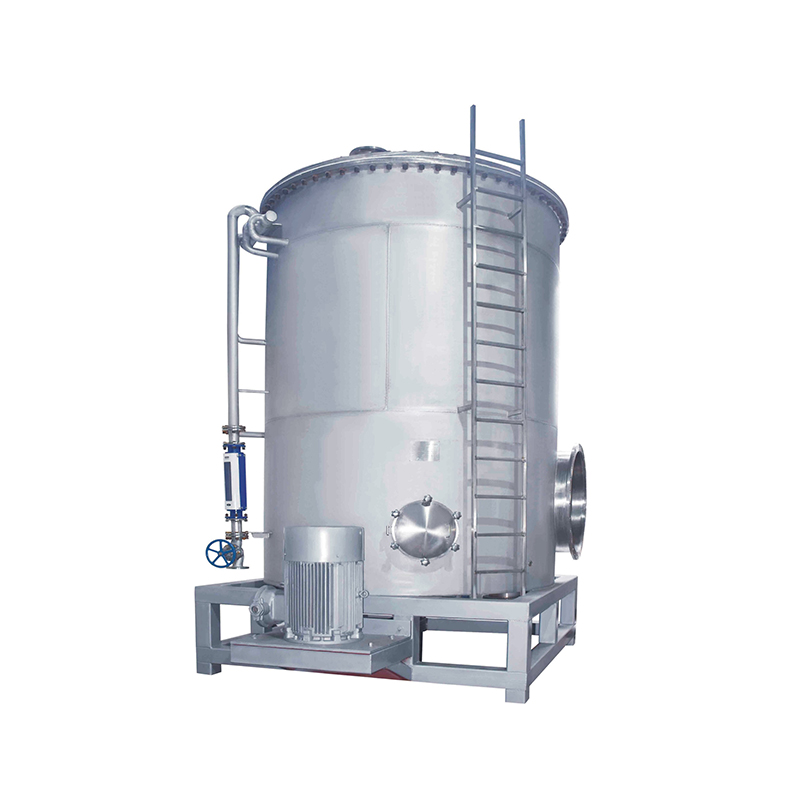
Not every plant manager needs a deep technical breakdown to understand why cleaning equipment matters. Sometimes the simplest question wins the day: is this CIP Cleaning Unit actually saving us money and keeping us out of trouble, or is it just another line item? Overseas buyers browsing suppliers this year are asking more down-to-earth questions than in years past, and that's worth paying attention to.
Less Water Down the Drain
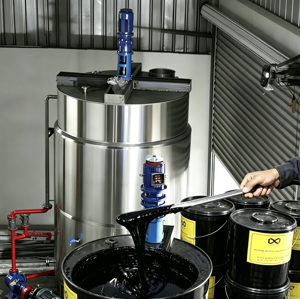
Nobody wants to pay for water that just gets rinsed away and forgotten. Buyers are asking suppliers straightforward questions like "can this system reuse rinse water for the next cycle" instead of getting lost in flow-rate charts. A unit that recycles part of its rinse water means a smaller water bill every month, and that's something a plant owner notices without needing an engineering degree to explain it.
Fewer Surprises During Inspections
Food safety inspectors don't care how impressive a machine looks — they want proof it actually cleaned what it was supposed to clean. Plants that keep getting flagged during audits are often the ones still relying on paper logs and guesswork. A cleaning unit that automatically records what happened during each cycle gives a plant something solid to hand over when an inspector asks for proof, instead of scrambling to reconstruct what happened last Tuesday.
Cleaning That Doesn't Eat the Whole Shift
Every hour spent cleaning is an hour not spent producing. That's the plain math behind why so many buyers are asking how long a full cycle actually takes, start to finish, rather than just asking about tank size. A shorter, well-designed cleaning cycle means more product moving through the line each day without cutting corners on hygiene.
Questions Plant Owners Actually Ask
Buyers evaluating suppliers tend to keep things practical rather than technical:
- Will this fit in the space we already have, or do we need to rebuild the room?
- How much training does our staff really need to run it properly?
- What breaks first, and how easy is it to fix?
- Will someone actually pick up the phone if something goes wrong?
These are the kinds of questions that decide a purchase far more often than a spec sheet does.
Equipment That Doesn't Need Babysitting
Plants running smaller teams or tighter shifts want something that doesn't demand constant attention. A cleaning unit that runs its cycle reliably without an operator standing over it the whole time frees up staff for other jobs. Buyers are less interested in fancy features and more interested in "will this just work, day after day, without drama?"
Saving on Chemicals Without Overthinking It
Detergent and acid aren't cheap, and plants don't want to pay for more than they need every single cycle. Instead of asking about dosing algorithms, buyers simply want to know: does this unit waste chemicals, or does it use roughly what's needed and no more? A unit that keeps chemical use sensible pays for itself quietly over time, cycle after cycle.
Support That's There When You Need It
Buying equipment from overseas can feel risky if something breaks and nobody answers the phone. Plant owners increasingly ask suppliers directly: if this unit has a problem next year, who fixes it, and how fast? A manufacturer who gives a clear, honest answer to that question tends to earn trust faster than one who only talks about the machine itself.
For buyers, choosing a CIP Cleaning Unit really comes down to a few plain concerns — will it save water and chemicals, will it keep the plant out of trouble during inspections, and will someone be there to help if something goes wrong? Suppliers who can answer those questions honestly, in plain language, are usually the ones that win the order.

Quick Links
Product Center
Contact Details
-
 +86-577-86997010
-
 +86-577-86997020
-
 [email protected]
-
[email protected]
-
 No. 155, Jifeng Road, High-tech Zone, Longwan District, Wenzhou, Zhejiang Province, China
SHARE


CONTACT US NOW
Copyright ©Zhejiang Xinchuangxing Technology Co.,Ltd. All Rights Reserved.
 Privacy Policy
Supergravity Equipment Manufacturers