

 En
 русский
 Español
 عربى
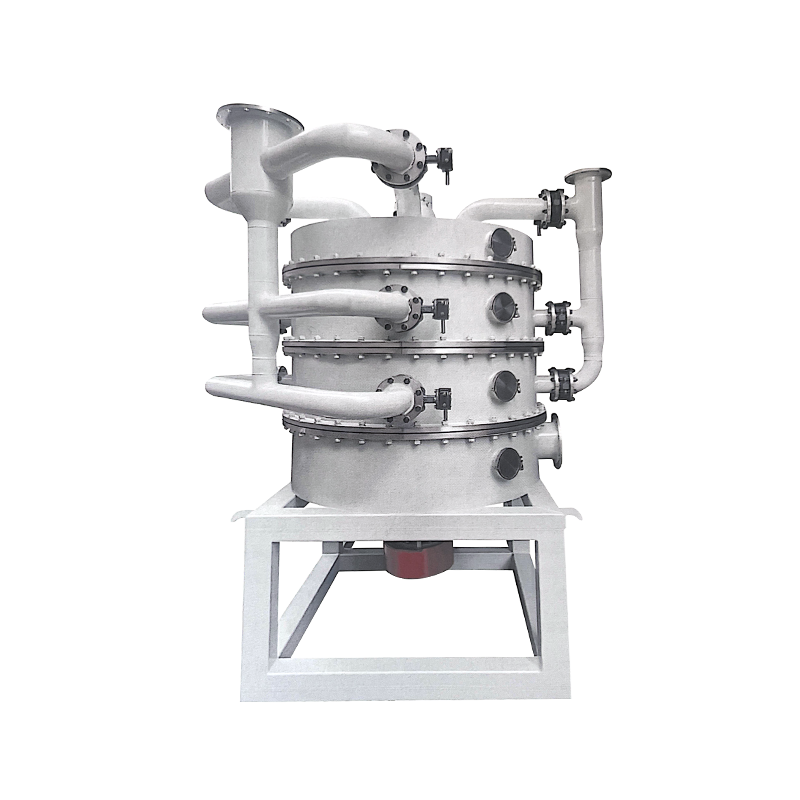

How Feed Preheating Helps Improve Industrial Evaporator Efficiency
 2026.11.23
In many factories, evaporation equipment operates for several hours a day, processing liquids that need to reach a specific concentration before the next production stage. However, incoming materials are not always at a suitable temperature. Feeding cold liquid directly into the heating chamber can increase the time and energy required for evaporation. For manufacturers looking to improve production efficiency, feed preheating is a practical process detail worth considering when selecting an Evaporator.
Why Feed Temperature Matters During Evaporation
An evaporation system needs to supply enough heat to raise the liquid temperature and convert part of its water content into vapor. When the feed temperature is low, additional energy is required before effective evaporation can begin.
This is particularly relevant in food processing, chemical manufacturing, and wastewater treatment, where large volumes of liquid may enter the system at different temperatures.
Preheating the feed before it enters the main evaporation unit can reduce the heating load and help maintain more stable operating conditions. The actual benefit depends on the feed composition, temperature difference, and available heat sources.
Using Heat Exchangers to Prepare Incoming Materials
A heat exchanger is commonly used to transfer heat from one fluid to another without directly mixing them. In an evaporation production line, it can raise the temperature of incoming liquid before the material enters the evaporation chamber.
Depending on the process design, heat may come from recovered vapor, hot condensate, or another available heating source.
When selecting a heat exchanger, buyers should consider:
- Feed viscosity and flow characteristics.
- Operating temperature and pressure.
- Material compatibility.
- Cleaning and maintenance requirements.
These details help ensure that the preheating system works with the actual production process.
Recovering Heat From Vapor and Condensate
During evaporation, vapor and condensate may still contain usable thermal energy. Instead of allowing this energy to go unused, factories can evaluate whether it can support feed preheating or other heating requirements.
For example, a properly designed heat recovery arrangement can transfer energy from a suitable hot stream to incoming feed liquid. This may reduce the demand for additional steam.
However, not every production line has the same recovery opportunities. Engineers need to evaluate temperature differences, flow rates, and process connections before determining a suitable configuration.
Preventing Unstable Feeding Conditions
Feed temperature is not the only factor affecting evaporation performance. Changes in liquid flow rate can also influence system pressure, temperature, and final concentration.
If incoming material is supplied irregularly, operators may experience fluctuations in production output. Automated feeding pumps, temperature sensors, and liquid-level controls can help maintain more consistent operating conditions.
For factories processing different materials, adjustable feed rates are also useful when switching between production batches.
Maintenance Should Be Part of the Preheating Design
Preheating equipment also requires regular inspection. Some liquids contain minerals, suspended particles, or sticky substances that may accumulate inside heat exchanger channels.
If deposits become excessive, heat transfer efficiency can decline and cleaning may interrupt production.
We recommend discussing cleaning access, filtration requirements, and maintenance arrangements during the equipment design stage. For applications involving materials with high fouling potential, the heat exchanger structure should be selected with these operating conditions in mind.
Integrating Preheating With Different Evaporation Systems
Feed preheating can be applied to different industrial evaporation configurations, including falling film, forced circulation, and multiple-effect systems. The specific arrangement depends on the material being processed and the available heat sources.
For MVR systems, engineers can also evaluate how compressed vapor can support heating within the overall process. A complete system assessment helps avoid unnecessary energy consumption caused by poorly coordinated equipment.
Discuss Your Process Before Selecting an Evaporator
Improving evaporation efficiency does not always require replacing the entire production line. Sometimes, better feed temperature management and heat recovery can make a meaningful difference to daily operations. As an Evaporator manufacturer, we evaluate feed characteristics, heating requirements, production capacity, and maintenance conditions when discussing equipment configurations with buyers. Understanding these details helps factories select an evaporation system that fits their actual processing needs and long-term production plans.

Quick Links
Product Center
Contact Details
-
 +86-577-86997010
-
 +86-577-86997020
-
 [email protected]
-
[email protected]
-
 No. 155, Jifeng Road, High-tech Zone, Longwan District, Wenzhou, Zhejiang Province, China
SHARE


CONTACT US NOW
Copyright ©Zhejiang Xinchuangxing Technology Co.,Ltd. All Rights Reserved.
 Privacy Policy
Supergravity Equipment Manufacturers