

 En
En
 русский
 Español
 عربى
عربى

How to Prevent Phase Separation in Emulsification Tanks
 2026.05.15
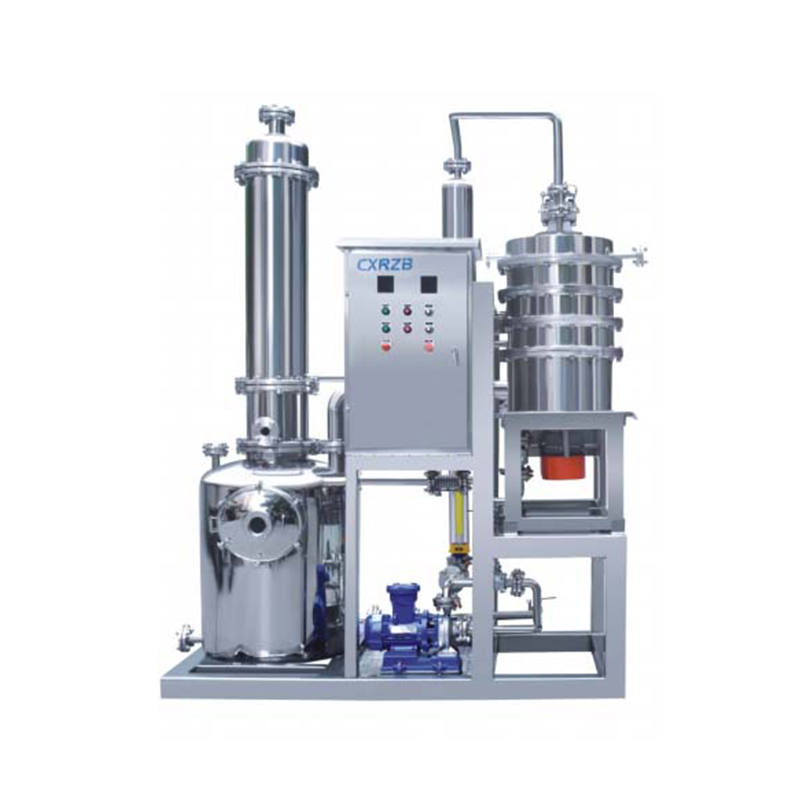
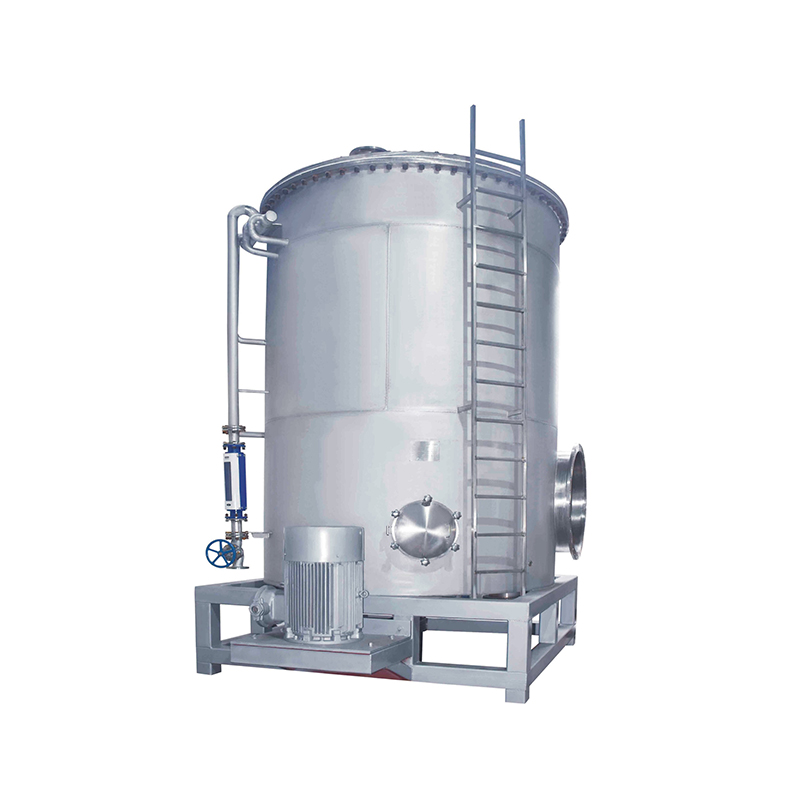
Phase separation in emulsification tanks is a persistent challenge for manufacturers dealing with creams, sauces, lotions, and other multiphase liquids. A poorly mixed product can compromise both quality and shelf life, causing customer complaints and production losses. Our company has extensive experience in designing and supplying high-performance Mixing Tank solutions tailored to reduce phase separation risks, while maintaining consistent homogeneity across the batch. Incorporating advanced technology in a Sanitary Emulsification Tank further improves stability, especially for products sensitive to shear or temperature fluctuations.
Optimize Agitation Speed and Impeller Design
A common reason for phase separation is inadequate agitation. Traditional mixing blades may leave pockets of unmixed material near the tank walls or bottom. Modern emulsification tanks use multi-stage impellers designed to provide both axial and radial flow. This ensures ingredients are continuously circulated and prevents heavier or lighter components from settling.
Recommended practices include:
- Adjusting impeller speed according to the viscosity of the product. Low-viscosity liquids benefit from higher RPMs, whereas high-viscosity emulsions require slower, more controlled mixing.
- Using variable-speed drives to allow gradual ramp-up, which reduces air entrapment and foam formation.
- Incorporating high-shear zones within the tank for products requiring fine particle dispersion.
Our company’s Sanitary Emulsification Tanks are designed with removable, CIP-compliant impellers that can be adapted to various product viscosities and formulations.
Control Temperature Precisely
Temperature inconsistencies can cause fat or oil phases to separate from aqueous solutions. Uneven heating may create pockets where emulsifiers become ineffective.
Key strategies to prevent this include:
- Installing jacketed heating systems with circulation for uniform thermal distribution.
- Monitoring temperature in real time using multiple sensors placed at different heights.
- Using thermostatic controllers to maintain a narrow temperature range, typically within ±1°C for sensitive emulsions.
By maintaining a stable thermal environment, the emulsion maintains its intended viscosity and prevents the formation of oil layers or cream separation. Our company’s Mixing Tank solutions incorporate advanced temperature control systems optimized for both batch and continuous processes.
Use High-Quality Emulsifiers and Additives
The chemical composition of your ingredients plays a major role in phase stability. Selecting the correct emulsifier type and concentration is critical.
Considerations include:
- Hydrophilic-lipophilic balance (HLB) matching the oil-to-water ratio of your formulation.
- Using stabilizers such as gums or modified starches to increase viscosity and suspension.
- Pre-dissolving powders in water or oil phases to avoid clumping during mixing.
Sanitary Emulsification Tanks from our company are compatible with inline dosing systems that allow precise addition of emulsifiers, ensuring uniform distribution without introducing air or contaminants.
Maintain Proper Tank Geometry and Baffle Placement
Tank design significantly impacts circulation and shear patterns. Tanks with conical bottoms, strategically placed baffles, and rounded corners enhance mixing efficiency.
Best practices include:
- Ensuring baffles break up vortex formation and direct flow towards the impeller.
- Sizing the tank height-to-diameter ratio to optimize recirculation.
- Incorporating inspection ports to monitor mixing visually without opening the tank frequently.
Our company designs Sanitary Emulsification Tanks with optimized baffle layouts and CAD-verified fluid dynamics, reducing stagnant zones that cause phase separation.
Implement Controlled Hold and Rest Periods
Some emulsions require resting periods after high-shear mixing to allow air bubbles to escape and particles to stabilize. Too long a hold or agitation can cause creaming or sedimentation.
Recommendations:
- Use gentle agitation or recirculation pumps during hold periods to maintain uniform suspension.
- Monitor viscosity changes using inline rheometers or sampling ports.
- Design tank automation to minimize manual intervention and prevent contamination.
Our company offers Mixing Tank systems with programmable logic controls (PLC) for precise timing of agitation and holding cycles, ensuring consistent product quality.
Sanitation and Maintenance
Contamination or residue buildup can affect emulsification efficiency, causing localized phase separation. Sanitary design features are crucial.
Essential practices include:
- Using CIP (clean-in-place) and SIP (sterilize-in-place) systems to maintain hygiene without dismantling equipment.
- Regular inspection of seals, impellers, and tank surfaces for wear or residue.
- Avoid sharp corners where material can accumulate.
Our company’s Sanitary Emulsification Tanks feature polished stainless steel surfaces, removable impellers, and CIP-friendly piping, ensuring both operational efficiency and compliance with hygiene standards.

Quick Links
Product Center
Contact Details
-
 +86-577-86997010
-
 +86-577-86997020
-
 [email protected]
-
[email protected]
-
 No. 155, Jifeng Road, High-tech Zone, Longwan District, Wenzhou, Zhejiang Province, China
SHARE


CONTACT US NOW
Copyright ©Zhejiang Xinchuangxing Technology Co.,Ltd. All Rights Reserved.
 Privacy Policy
Supergravity Equipment Manufacturers