

 En
En
 русский
 Español
 عربى
عربى

Why Does Your Mixing Tank Fail at Low Fill Levels
 2026.05.08
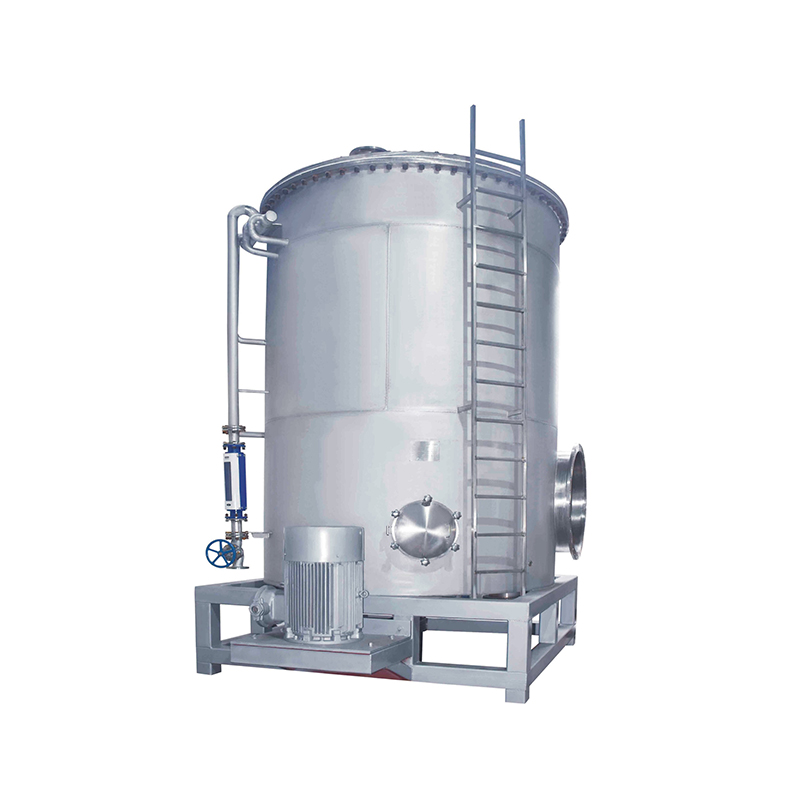
Efficient mixing is critical in food, pharmaceutical, and chemical production, yet many operators face performance issues when using a Mixing Tank at low fill levels. Our company has observed that even modern Sanitary Emulsification Tanks may struggle to achieve proper blending when the liquid volume is insufficient. Understanding why these tanks fail under low fill conditions is key to maintaining product consistency and avoiding costly downtime.
Low fill operation introduces unique challenges that affect the hydrodynamics inside a mixing vessel. The impeller or rotor, designed to work optimally at a certain fluid height, may no longer generate the desired flow patterns. This leads to vortex formation, dead zones, or uneven shear forces, reducing mixing efficiency. Our company often recommends paying attention to impeller placement and tank geometry to mitigate these issues.
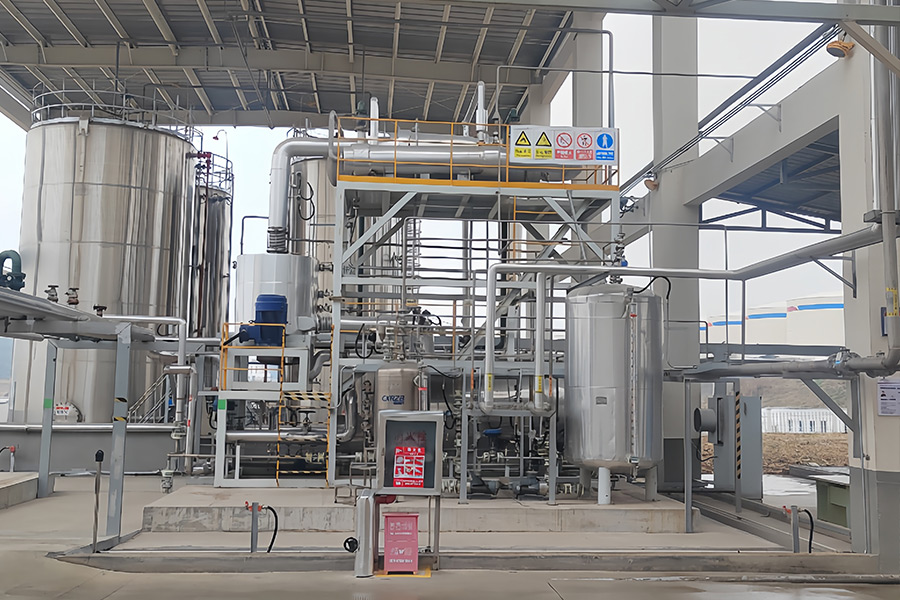
Impeller Design and Flow Patterns
The impeller type is crucial for low-volume mixing. Standard turbines or propellers in a Mixing Tank are engineered for medium to high fill levels. At lower volumes, the blades may fail to engage the entire liquid mass, creating a core region of stagnant fluid. Key solutions include:
- Using adjustable or multiple impellers to maintain proper circulation.
- Installing low-volume specialist impellers that operate efficiently with reduced liquid levels.
- Considering high-shear rotors in Sanitary Emulsification Tanks for emulsions that require intensive mixing at small batch sizes.
Our company has retrofitted several production lines with variable-speed impellers, allowing precise control over flow rates without compromising emulsification quality.
Air Entrainment and Vortex Effects
Low fill levels increase the risk of air being drawn into the mix. Vortex formation can expose the impeller to air pockets, causing inconsistent mixing, foaming, or even damage to sensitive emulsions. Solutions include:
- Installing baffles or anti-vortex inserts in the Mixing Tank.
- Positioning the rotor closer to the tank bottom to maintain fluid contact.
- Using Sanitary Emulsification Tanks with a self-leveling rotor system to compensate for lower liquid heights.
Proper mechanical design minimizes turbulence and air entrapment, ensuring a uniform product even at smaller batch volumes.
Heating and Cooling Efficiency
Many production processes require precise temperature control. In low fill conditions, the ratio of surface area to volume increases, which can affect heat transfer efficiency. For Sanitary Emulsification Tanks used in temperature-sensitive processes, inadequate heating or cooling can compromise product stability. Recommended practices include:
- Utilizing jackets with optimized surface area for small volumes.
- Monitoring temperature with high-precision sensors placed close to the impeller.
- Adjusting mixing speed to prevent local overheating or cooling spots.
Our company provides tanks with integrated temperature controls that maintain uniform thermal conditions, regardless of fill level.
Sensor and Automation Limitations
Many mixing systems rely on sensors calibrated for typical operating volumes. At low fill levels, standard conductivity, pH, or viscosity probes may provide inaccurate readings. This can trigger false alarms or inadequate process control. Solutions include:
- Installing probes adjustable in height to reach the fluid surface.
- Calibrating automation systems for low-volume operation.
- Incorporating smart control systems in Sanitary Emulsification Tanks to adapt mixing parameters dynamically.
Our company has successfully implemented these adjustments in production facilities, ensuring consistent emulsification even with reduced batch sizes.
Tank Geometry and Scale Effects
The shape of the Mixing Tank influences how low-volume fluids interact with the impeller. Tall, narrow tanks may experience poor vertical circulation, while wide, shallow tanks may cause uneven shear forces. Design considerations include:
- Sloped tank bottoms to ensure complete product evacuation.
- Rounded corners to avoid dead zones where unmixed material can accumulate.
- Adjustable baffle placement to enhance flow uniformity.
Sanitary Emulsification Tanks with a modular design can be adapted to different production scales, maintaining high-quality mixing performance across varying fill levels.
Maintenance and Operational Practices
Low fill failures are sometimes exacerbated by neglected maintenance or improper operation. Residue buildup, worn impellers, or misaligned baffles can worsen mixing inefficiency. Best practices include:
- Regular inspection of impeller alignment and rotor clearance.
- Cleaning protocols that maintain sanitary standards without leaving residue that disrupts flow.
- Adjust the mixing speed and duration according to batch volume.
Our company emphasizes operator training and preventive maintenance to ensure tanks deliver consistent performance at all fill levels.

Quick Links
Product Center
Contact Details
-
 +86-577-86997010
-
 +86-577-86997020
-
 [email protected]
-
[email protected]
-
 No. 155, Jifeng Road, High-tech Zone, Longwan District, Wenzhou, Zhejiang Province, China
SHARE


CONTACT US NOW
Copyright ©Zhejiang Xinchuangxing Technology Co.,Ltd. All Rights Reserved.
 Privacy Policy
Supergravity Equipment Manufacturers