

 En
En
 русский
 Español
 عربى
عربى

Why Buyers Now Demand Smarter CIP Cleaning
 2026.08.07
Food, beverage, and pharmaceutical processors across Europe, North America, and Southeast Asia are rethinking how they specify cleaning infrastructure. As hygiene regulations tighten and production lines run leaner, procurement teams are no longer asking "does this system clean the tank" — they're asking whether a CIP Cleaning Unit can prove it, log it, and repeat it without wasting water or chemicals. That shift in expectation is reshaping what buyers search for, and what manufacturers need to deliver.
From Fixed Cycles to Verified Results
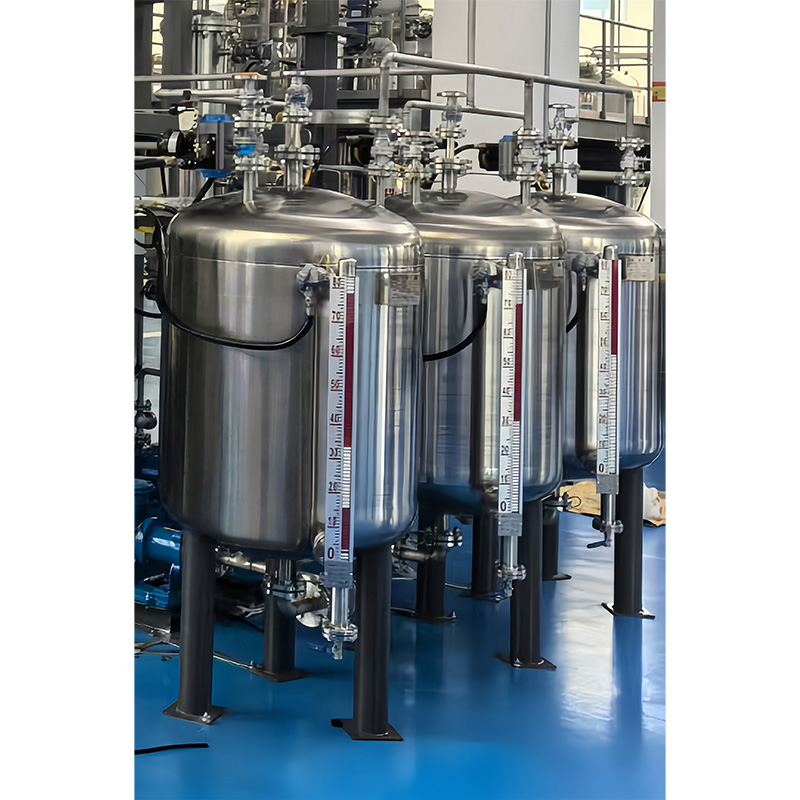
For decades, cleaning-in-place ran on fixed timers: rinse for X minutes, circulate detergent for Y minutes, done. Auditors accepted it because there was no better option. That's changing fast. Plants now want cycles that respond to actual soil load rather than the clock, using inline sensors to track conductivity, turbidity, and rinse-water quality in real time. Engineers researching this topic are typically comparing suppliers on one question: can the system tell you it's clean, or does it just assume so?
Water and Chemical Costs Are a Procurement Metric
Utility and detergent spend has become a line item that plant managers scrutinize closely. A well-tuned CIP Cleaning Unit recovers final rinse water for reuse in the next pre-rinse stage and adjusts dosing based on load rather than a worst-case default. Buyers comparing quotes increasingly ask suppliers to walk through cycle-by-cycle water and chemical usage, not just headline equipment specs.
Traceability Is No Longer Optional
Regulatory frameworks in the EU and equivalent hygiene codes elsewhere require documented proof that food-contact surfaces meet defined cleanliness standards — not just a completed cycle, but a recorded one. This is pushing demand toward units that integrate with plant-level MES or SCADA systems, generating digital records auditors and customers can pull on demand. For export-focused buyers, this traceability requirement is often the deciding factor between two otherwise similar systems.
Compact Design for Retrofits, Not Just New Builds
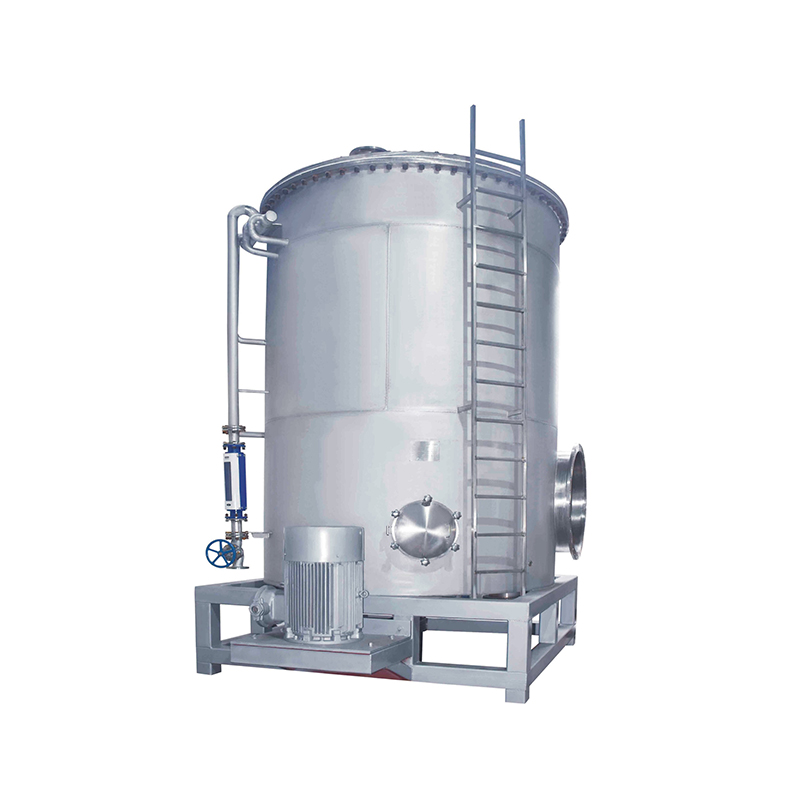
Not every buyer is building a greenfield plant. A large share of current inquiries come from facilities retrofitting existing lines — breweries, dairy processors, and contract manufacturers who need a unit that fits into a constrained footprint without a full rebuild. Modular skid-mounted designs, single- or multi-tank configurations, and flexible piping layouts are consistently among the many searched specifications, because they let a plant upgrade hygiene performance without a full production shutdown.
Common Questions From Engineers
Procurement and engineering teams tend to circle back to a short list of practical concerns before shortlisting a supplier:
- How does the unit handle mixed product lines with different allergen or soil profiles?
- What's the realistic changeover time between cleaning cycles on a multi-tank setup?
- Can dosing and temperature parameters be adjusted remotely, or only at the panel?
- What documentation ships with the unit for CE, FDA, or local hygiene certification?
Suppliers who answer these clearly, with technical drawings and cycle data rather than marketing language, tend to move faster through a buyer's evaluation process.
Automation Without Losing Operator Control
There's a balance manufacturers are working hard to get right: automating routine cycles while still giving plant operators manual override for non-standard runs. Overseas buyers, particularly in markets where labor and utility costs vary widely, want automation that reduces manual intervention on standard runs but doesn't lock them out of adjusting a cycle when a batch calls for it.
Sourcing Reliable Manufacturing Support
For overseas buyers, equipment performance is only half the decision — after-sales engineering support, spare-parts availability, and installation guidance matter just as much, especially when the unit is going into a facility thousands of miles from the factory floor.
As hygiene compliance, sustainability targets, and production uptime converge into a single procurement conversation, a CIP Cleaning Unit is increasingly evaluated as a system, not a standalone machine. Buyers who understand this shift — and work with manufacturers who can document performance rather than just promise it — are better positioned to meet both regulatory and operational demands in the years ahead.

Quick Links
Product Center
Contact Details
-
 +86-577-86997010
-
 +86-577-86997020
-
 [email protected]
-
[email protected]
-
 No. 155, Jifeng Road, High-tech Zone, Longwan District, Wenzhou, Zhejiang Province, China
SHARE


CONTACT US NOW
Copyright ©Zhejiang Xinchuangxing Technology Co.,Ltd. All Rights Reserved.
 Privacy Policy
Supergravity Equipment Manufacturers