

 En
En
 русский
 Español
 عربى
عربى

Picking the Right CIP Unit Matters
 2026.08.14
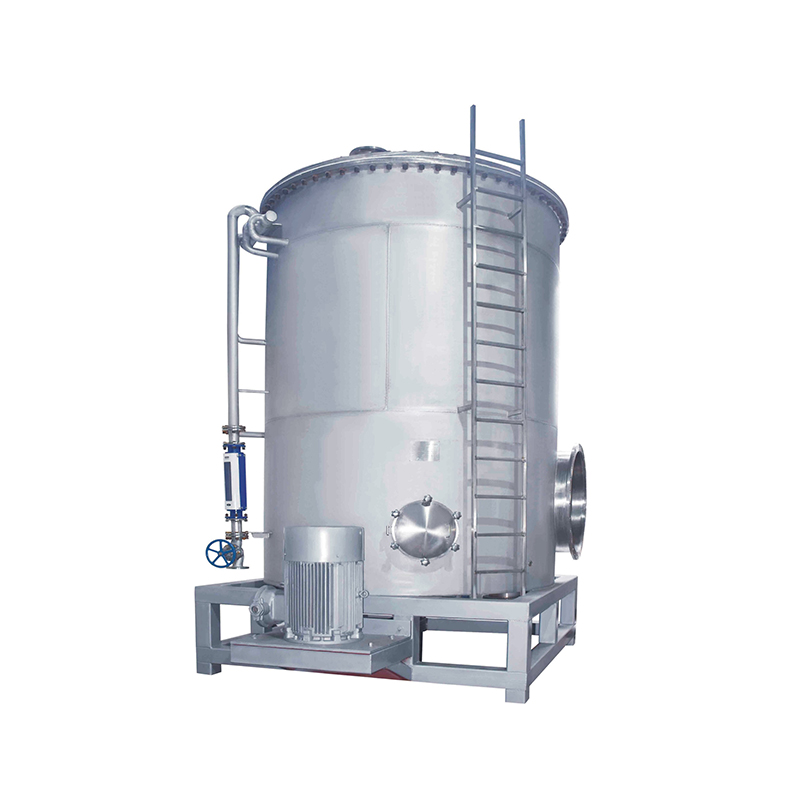
Choosing a CIP Cleaning Unit is rarely a simple equipment purchase — it's a decision that touches food safety compliance, production uptime, and long-term operating cost all at once. Overseas buyers evaluating suppliers this year are asking sharper questions than they used to, comparing not just tank capacity and flow rate, but how a system behaves across different product lines and shift patterns. As sourcing teams narrow their shortlist, a few themes keep surfacing across their search queries and RFQs.
Sizing the System to the Actual Line
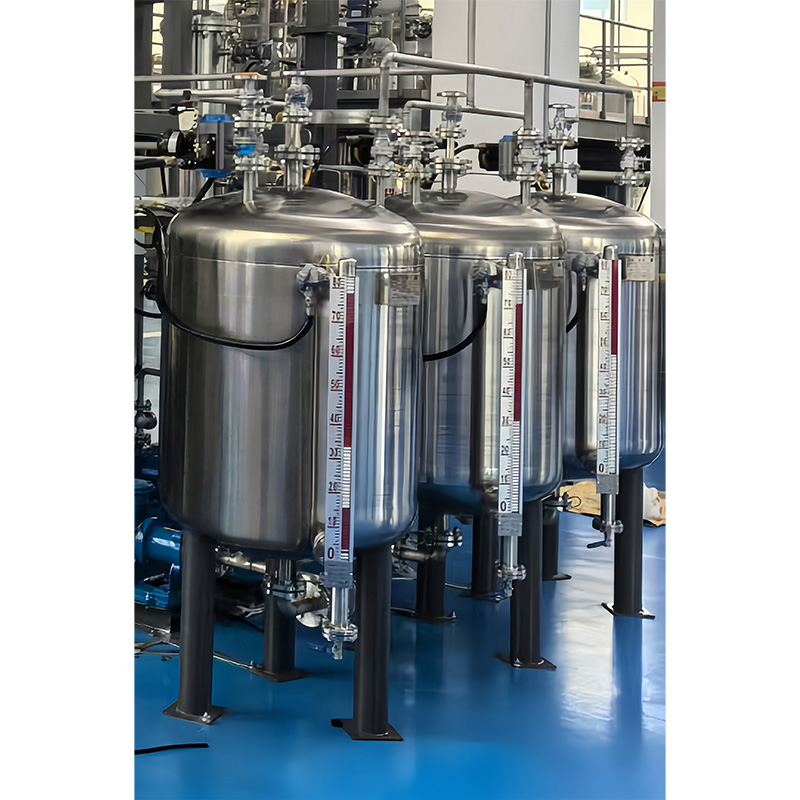
One common mistake buyers try to avoid is over- or under-specifying capacity. A unit sized for a single-product dairy line won't necessarily suit a beverage plant switching between three or four formulations a day. Engineers researching this now look closely at tank volume, pump flow rate, and circulation velocity relative to their pipe diameter and total soil load — not just the nameplate horsepower. Getting this match right up front avoids costly retrofits later and keeps cycle times realistic rather than optimistic.
Cross-Contamination Prevention Across Product Changeovers
Facilities running mixed production — allergen-containing products alongside allergen-free lines, for instance — need a cleaning regime that can be validated for each changeover, not just a generic wash. This has pushed interest toward units with programmable multi-recipe controls, where operators select a pre-set cycle matched to the specific product transition rather than relying on a single default program. Buyers in contract manufacturing and co-packing are especially focused on this capability, since their lines change over more frequently than a single-SKU plant.
Downtime Is the Hidden Cost Line
Cleaning cycles that run longer than necessary eat directly into production hours. Plant managers comparing suppliers increasingly request cycle-time breakdowns by stage — pre-rinse, caustic wash, intermediate rinse, acid wash, final rinse — so they can calculate real impact on daily output before committing to a supplier. A CIP Cleaning Unit that shaves meaningful time off changeover without compromising validated cleanliness standards tends to justify a higher upfront cost through recovered production hours.
Regional Compliance Differences Buyers Should Know
Hygiene standards aren't identical everywhere. EU food hygiene regulation places strong emphasis on documented cleaning verification, while other regions may weight equipment material certification or specific microbiological testing protocols differently. Buyers sourcing equipment for multi-country operations often need a unit that can be configured to satisfy more than one regulatory framework without a full redesign — something worth clarifying with a supplier before signing a purchase order rather than after installation.
Maintenance Access Shapes Long-Term Reliability
A few practical questions come up repeatedly during supplier evaluation calls:
- How accessible are pumps, valves, and sensors for routine servicing?
- What's the expected lifespan of wear components under continuous operation?
- Are spare parts standardized across the supplier's product range, or unit-specific?
- Can the control panel be serviced locally, or does it require factory technicians?
Manufacturers who can answer these directly, with maintenance schedules and part lists rather than vague reassurances, generally build more buyer confidence than those relying on brand reputation alone.
Energy Use During Heating and Circulation
Heating cleaning solution to the required temperature is often the single largest energy draw in a CIP cycle. Buyers focused on operating cost are asking about heat recovery from outgoing rinse water, insulated tank design, and whether circulation pumps are sized efficiently for the actual flow needed rather than oversized as a safety margin. These details rarely appear in a basic spec sheet, which is why direct conversation with the manufacturer's engineering team tends to surface the information that matters most.
Ultimately, the buyers moving fastest through evaluation are the ones treating a CIP Cleaning Unit purchase as a technical partnership rather than a one-time transaction — working with a manufacturer who can speak to sizing, compliance, and maintenance in equal depth, and who stands behind the equipment well past installation day.

Quick Links
Product Center
Contact Details
-
 +86-577-86997010
-
 +86-577-86997020
-
 [email protected]
-
[email protected]
-
 No. 155, Jifeng Road, High-tech Zone, Longwan District, Wenzhou, Zhejiang Province, China
SHARE


CONTACT US NOW
Copyright ©Zhejiang Xinchuangxing Technology Co.,Ltd. All Rights Reserved.
 Privacy Policy
Supergravity Equipment Manufacturers