

 En
En
 русский
 Español
 عربى
عربى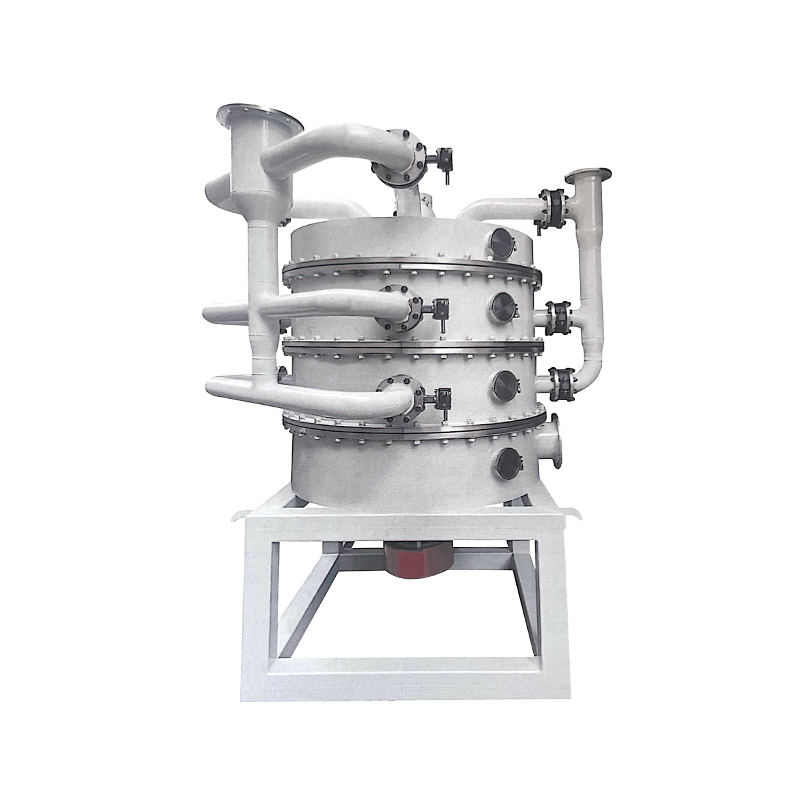

Why Evaporator Efficiency Drops for High-Salt Wastewater
 2025.12.12
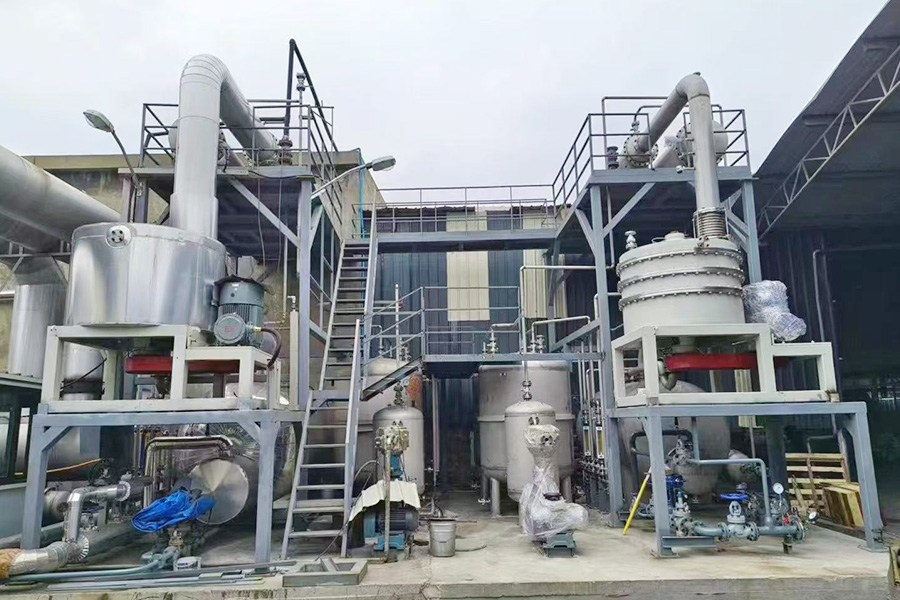
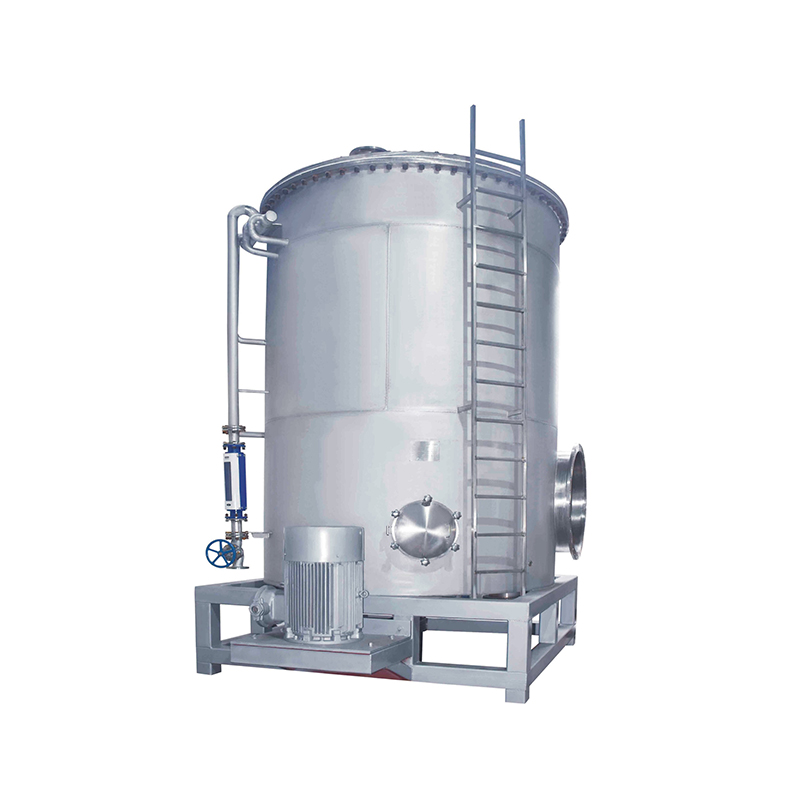
Evaporators are essential equipment in industrial wastewater treatment, particularly for concentrating high-salt streams and recovering water for reuse. However, in high-salt wastewater applications, many operators notice a significant drop in Evaporator efficiency over time. Understanding the reasons behind this decline is crucial for ensuring stable operation and maintaining energy efficiency. Zhejiang Xinchuangxing Technology Co., Ltd. has extensive experience in designing Evaporator systems capable of handling complex wastewater streams while minimizing efficiency losses.
In addition to Evaporators, Reactor performance can also be indirectly affected when feedwater characteristics change. High salt concentrations or uneven evaporation can alter the chemical composition of liquids entering Reactors, impacting reaction consistency, yield, and process safety.
Key Factors Reducing Evaporator Efficiency
High-salt wastewater presents unique challenges that can compromise evaporation performance. The following factors are particularly significant:
Scaling and Crystallization: Salts such as sodium chloride, calcium sulfate, and magnesium salts tend to precipitate as concentrations rise. This forms layers on heat exchange surfaces, lowering thermal conductivity and forcing higher energy input.
Viscosity Increase: As salts concentrate, wastewater viscosity rises, reducing heat transfer and flow efficiency. Evaporator channels may experience stagnation, further exacerbating scaling risks.
Foaming and Bumping: Certain salts and organic residues cause foaming during evaporation. This can result in uneven liquid levels, vapor entrainment, and reduced overall efficiency.
Corrosion: High ionic strength and aggressive salts can accelerate corrosion of metallic surfaces, resulting in rough surfaces where scaling is more likely to occur.
Operational Challenges
Temperature Control Issues: High-salt wastewater often requires careful temperature management to prevent salt precipitation inside the Evaporator.
Uneven Flow Distribution: Without proper design, localized hotspots may accelerate scaling, reducing overall efficiency.
Energy Consumption Rise: Evaporators covered with scale require significantly more energy to maintain target evaporation rates.
Maintenance Frequency: Increased fouling and corrosion necessitate more frequent cleaning, which adds to operational downtime.
Strategies to Improve Evaporator Performance
Zhejiang Xinchuangxing Technology Co., Ltd. implements multiple strategies to maintain high efficiency in high-salt wastewater Evaporators:
Material Optimization: Using corrosion-resistant and low-adhesion alloys reduces scaling and prolongs service life.
High-Gravity Technology Integration: Our proprietary high-gravity technology ensures that solids are less likely to settle on heat surfaces, maintaining consistent evaporation rates.
Pre-Treatment Solutions: Softening and partial salt removal before entering the Evaporator can reduce scaling potential and improve thermal efficiency.
Advanced Flow Design: Optimizing channel layout and flow velocity prevents stagnation zones and ensures uniform heat transfer across the system.
Reactor Considerations
Changes in the output from Evaporators can affect downstream Reactors, especially in chemical or industrial processing where precise concentrations are critical. By maintaining stable Evaporator efficiency, operators can prevent inconsistent feed composition, which in turn avoids reaction variability and enhances process control.
Evaporator efficiency drops in high-salt wastewater due to scaling, viscosity changes, foaming, and corrosion. These challenges can compromise energy efficiency, increase maintenance costs, and affect downstream Reactor performance. Zhejiang Xinchuangxing Technology Co., Ltd. offers Evaporator and Reactor systems designed to tackle these challenges with high-gravity technology, advanced materials, and optimized process design.
Industries handling high-salt wastewater can achieve consistent, energy-efficient, and environmentally friendly operation by employing integrated solutions that address both Evaporator and Reactor performance. Proper design and proactive maintenance are essential to maintaining high productivity and reducing operational costs.

Quick Links
Product Center
Contact Details
-
 +86-577-86997010
-
 +86-577-86997020
-
 [email protected]
-
[email protected]
-
 No. 155, Jifeng Road, High-tech Zone, Longwan District, Wenzhou, Zhejiang Province, China
SHARE


CONTACT US NOW
Copyright ©Zhejiang Xinchuangxing Technology Co.,Ltd. All Rights Reserved.
 Privacy Policy
Supergravity Equipment Manufacturers