

 En
En
 русский
 Español
 عربى
عربى

Why Stainless Steel Storage Tank Surface Finish Matter
 2026.02.26
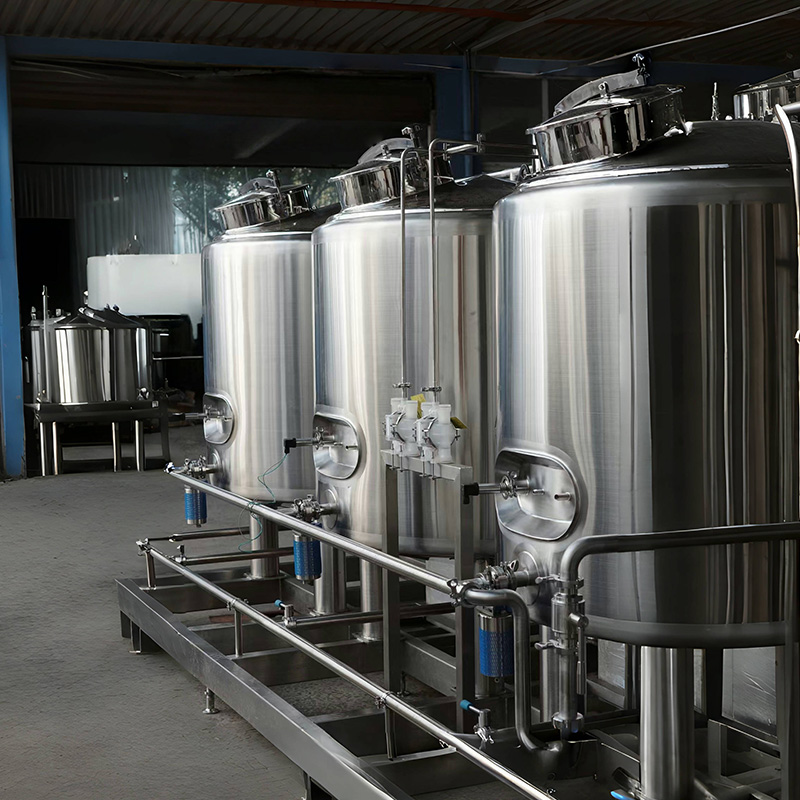
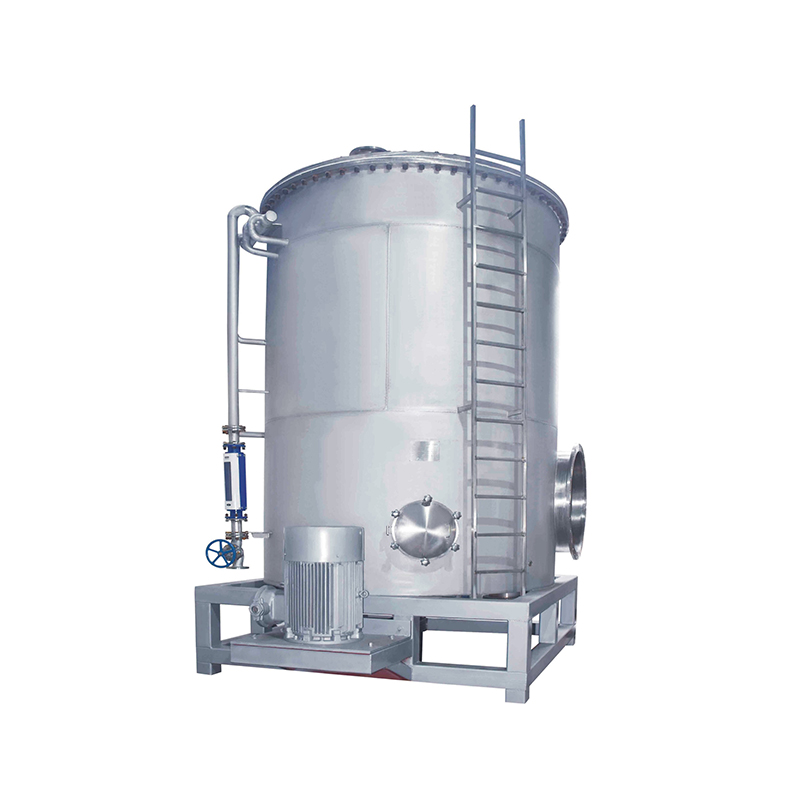
Across industries ranging from dairy and beverages to pharmaceuticals and high-purity water storage, the surface finish of a tank can be just as important as the materials used in its construction. For a Hygienic Storage Tank, interior finish determines how well a tank resists contamination and supports effective cleaning. Similarly, a Stainless Steel Storage Tank with an optimized surface can significantly influence operational hygiene, cleaning efficiency, and even product safety over the long term.
In real-world operations, users often focus on tank capacity and material grade — but surface texture and roughness are fundamental to hygiene performance. This topic goes beyond aesthetics: microscopic peaks and valleys on untreated surfaces can become problematic in environments where residues, microorganisms, or chemical agents interact with the stored product. Industry recommendations for hygienic design emphasize low surface roughness, often with target roughness averages (Ra) well below 0.8 μm for interior contact surfaces to facilitate sanitation and reduce contamination risk.
The Science Behind Surface Finish and Hygiene
Surface finish refers to the microscopic texture of a material’s interior surface. Even when two tanks are made of identical stainless steel alloys, differences in surface finishing processes — such as grinding, mechanical polishing, or electropolishing — can produce dramatically different hygiene outcomes. Smoother surfaces with low Ra values are easier to clean, as they minimize micro-crevices where residues and microbes might accumulate.
For applications demanding strict sanitary standards, such as food, beverage, and pharmaceutical processes, a polished internal surface is essential. These industries require surfaces that are impervious, non-porous, and free from cracks or inclusions so cleaning agents and sanitizers can thoroughly contact all areas without leaving dead spots behind.
Improved Cleanability and Operational Efficiency
One of the primary benefits of a high-quality surface finish is enhanced cleanability. Smoother interior surfaces reduce the adhesion of product residues and simplify the removal of soil during cleaning cycles. This advantage becomes especially noticeable when the tank is cleaned using Clean-in-Place (CIP) systems, where circulating cleaning solutions must contact every part of the internal surface. A low-Ra finish allows for more efficient CIP performance, helping facilities maintain rigorous hygiene standards with lower chemical and water use.
Operators also report that polished surfaces can help reduce biofilm formation — a common microbial challenge in food and beverage processes — because fewer microscopic anchoring points are available for bacteria to cling to. This outcome improves both initial cleaning effectiveness and subsequent sanitation verification.
Material Selection and Surface Treatment
While stainless steel inherently offers corrosion resistance and chemical stability, surface finishing treatments determine how these properties perform in contact with stored products. Electropolishing, for example, removes microscopic asperities and produces a reflective, featureless surface that further resists contamination and enhances corrosion resistance.
Mechanical polishing also yields significant improvements over as-welded or ground finishes by flattening peaks and reducing valleys where microbes and residues can hide. In hygienic designs, even interior welds are polished to minimize discontinuities that could trap soil or harbor bacteria.
Impact on Compliance and Product Safety
In regulated industries, such as pharmaceuticals or food processing, compliance with hygiene standards often requires verifiable cleaning results and evidence that surfaces won’t compromise product quality. Tanks with nice surface finishes support repeatable sanitation outcomes and facilitate audit readiness. A well-polished interior surface also supports accurate visual inspection for cleanliness — a task that becomes harder when surfaces feature irregularities or rough patches.
Design Considerations for Optimal Hygiene
Beyond finish quality, smart tank design considers factors such as drain geometry, weld quality, and accessibility for cleaning systems. These attributes work in tandem with surface finish to support comprehensive sanitation practices. For example, tanks designed with sloped bottoms help ensure complete liquid drainage and reduce stagnant residue, thereby supporting hygienic outcomes.
At Zhejiang Xinchuangxing Technology Co., Ltd., our engineering approach emphasizes both material quality and meticulous surface preparation. By optimizing internal finish and integrating features that support easy cleaning, we help facilities achieve hygiene levels that align with operational expectations and regulatory requirements.

Quick Links
Product Center
Contact Details
-
 +86-577-86997010
-
 +86-577-86997020
-
 [email protected]
-
[email protected]
-
 No. 155, Jifeng Road, High-tech Zone, Longwan District, Wenzhou, Zhejiang Province, China
SHARE


CONTACT US NOW
Copyright ©Zhejiang Xinchuangxing Technology Co.,Ltd. All Rights Reserved.
 Privacy Policy
Supergravity Equipment Manufacturers