

 En
En
 русский
 Español
 عربى
عربى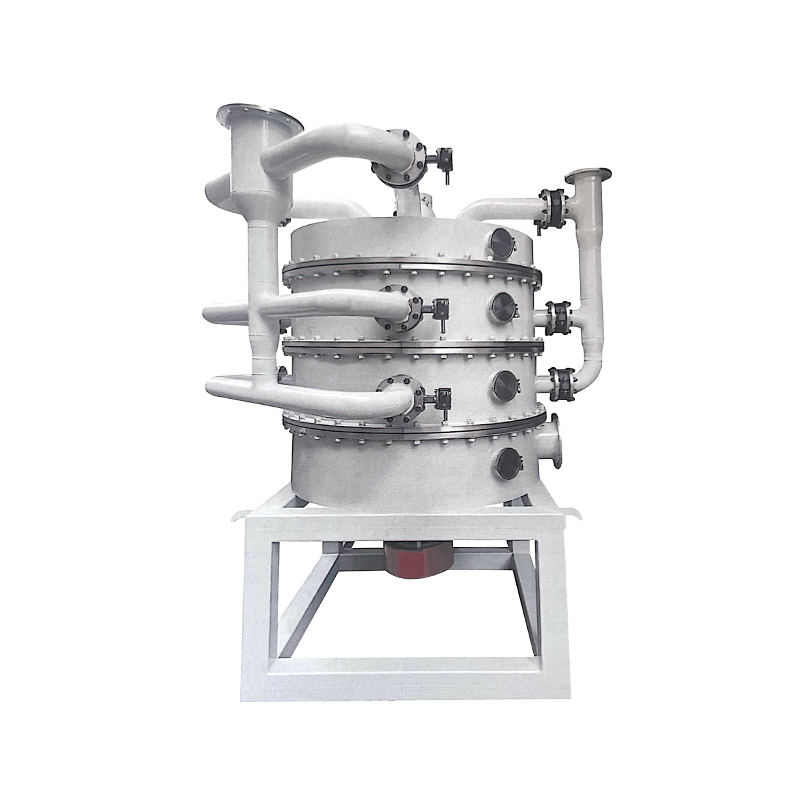

Can High-Gravity Systems Aid Wastewater Treatment
 2026.04.17
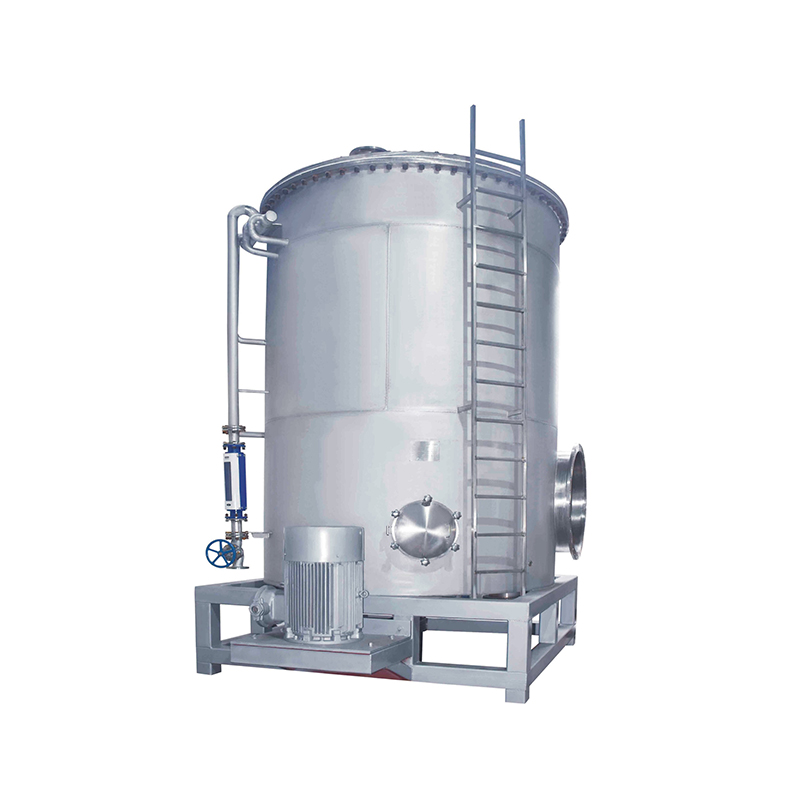
Environmental engineers face increasing pressure to improve wastewater treatment efficiency while reducing energy and chemical usage. High-Gravity Technology has emerged as a promising tool to address these challenges. By employing centrifugal forces to manipulate fluid behavior, a High-Gravity Reaction System can significantly accelerate pollutant removal and enhance treatment performance across multiple stages of wastewater processing.
Zhejiang Xinchuangxing Technology Co., Ltd. has been exploring practical implementations of high-gravity systems in industrial wastewater facilities, providing innovative solutions to improve both treatment capacity and reliability.
1. The Role of High Gravity in Water Treatment
Wastewater treatment commonly relies on physical separation, biological digestion, and chemical reactions. The efficiency of these processes often hinges on the rate of mass transfer and interfacial contact between pollutants and treatment agents. High-gravity reactors improve these interactions by:
Creating thin fluid films that increase surface contact between contaminants and reactants.
Inducing micro-bubbles in aeration systems for faster oxygen transfer to biological cultures.
Enhancing sedimentation by increasing centrifugal settling forces.
These improvements can shorten treatment cycles and reduce the volume of chemicals needed for coagulation, flocculation, or disinfection.
2. High-Gravity Reaction System Configurations
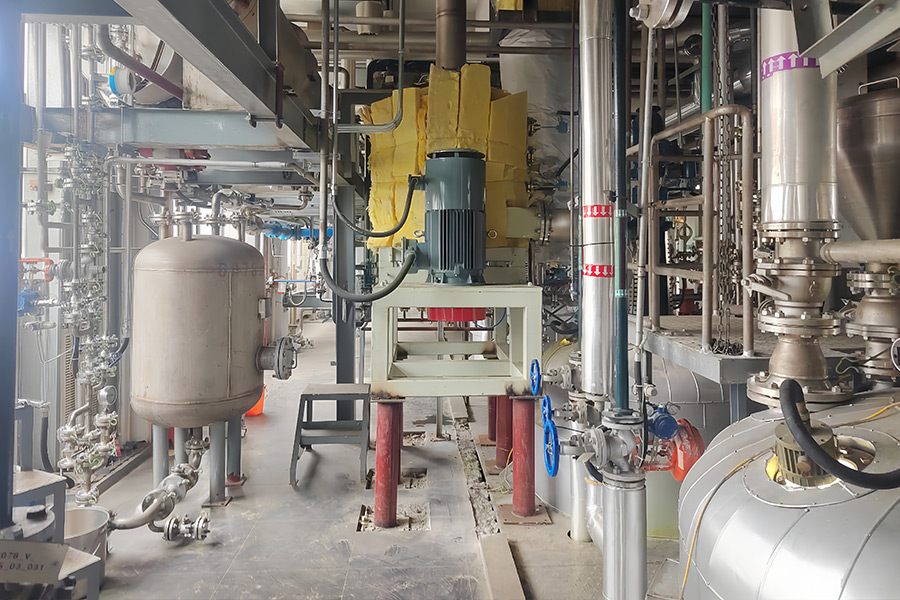
High-gravity reactors applied to wastewater treatment usually incorporate rotating packed beds or centrifugal contactors. Key system features include:
Rotating Packed Beds (RPBs):
Fluids flow through high-surface-area packing while spinning at hundreds of RPMs. The centrifugal forces force contaminants into thin films that interact more efficiently with reactants or microbes.
Centrifugal Contactors:
For liquid–liquid extraction, these units accelerate phase separation and pollutant transfer, improving extraction yields in shorter times.
Adjustable Rotation Speed:
Operators can tune the effective gravity, balancing treatment efficiency with energy consumption. This adaptability is particularly important for varying wastewater compositions.
3. Performance Benefits in Wastewater Applications
Several performance enhancements have been observed with high-gravity systems:
Faster Pollutant Removal:
Organic compounds, heavy metals, and suspended solids can be removed more quickly due to enhanced mass transfer and micro-scale mixing.
Energy Efficiency:
Despite the energy used to drive rotation, overall operational energy can decrease because reaction times and pumping requirements are lower compared to conventional tanks.
Compact Design:
High-gravity reactors occupy less space than traditional sedimentation or aeration tanks, making retrofitting possible in facilities with limited footprint.
Consistent Treatment Quality:
By minimizing concentration gradients and hotspots, high-gravity reactors provide uniform treatment and reduce the likelihood of under-treated effluent.
Zhejiang Xinchuangxing Technology Co., Ltd. has tailored several high-gravity solutions that integrate seamlessly with existing wastewater plants, optimizing both aeration and flocculation stages.
4. Case Examples and Practical Insights
Industrial trials have shown that high-gravity systems can effectively enhance:
Aerobic Biological Treatment:
Enhanced oxygen transfer allows microorganisms to break down organic waste faster. Thin liquid films created in the RPB facilitate higher microbial contact with contaminants.
Chemical Precipitation and Adsorption:
Metals and phosphates respond better to coagulants in high-gravity environments because reactant distribution is more uniform.
Sludge Management:
Centrifugal acceleration promotes rapid settling of solid particles, reducing sludge residence time and improving dewatering efficiency.
Operators note that careful calibration of rotational speed, feed flow, and packing density is critical to achieving these benefits without creating excessive wear or energy demand.
5. Future Outlook and Research Directions
High-gravity systems are gaining attention in environmental engineering research due to their potential to:
Reduce chemical consumption in water treatment.
Integrate with membrane filtration, adsorption, or advanced oxidation technologies.
Scale compactly for decentralized or industrial wastewater applications.
Ongoing research explores coupling High-Gravity Technology with real-time monitoring systems to optimize reactor performance and reduce operational costs further.

Quick Links
Product Center
Contact Details
-
 +86-577-86997010
-
 +86-577-86997020
-
 [email protected]
-
[email protected]
-
 No. 155, Jifeng Road, High-tech Zone, Longwan District, Wenzhou, Zhejiang Province, China
SHARE


CONTACT US NOW
Copyright ©Zhejiang Xinchuangxing Technology Co.,Ltd. All Rights Reserved.
 Privacy Policy
Supergravity Equipment Manufacturers