

 En
En
 русский
 Español
 عربى
عربى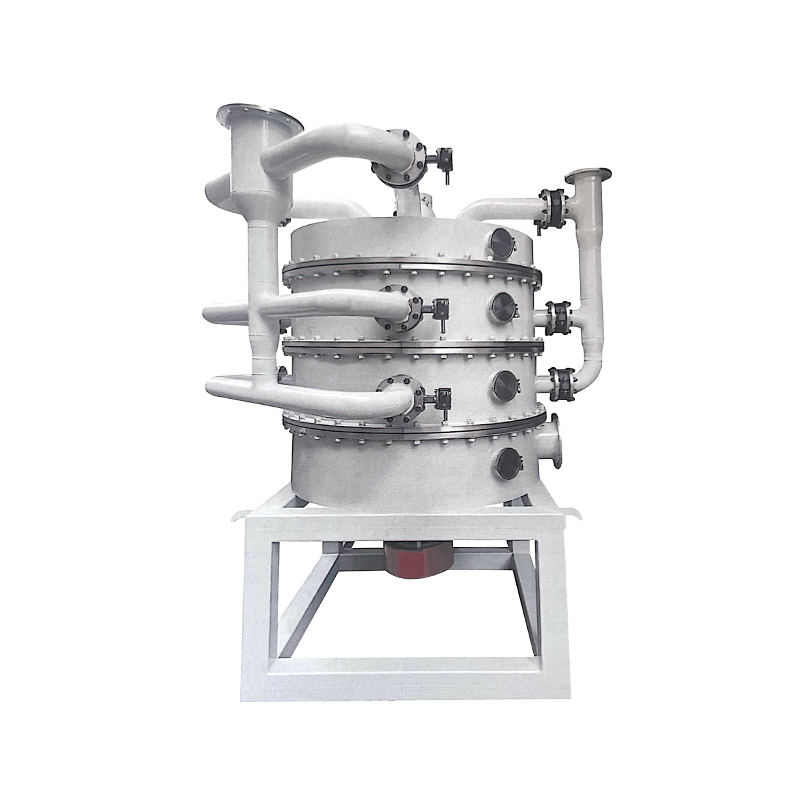

How Does High-Gravity Improve Mass Transfer Efficiency
 2026.04.10
High-gravity concepts have drawn growing attention among engineers focusing on process intensification and advancing chemical reaction performance. At its core, a High-Gravity Reaction System uses engineered reactor configurations to create enhanced centrifugal force fields that drive fluids into micro-scale phases, which significantly boost contact between reactants. Utilizing advanced High-Gravity Technology can transform typical mass transfer limitations into dynamic conversion improvements across multiphase reactions, offering new opportunities for compact and efficient industrial processing.
Understanding Mass Transfer Challenges
Mass transfer plays a central role in chemical reactions, especially in gas-liquid, liquid-liquid, or gas-solid systems. Traditional reactor designs rely on diffusion and agitation to mix phases, but these approaches often struggle with large boundary layers and slow interfacial renewal. Without rapid exchange at the interface of reactants, reaction performance is constrained, and processes become inefficient.
Efficient mass transfer requires frequent renewal of phase boundaries, reduced resistance to diffusion, and increased interfacial area. These are the core bottlenecks that high-gravity platforms are engineered to address.
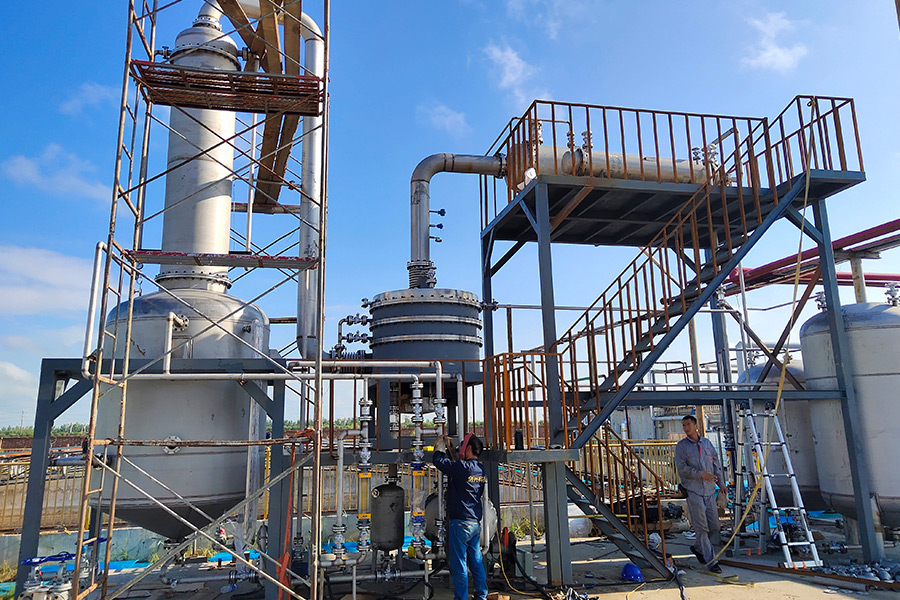
Mechanisms of Enhanced Mass Transfer Under High Gravity
High-gravity environments restructure how phases interact at the microscopic levels. Rather than relying solely on mechanical stirring or static gravity fields, high-gravity devices—such as rotating packed beds—generate centrifugal fields that create intense shear and turbulence:
Micro-Element Formation:
In a high-gravity field, liquids break into extremely small film, thread, and droplet structures. These micro-elements possess a vastly increased surface area where mass exchange can occur. The constant breakup and renewal of interfaces significantly shorten diffusion paths.
Forced Convection Beyond Diffusion:
Unlike diffusion-limited systems where molecules slowly spread from high to low concentration regions, high gravity accelerates convective transport. This forces molecules to move rapidly between phases, reducing mass transfer resistance and enhancing overall reaction throughput.
Dynamic Multiphase Contact:
A properly engineered High-Gravity Reaction System promotes repeated collisions and mixing between phases. Whether reacting gases with liquids or liquids with immiscible phases, the centrifugal forces dynamically reposition fluid elements, ensuring rapid exchange of species.
Such mechanisms contribute to measurable increases in volumetric mass transfer coefficients—sometimes by orders of magnitude compared with conventional packed columns.
Practical Benefits in Industrial Applications
The real value of enhanced mass transfer lies in its practical impact on industrial processes. Industries with high energy demands and stringent efficiency requirements are prime candidates for high-gravity solutions.
Reduced Equipment Footprint:
High mass transfer per unit volume means that reactors can be more compact, lowering capital cost and freeing production floor space.
Faster Reaction Rates:
In wastewater treatment or direct absorption scenarios where mass transfer limits throughput, high-gravity reactors shorten process times and increase throughput without adding reactor size.
Energy Savings Over Life Cycle:
Although rotating equipment consumes energy to generate centrifugal fields, the reduction in necessary residence time and auxiliary heating or cooling often offsets operational consumption.
Improved Product Consistency:
Enhanced mixing and homogenization under high-gravity conditions reduce hotspots and concentration gradients, yielding more consistent product quality and reducing by-products.
These benefits have prompted a variety of industrial research efforts and early adopters to study high-gravity reactor configurations for applications like gas purification, liquid extraction, and adsorption enhancement.
Key Design Considerations
Designing an effective high-gravity mass transfer system involves balancing fluid dynamics, centrifugal generation, and reactor geometry:
Rotational Speed and Gravity Factor (β):
Higher centrifugal force intensifies phase splitting but must be optimized to avoid excessive mechanical stress or energy consumption.
Packing Media Structure:
Internal packing shapes influence how fluids disperse and contact phases, affecting transfer efficiency.
Material Durability:
Because high-gravity operations involve stronger shear forces, corrosion-resistant materials and robust assemblies are essential to minimize wear.
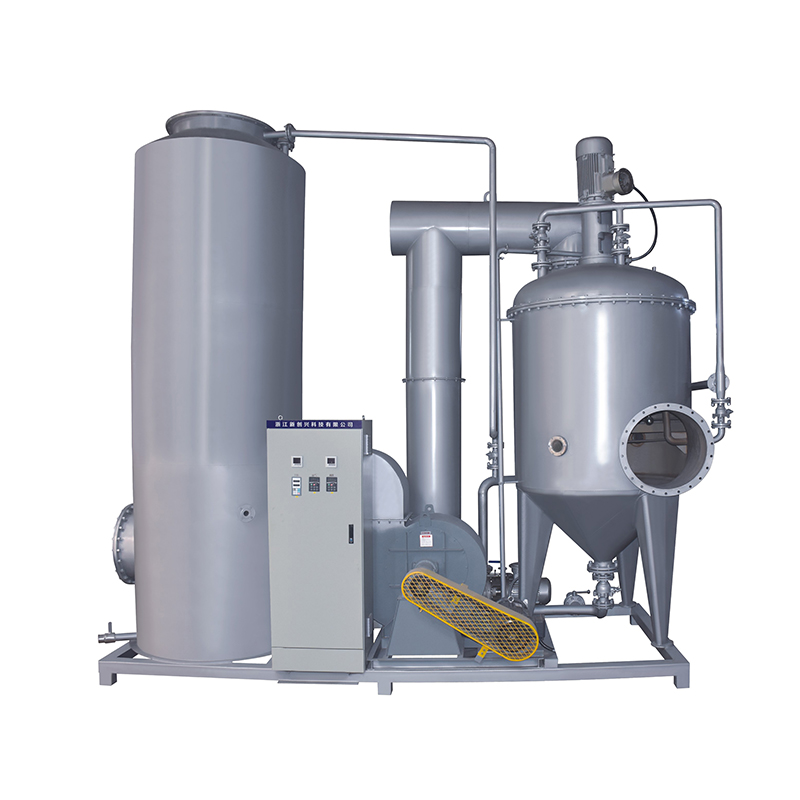
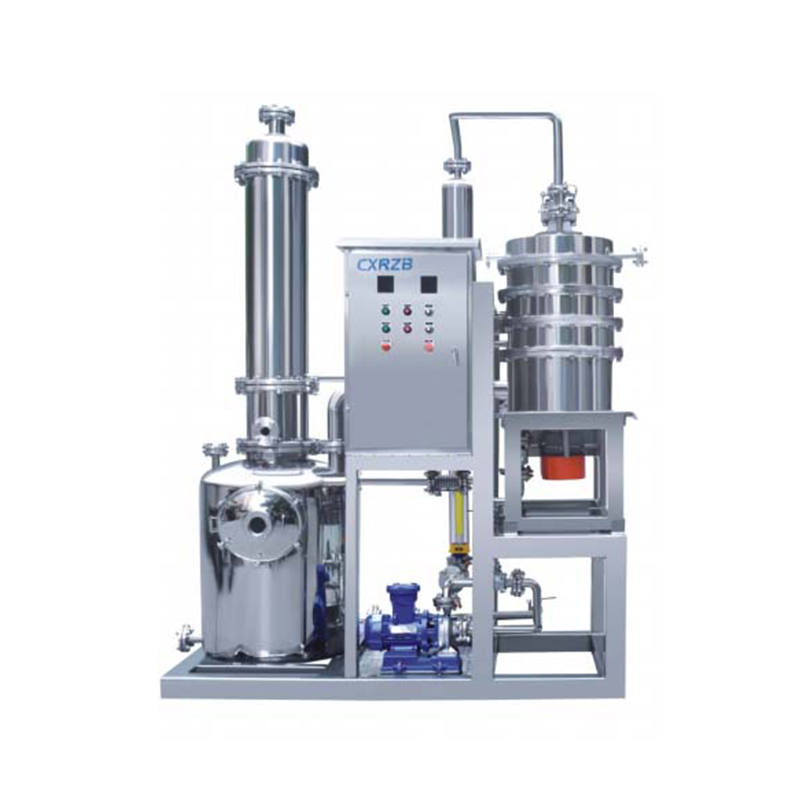
Equipment developers, including Zhejiang Xinchuangxing Technology Co., Ltd., focus on refining design modules and control strategies to maximize transfer enhancements while ensuring stable long-term operation.

Quick Links
Product Center
Contact Details
-
 +86-577-86997010
-
 +86-577-86997020
-
 [email protected]
-
[email protected]
-
 No. 155, Jifeng Road, High-tech Zone, Longwan District, Wenzhou, Zhejiang Province, China
SHARE


CONTACT US NOW
Copyright ©Zhejiang Xinchuangxing Technology Co.,Ltd. All Rights Reserved.
 Privacy Policy
Supergravity Equipment Manufacturers