

 En
En
 русский
 Español
 عربى
عربى

Distillation Unit Performance Issues Discussed Online
 2026.01.16
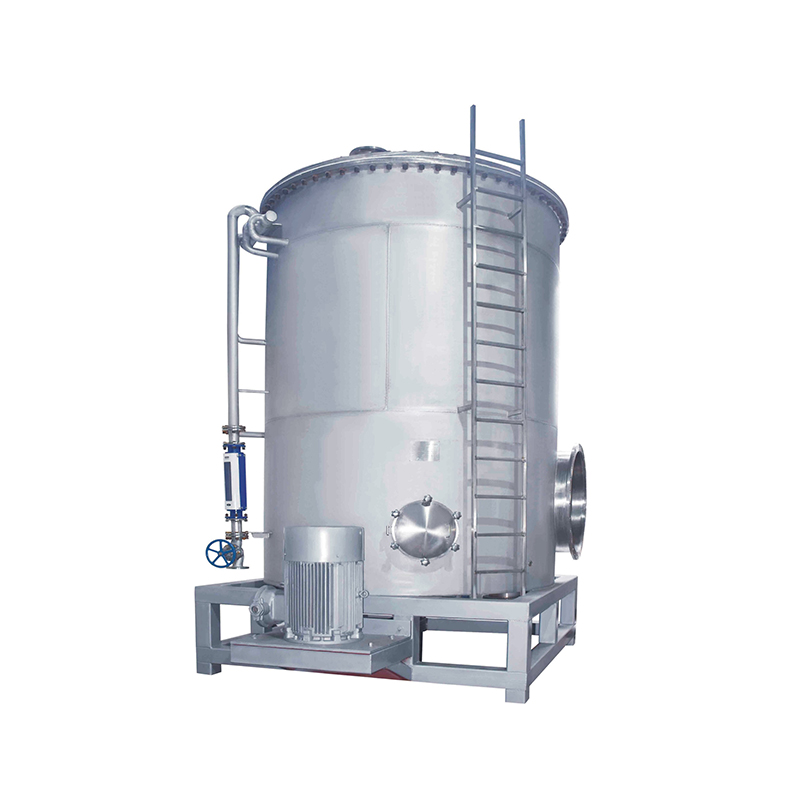
Whether in chemical plants or laboratory setups, the Distillation Unit is a fundamental unit operation for separating liquid mixtures based on differences in boiling points. It’s often paired with an Extraction Unit in complex processing workflows to improve overall separation efficiency. However, many facility managers and operators encounter performance issues that affect throughput, consistency, and product quality. Understanding these challenges and how to address them can significantly improve your distillation process outcomes.
1. Uneven Heating and Temperature Control Problems
One common issue reported with distillation units is uneven heating throughout the column or still pot, which often results in poor separation efficiency. Inconsistent temperature profiles can cause significant deviations in the expected distribution of components between the top and bottom products.
Only maintaining a single heating element or relying on manual control may not be sufficient for complex mixtures, especially when feed composition changes. Reliable temperature sensors, precise heating mantles, and automated temperature controllers are instrumental in mitigating this issue.
Calibrate temperature sensors regularly to ensure accurate readings and avoid drift.
Install additional heating elements or advanced controllers for larger systems to distribute heat evenly.
Integrate automated control logic to dynamically adjust heating rates based on real-time temperature feedback.
2. Condenser Efficiency and Overhead Product Quality
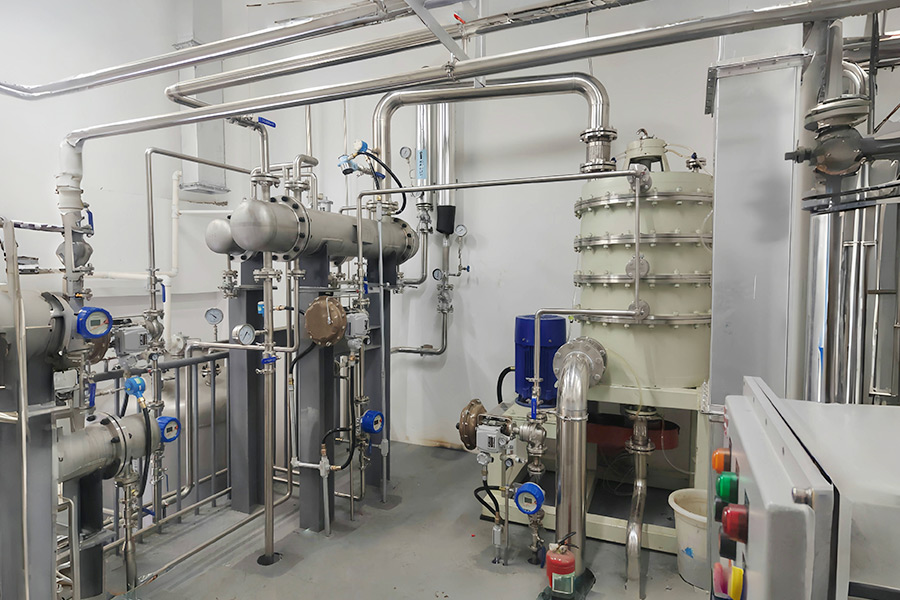
The condenser is a critical part of the distillation unit, directly affecting how well vapor is condensed into liquid product. Many operators report issues such as low condenser throughput or poor cooling efficiency, especially when ambient conditions fluctuate.
Ensuring adequate cooling water flow and verifying that the condenser’s surface area and design match the system’s operational capacity can help avoid inefficiencies. Regular cleaning of condenser surfaces to prevent fouling from residues or scaling is also necessary.
Monitor coolant flow rates to maintain efficient condensation.
Perform periodic cleaning of condenser coils or plates.
Upgrade condenser design when scaling up operation volumes.
3. Pressure and Leak Issues in Closed Systems
Distillation systems, particularly closed-loop units, rely on maintaining controlled pressures to achieve efficient separation. Leaks in seals, gaskets, or tubing can undermine vacuum conditions, causing lower recovery rates and increased operational costs.
Leaks not only reduce efficiency but can also pose safety issues when flammable or volatile components are present. Routine inspection and replacement of all seals and joints are essential to maintaining performance and safety.
Check all seals and gaskets for wear and tear.
Use vacuum-compatible tubing and connectors to prevent leaks.
Monitor system pressure continuously with reliable sensors to detect issues early.
4. Inadequate Operator Training and SOP Gaps
Performance inconsistencies in distillation units are often traced back to operator errors or lack of standardization in procedures. Operators who lack in-depth training on their specific setup may inadvertently misuse controls, resulting in suboptimal runs.
Implementing clear Standard Operating Procedures (SOPs) that detail step-by-step actions for both routine and complex distillation tasks can reduce variability and enhance repeatability. Training programs should incorporate hands-on practice with common troubleshooting scenarios, such as handling reflux ratio adjustments or managing sudden feed composition changes.
Develop and document detailed SOPs tailored to your unit’s design.
Conduct regular training sessions for new and existing staff.
Encourage knowledge sharing among operators to build practical insights.
5. Integration with Extraction Unit and Workflow Balance
In many processing lines, distillation is used after extraction to purify the concentrate produced by an extraction unit. Poor coordination between these two stages can affect overall performance. For example, condensate carryover from extraction solvents can introduce unexpected components into the distillation feed, skewing temperature profiles and separation outcomes.
Ensuring that the output from an extraction unit is well-defined and consistent before it enters the distillation phase helps streamline the entire workflow. Post-extraction filtration or pre-distillation conditioning such as solvent recovery can improve distillation efficiency.
Standardize feed preparation to match distillation requirements.
Use inline filters between extraction and distillation stages.
Monitor feed composition to adjust distillation parameters proactively.
At Zhejiang Xinchuangxing Technology Co.,Ltd., we support customers through product selection, commissioning support, and operational guidance to help improve both extraction and distillation system performance. If you’re experiencing challenges with your unit operations, evaluating each of the topics above can be a solid initial step toward improvement.

Quick Links
Product Center
Contact Details
-
 +86-577-86997010
-
 +86-577-86997020
-
 [email protected]
-
[email protected]
-
 No. 155, Jifeng Road, High-tech Zone, Longwan District, Wenzhou, Zhejiang Province, China
SHARE


CONTACT US NOW
Copyright ©Zhejiang Xinchuangxing Technology Co.,Ltd. All Rights Reserved.
 Privacy Policy
Supergravity Equipment Manufacturers