

 En
En
 русский
 Español
 عربى
عربى

Extraction Unit Safety Concerns in User Setups
 2026.01.09
Safety concerns around the Extraction Unit are legitimate and require careful planning, training, and equipment management. Whether you are operating in a busy industrial processing facility or a controlled laboratory, attention to ventilation, pressure management, PPE, maintenance, and emergency readiness will make a significant difference in reducing risks and maintaining a safer work environment. With proper practices in place, extraction systems and associated Distillation Unit workflows can operate smoothly and reliably.
Ventilation and Fume Control
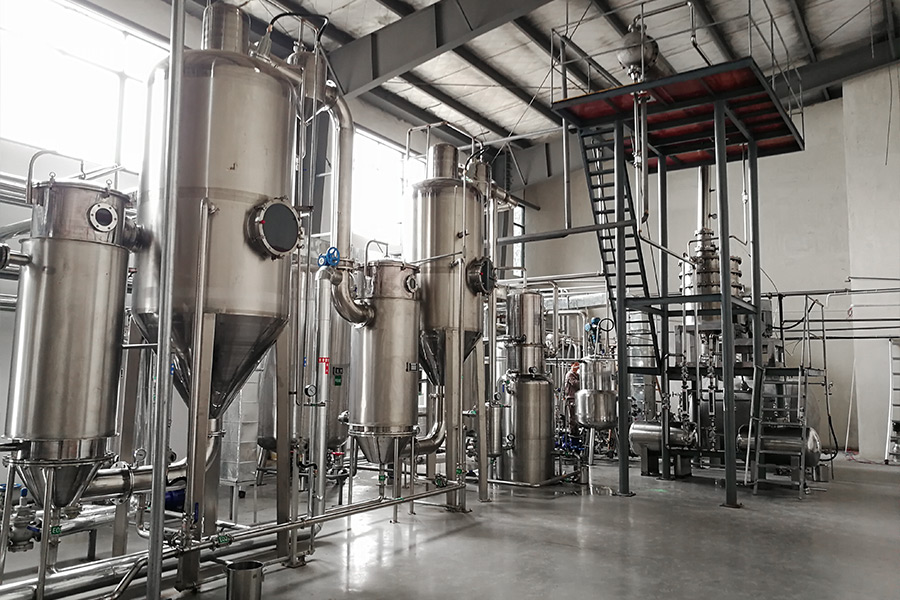
One of the more commonly mentioned safety issues with extraction units is inadequate ventilation. Poor airflow can cause accumulation of flammable or toxic vapors in the workspace, increasing the risk of fire, explosions, and health hazards. In discussions about fume handling and extraction, industry professionals emphasize that a robust ventilation system is vital to prevent buildup of hazardous gases and vapors.
Proper extraction ducting: Ensure that extraction hoods and exhaust ducts are correctly designed to capture fumes at the point of generation.
Explosion-proof fans: Use explosion-proof ventilation fans in areas with flammable solvent use to reduce fire risk.
Regular airflow checks: Periodic testing of airflow rates and extraction efficiency helps identify blockages or system degradation early.
Pressure and Solvent Risks
Many extraction processes, particularly those involving closed-loop systems and volatile solvents, operate under pressure. In these systems, improper venting or failure to monitor pressure levels can cause hazardous conditions. For example, studies and user accounts highlight that venting pressurized columns directly to the atmosphere without proper controls can create unsafe environments where Lower Explosive Limits (LEL) may be approached, posing significant risk.
To address these concerns:
Install pressure relief systems: Use properly rated pressure relief valves and vent systems to avoid overpressurization.
Monitor solvent levels: Accurate tracking of solvent use and recovery reduces unexpected pressure spikes.
Train operators: Well-trained personnel are better able to recognize and respond to pressure anomalies in the extraction setup.
Personal Protective Equipment (PPE)
While extraction units and associated equipment often include engineering controls, the importance of PPE cannot be overstated. Laboratory operators frequently overlook basic protective gear, which can cause injuries, chemical burns, or long-term health effects.
Key PPE practices include:
Respirators and goggles: Always wear suitable respirators and safety goggles when handling hazardous solvents or operating extraction machinery.
Gloves and protective clothing: Chemical-resistant gloves and flame-resistant clothing provide essential barriers against spills and exposure.
Regular PPE checks: Ensure that PPE is inspected, maintained, and replaced when worn or expired.
Regular Maintenance and Inspection
Neglecting maintenance is one of the more common mistakes in labs using extraction systems. Without routine inspection, parts like seals, gaskets, and hoses can degrade, causing leaks, reduced efficiency, and unexpected failures.
Best maintenance practices include:
Scheduled inspections: Establish a preventive maintenance schedule that includes checking pressure gauges, hoses, and extraction components.
Replace worn parts: Timely replacement of consumables like filters and seals prevents leaks and contamination.
Documentation: Keep thorough records of maintenance work to track performance and anticipate future needs.
Emergency Preparedness and Training
Finally, safety is not only about equipment — it’s also about people. Comprehensive training on emergency shutdown procedures and response actions is essential. In case of spills, fire, or solvent leaks, trained personnel can make informed decisions that minimize harm.
Emergency drills: Conduct regular drills to ensure staff are familiar with evacuation routes and emergency controls.
Lockout/tagout procedures: Implement these procedures during repairs or maintenance to prevent accidental machine startup.
Clear safety protocols: Develop clear, accessible guidelines for operators to follow in both routine and emergency scenarios.
At Zhejiang Xinchuangxing Technology Co.,Ltd., we are committed to supporting safe and efficient operation of chemical processing equipment. If you need assistance evaluating your current setup or planning a new installation, our technical team is ready to help.

Quick Links
Product Center
Contact Details
-
 +86-577-86997010
-
 +86-577-86997020
-
 [email protected]
-
[email protected]
-
 No. 155, Jifeng Road, High-tech Zone, Longwan District, Wenzhou, Zhejiang Province, China
SHARE


CONTACT US NOW
Copyright ©Zhejiang Xinchuangxing Technology Co.,Ltd. All Rights Reserved.
 Privacy Policy
Supergravity Equipment Manufacturers