

 En
En
 русский
 Español
 عربى
عربى

Preventing Fouling in Evaporator and Reactor Equipment
 2026.01.02
Fouling is one of the more common challenges in chemical processing, affecting both Evaporators and Reactors. Deposits of solids, salts, or organic compounds can accumulate on heat transfer surfaces, baffles, or internal walls, resulting in reduced efficiency, increased maintenance costs, and potential equipment damage.
Both Evaporators and Reactors rely on smooth heat and mass transfer to maintain consistent performance. When fouling occurs in either piece of equipment, it can disrupt thermal balance, affect reaction rates, and reduce the overall efficiency of the production process. Understanding the causes and implementing preventive strategies is essential for industrial operations.
Understanding Fouling in Industrial Equipment
Fouling is caused by the deposition of various substances from the process fluid onto surfaces. Common types of fouling include:
Scaling: Precipitation of salts such as calcium, magnesium, or sulfates.
Particulate Fouling: Solid particles present in the fluid accumulate on surfaces.
Organic Fouling: Deposition of organic matter from oils, polymers, or biological activity.
Corrosion-Induced Fouling: Rust and corrosion products contribute to layer formation on metallic surfaces.
Consequences of Fouling
Reduced Heat Transfer Efficiency: Deposits act as insulating layers, requiring more energy for heating or cooling.
Higher Operational Costs: Frequent cleaning and maintenance increase labor, downtime, and chemical usage.
Equipment Degradation: Fouling can accelerate corrosion, erosion, or mechanical wear, shortening service life.
Process Variability: Uneven deposition may cause temperature gradients, inconsistent reaction conditions, and variable product quality.
Preventive Strategies
Zhejiang Xinchuangxing Technology Co., Ltd. recommends a multi-faceted approach to prevent fouling:
Material Selection: Use of corrosion-resistant and low-adhesion materials for Evaporator and Reactor surfaces reduces fouling risk.
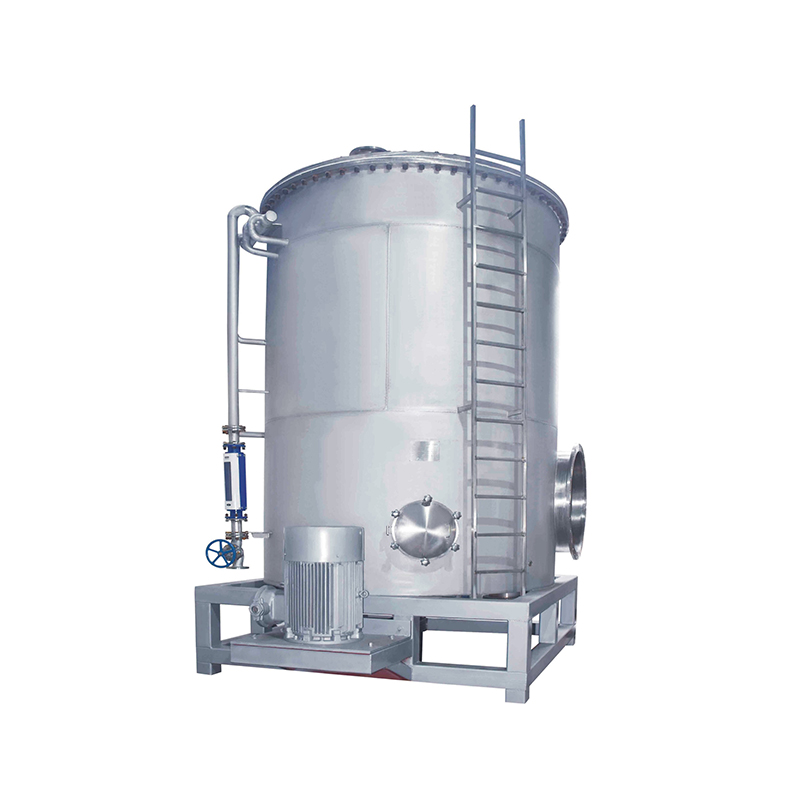
High-Gravity Technology: Our high-gravity systems generate controlled centrifugal forces that reduce sediment accumulation and maintain clean heat transfer surfaces.
Chemical Treatment: Appropriate water and chemical treatment can prevent scaling and organic deposition.
Flow Optimization: Proper design of fluid channels and controlled velocities help minimize stagnant zones where fouling is likely.
Routine Monitoring and Cleaning: Regular inspections and scheduled cleanings ensure deposits do not reach critical thickness, preventing long-term damage.
Integrated Approach for Evaporators and Reactors
A holistic approach that addresses both Evaporators and Reactors is essential. Fouling in Reactors can affect product quality and downstream Evaporator operation. Similarly, fouling in Evaporators can feed back into Reactors by altering concentration, temperature, or flow consistency. Zhejiang Xinchuangxing Technology Co., Ltd. designs integrated systems where fouling prevention measures in one unit complement the other, result in smooth, energy-efficient, and reliable operations.
Long-Term Benefits
Energy Efficiency: Minimizing fouling keeps heat transfer efficient, reducing energy consumption.
Reduced Maintenance: Effective prevention extends cleaning intervals and reduces downtime.
Stable Production: Consistent reaction and evaporation conditions ensure uniform product quality.
Sustainability: Lower energy use and chemical treatment requirements contribute to environmentally responsible operations.
Fouling in Evaporators and Reactors poses significant challenges to industrial operations, impacting efficiency, maintenance, and product consistency. Understanding the sources of fouling and implementing preventive measures is essential for long-term reliability. Zhejiang Xinchuangxing Technology Co., Ltd. offers advanced Evaporator and Reactor systems that incorporate high-gravity technology, optimized design, and monitoring solutions to minimize fouling risks.
By taking a proactive approach, industries can ensure consistent operation, reduce energy and maintenance costs, and extend equipment life. Proper fouling management in both Evaporators and Reactors is not only a technical necessity but a strategic investment in the efficiency, reliability, and sustainability of chemical processing systems.

Quick Links
Product Center
Contact Details
-
 +86-577-86997010
-
 +86-577-86997020
-
 [email protected]
-
[email protected]
-
 No. 155, Jifeng Road, High-tech Zone, Longwan District, Wenzhou, Zhejiang Province, China
SHARE


CONTACT US NOW
Copyright ©Zhejiang Xinchuangxing Technology Co.,Ltd. All Rights Reserved.
 Privacy Policy
Supergravity Equipment Manufacturers