

 En
En
 русский
 Español
 عربى
عربى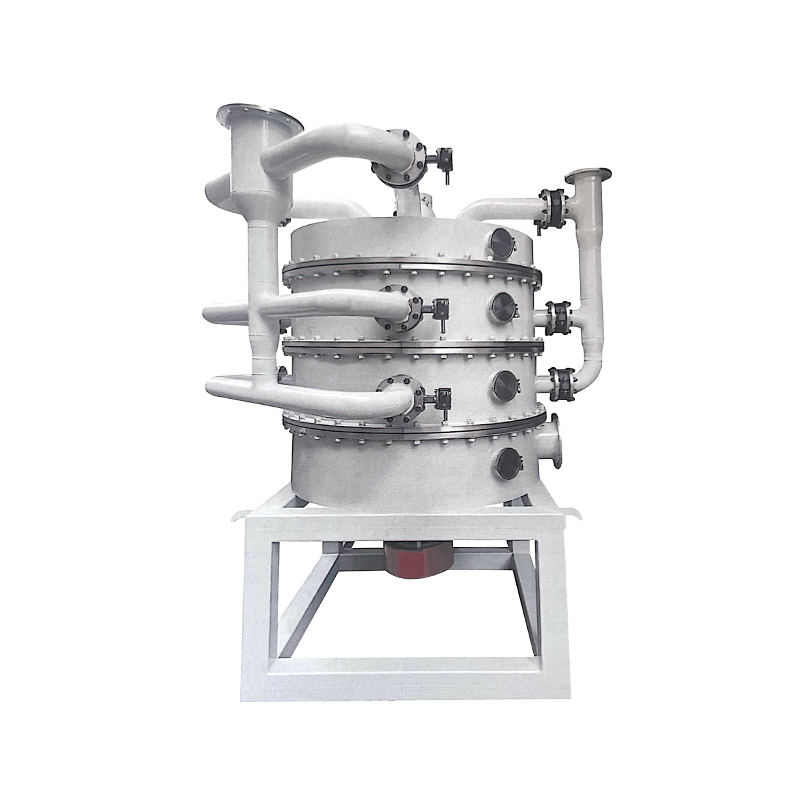

What Is the High-Gravity Reaction Intensification Principle
 2026.04.03
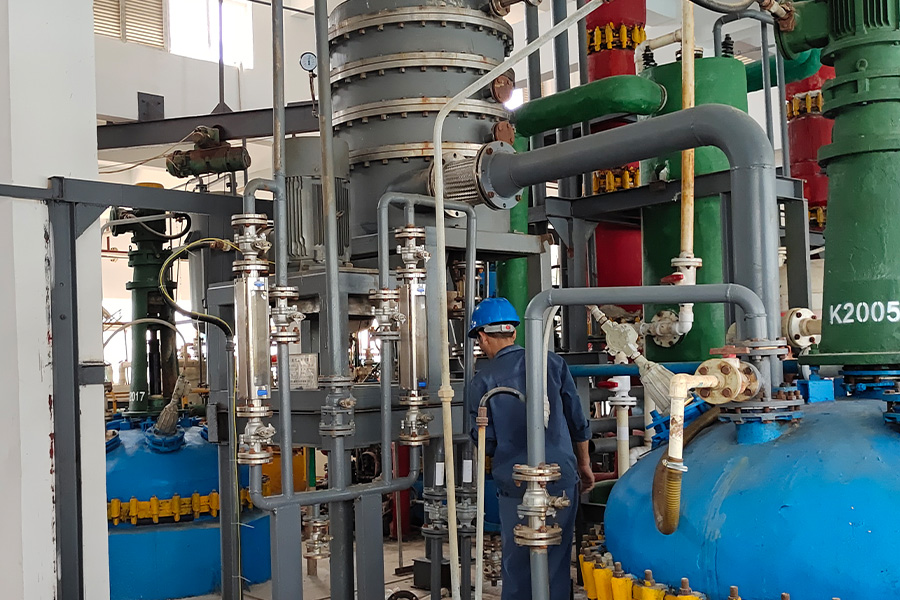
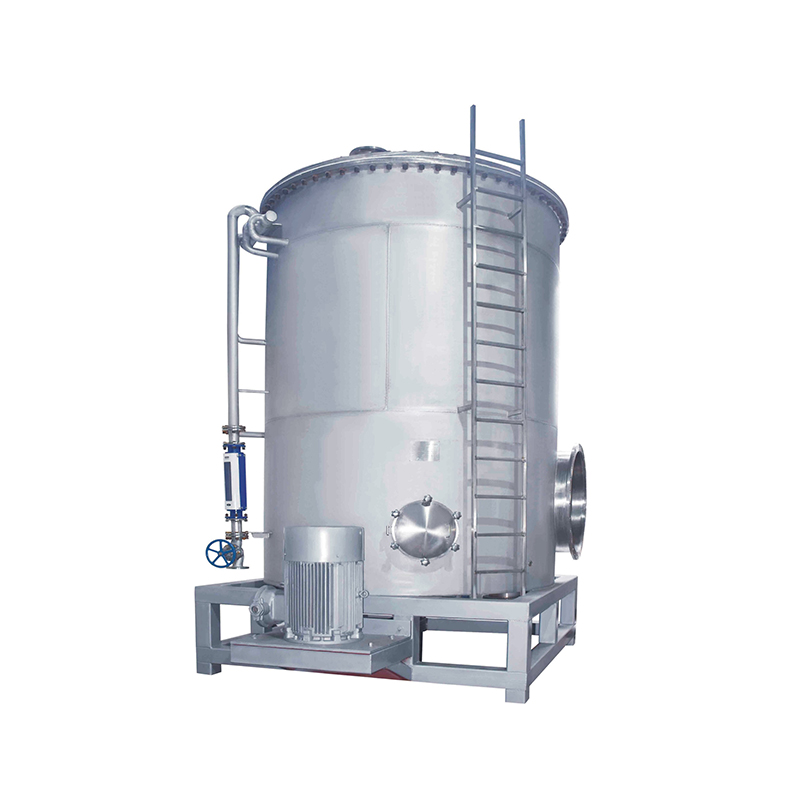
Chemical processing engineers and plant operators increasingly ask about the High-Gravity Technology concept and how it fundamentally changes reaction processes. At its core, high-gravity reaction intensification refers to the enhancement of reaction rates, mass transfer, and heat transfer through the use of artificially increased gravitational forces in a reactor environment. A properly configured High-Gravity Reaction System manipulates centrifugal forces to create a unique interaction between fluid phases—transforming conventional reaction limitations into operational advantages.
1. The Science Behind High-Gravity Effects
Normal gravity in industrial reactors ranges from 1g at Earth’s surface. When chemical engineers speak of “high gravity,” they refer to an environment where effective gravitational forces are multiplied many times over—typically in the range of 10g to 1,000g or more. This is achieved by rotating reactor internals or employing vertical centrifugal fields.
Key scientific effects include:
Enhanced Interfacial Area:
The rotation creates a thin film of liquid on the reactor walls, dramatically increasing the contact area between reactants.
Rapid Phase Mixing:
Centrifugal fields force phases into intimate contact, overcoming the slow diffusion limits seen in standard reactors.
Accelerated Mass Transfer:
High-gravity zones reduce boundary layer thickness, which speeds the transport of species between phases.
This fundamentally shifts how reactions occur—transforming multi-hour processes into minutes while maintaining stable temperature profiles.
2. Typical High-Gravity Reactor Features
A typical High-Gravity Reaction System integrates several design elements that distinguish it from traditional reactors. These include:
Rotating Packed Beds (RPB):
These are structured packing elements that spin at high speeds, producing effective gravitational fields and promoting gas-liquid interactions.
High-Surface Packing Media:
Internals within the reactor provide large specific surface areas (1,000–10,000 m²/m³) that support film spreading and continuous renewal.
Centrifugal Acceleration Modules:
These can generate gravitational equivalents of hundreds to thousands of g’s based on rotational speed and packing radius.
Such features help create an environment where reaction pathways become more predictable and controllable compared to static or low-shear reactors.
3. How Intensification Improves Reaction Efficiency
Understanding the intensification benefits requires looking at specific reaction phenomena:
Enhanced Kinetics
By increasing the effective contact between reactants, reactions transition from diffusion-limited to kinetically controlled. This results in:
- Higher conversion rates
- Shorter residence times
- Reduced by-product formation
For example, esterification processes that normally require elevated temperatures for hours can be completed within minutes under high-gravity fields.
Improved Heat Management
Heat transfer across thin films and through rotating packing media is significantly more efficient than in conventional stirred tanks. This results in:
- Lower temperature gradients
- Minimized hot spots
- Reduced cooling/heating utility requirements
These thermal benefits are especially valuable for exothermic or endothermic reactions where precise temperature control is critical.
4. Practical Industrial Considerations
Plant engineers evaluating a transition to high-gravity configurations must balance several practical matters.
Material Selection:
High rotational speeds and fluid shear require robust materials like stainless steel or composite internals that resist erosion and corrosion.
Scalability:
While small-scale high-gravity units demonstrate clear intensification benefits, scaling up requires careful attention to mechanical balance and power consumption.
Process Integration:
Operators need to assess existing upstream and downstream units, ensuring feed conditioning, phase separation, and purification steps align with intensified reaction outputs.
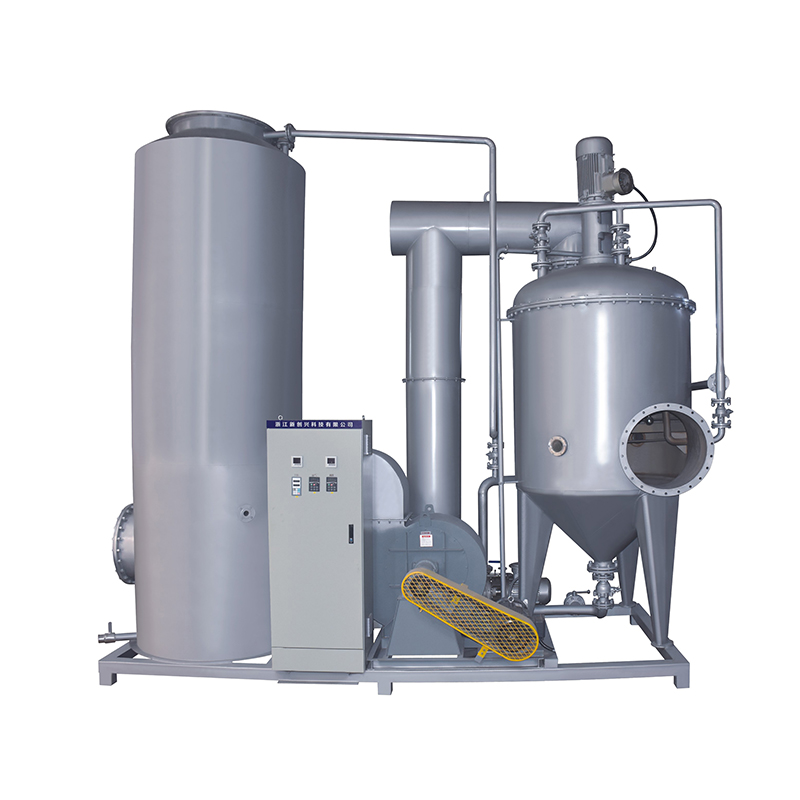
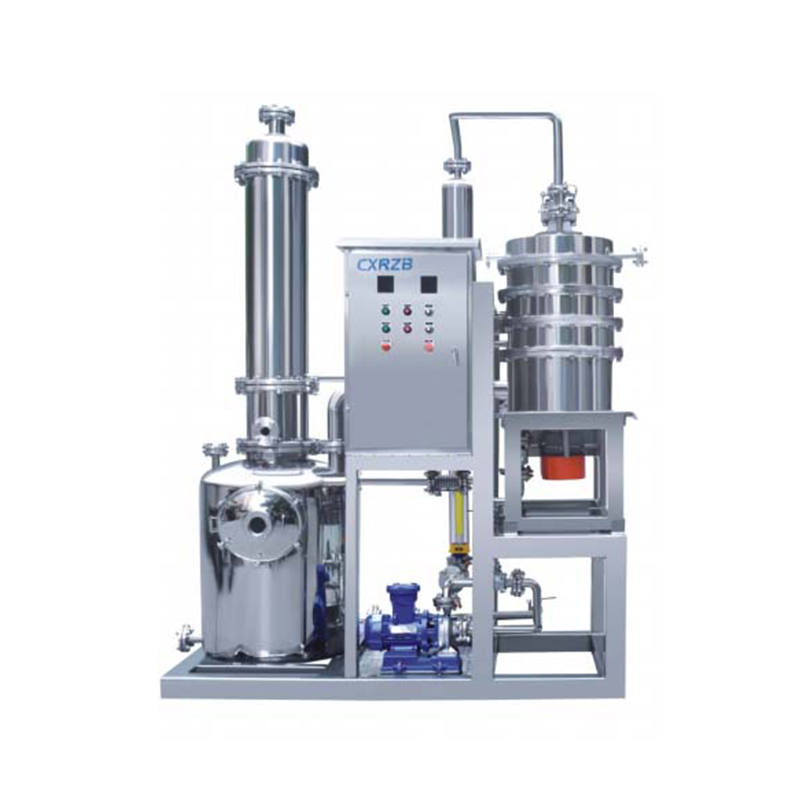
Zhejiang Xinchuangxing Technology Co., Ltd. has been working on solutions that address these integration challenges, often customizing module geometry to match client process conditions and performance targets.
5. Future Directions in High-Gravity Intensification
The intensification principle continues gaining attention in several areas:
Green chemistry applications:
Lower energy consumption and more efficient reactant use align with sustainability goals.
Multiphasic reactions:
Systems involving gas-liquid or liquid-liquid reactions benefit more from gravity-induced contact intensification.
Fine chemical production:
Better control over product distribution and reduced impurity formation are attractive for high-value chemicals.
Ongoing research also focuses on hybrid reactor modes that combine high gravity with ultrasonic agitation or micro-mixing features—pushing intensification beyond conventional limits.

Quick Links
Product Center
Contact Details
-
 +86-577-86997010
-
 +86-577-86997020
-
 [email protected]
-
[email protected]
-
 No. 155, Jifeng Road, High-tech Zone, Longwan District, Wenzhou, Zhejiang Province, China
SHARE


CONTACT US NOW
Copyright ©Zhejiang Xinchuangxing Technology Co.,Ltd. All Rights Reserved.
 Privacy Policy
Supergravity Equipment Manufacturers