

 En
En
 русский
 Español
 عربى
عربى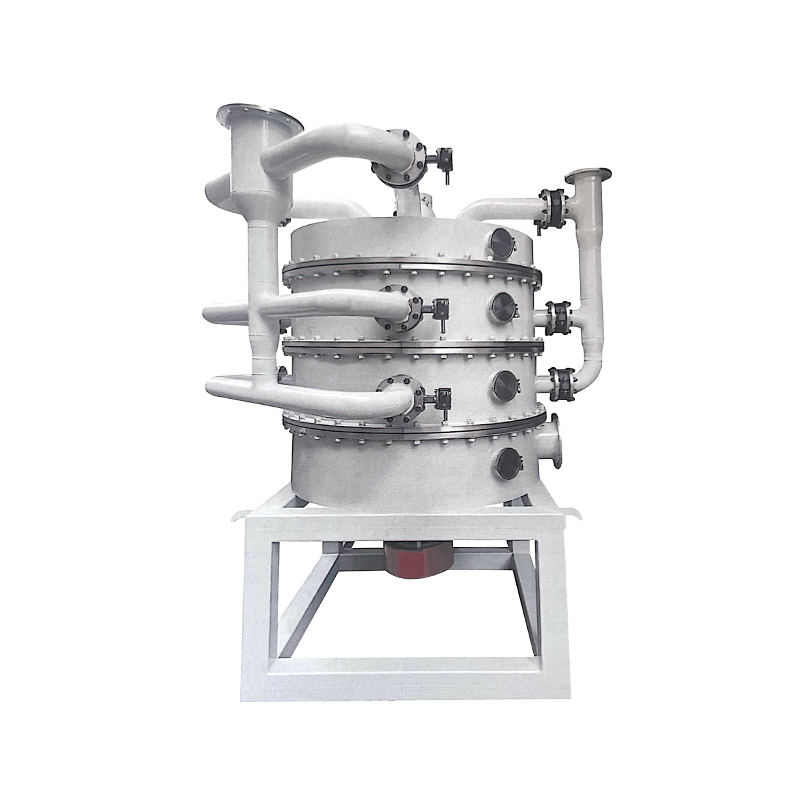

Mixing Problems in Industrial Reactors and Solutions
 2025.12.26
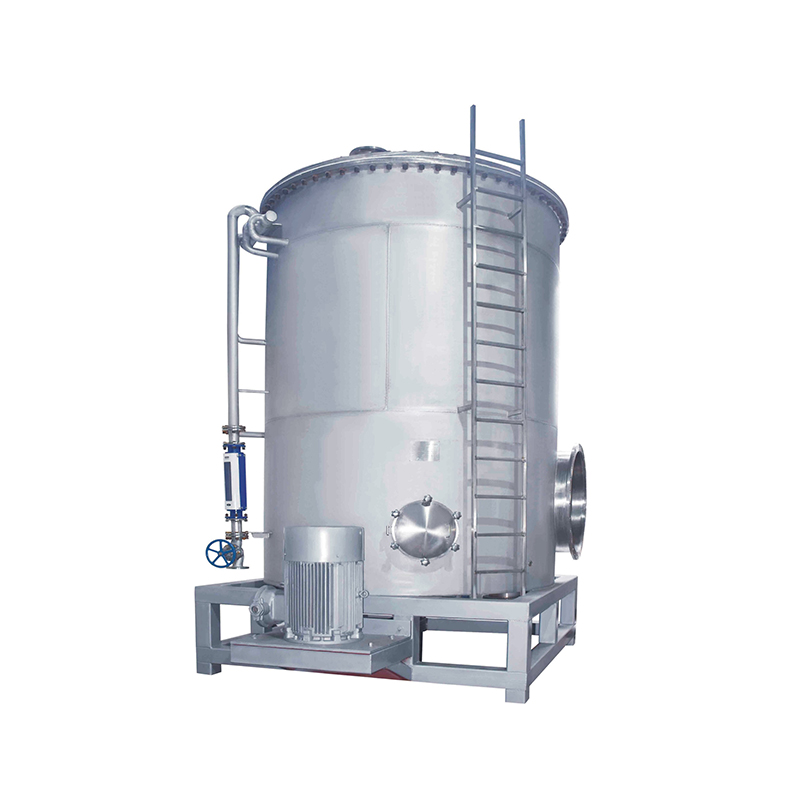
Effective mixing is a cornerstone of chemical processing. In Industrial Reactors, insufficient or uneven mixing can result in poor product quality, inconsistent reaction rates, and even safety risks. For many industrial plants, Evaporators are connected downstream to concentrate products or recover solvents. If the Reactor does not achieve uniform mixing, feed to the Evaporator may vary in composition, affecting evaporation efficiency and potentially causing scaling or fouling. Zhejiang Xinchuangxing Technology Co., Ltd. specializes in integrated Reactor and Evaporator solutions designed to optimize mixing and maintain process stability.
Mixing challenges in Reactors are often underestimated during design or operation. Variations in temperature, concentration, or flow can create dead zones and reduce reaction efficiency. Similarly, downstream Evaporators rely on a consistent feed to function well. When mixing is poor, these systems experience higher energy consumption and maintenance requirements.
Why Mixing Matters
Mixing ensures that reactants are evenly distributed throughout the Reactor, which impacts:
Reaction Rate Uniformity: Uneven distribution can slow reactions in some zones while overreacting in others.
Heat Distribution: Exothermic reactions generate heat that must be dispersed evenly to avoid hot spots or thermal degradation.
Product Consistency: Poor mixing produces non-uniform product composition, which is especially critical for high-value chemicals.
Downstream Evaporator Performance: Inconsistent feed can result in inefficient evaporation, scaling, and fouling in Evaporators.
Common Causes of Mixing Problems
Improper Impeller Design: Inadequate impeller size, type, or speed may not provide sufficient turbulence.
Incorrect Reactor Geometry: Baffles, vessel shape, and internal structures affect flow patterns.
Variable Feed Rates: Fluctuations in inlet flow can create stagnant regions and uneven reactant distribution.
Viscosity Changes: High-viscosity fluids resist mixing, resulting in poor homogenization.
Engineering Solutions and Nice Practices
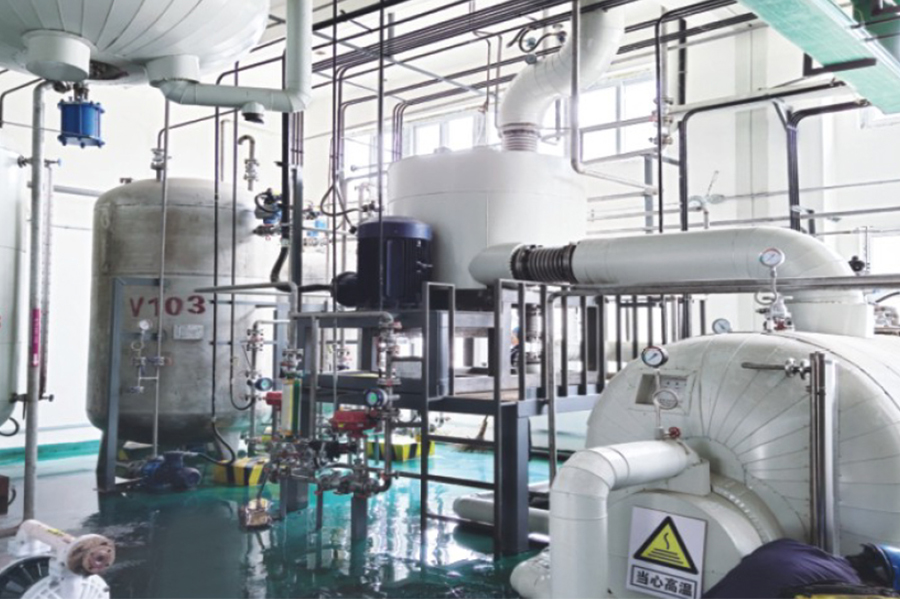
Zhejiang Xinchuangxing Technology Co., Ltd. implements a combination of design and operational strategies to address mixing problems in Reactors:
Optimized Impeller Selection: Choosing the correct impeller type and speed for specific fluid properties ensures proper turbulence.
Baffle and Vessel Design: Properly designed baffles enhance flow circulation, minimizing dead zones.
High-Gravity Technology Integration: Our high-gravity technology enhances fluid circulation and accelerates mixing, reducing reaction time and improving yield.
Flow Monitoring and Control: Real-time monitoring of feed rates and automated control systems maintain consistent mixing conditions.
Regular Maintenance and Cleaning: Preventing build-up of deposits inside Reactors ensures uniform mixing over long-term operation.
Impact on Industrial Efficiency
Well-mixed Reactors directly influence Evaporator performance. Uniform feed composition allows Evaporators to operate efficiently, reduces energy consumption, and minimizes fouling risks. Additionally, improved Reactor mixing enhances overall process reliability, reducing variability and maintenance costs. Plants can achieve higher productivity with fewer interruptions and better-quality products.
Mixing problems in Industrial Reactors are a significant operational challenge affecting reaction efficiency, product consistency, and Evaporator performance. Causes include impeller design, vessel geometry, feed variability, and fluid viscosity. Zhejiang Xinchuangxing Technology Co., Ltd. provides integrated solutions that combine optimized Reactor design, high-gravity technology, and advanced control systems to ensure thorough and consistent mixing.
By addressing mixing challenges, industries can maintain steady operation, protect downstream Evaporators from scaling and fouling, and achieve stable, energy-efficient chemical processing. Effective mixing is not just about reaction completion—it is a critical factor in the overall efficiency and sustainability of chemical manufacturing systems.

Quick Links
Product Center
Contact Details
-
 +86-577-86997010
-
 +86-577-86997020
-
 [email protected]
-
[email protected]
-
 No. 155, Jifeng Road, High-tech Zone, Longwan District, Wenzhou, Zhejiang Province, China
SHARE


CONTACT US NOW
Copyright ©Zhejiang Xinchuangxing Technology Co.,Ltd. All Rights Reserved.
 Privacy Policy
Supergravity Equipment Manufacturers