

 En
En
 русский
 Español
 عربى
عربى

Sustainability Now Drives CIP Buying
 2026.08.21
Sustainability reporting has moved from a marketing talking point to a procurement requirement, and that shift is reaching equipment rooms buyers never expected scrutiny to reach. A CIP Cleaning Unit sits at the center of a plant's water, energy, and chemical footprint, which means overseas buyers researching new systems today are weighing environmental performance alongside cleaning validation and throughput. The questions they bring to suppliers reflect that broader pressure.
Water Reuse Is No Longer a Bonus Feature
Final rinse water that once went straight to drain is increasingly captured and redirected into the next cycle's pre-rinse stage. Buyers evaluating suppliers now ask specifically how much of a cycle's water volume can realistically be recovered, and whether that recovery works across different product changeovers or only under ideal single-product conditions. Facilities operating in regions with water scarcity concerns, or reporting under corporate ESG frameworks, treat this capability as a baseline requirement rather than an upgrade option.
Chemical Dosing Precision Under Scrutiny
Detergent and acid consumption directly affects both operating cost and wastewater treatment load downstream. Sourcing teams are moving away from flat-rate dosing toward systems that meter chemical concentration based on measured soil conditions, adjusting in real time rather than applying a fixed worst-case dose every cycle. This matters twice over: it reduces chemical spend, and it reduces the burden on effluent treatment systems that many plants are also under pressure to modernize.
Energy Recovery Across the Heating Stage
Heating cleaning solution remains one of the more energy-intensive parts of any cycle, and buyers are increasingly asking how a system manages that load rather than simply how fast it heats. Common points raised in technical discussions include:
- Whether outgoing hot rinse water can transfer heat to incoming cold water through a heat exchanger
- How well the tank and piping are insulated to limit standby heat loss
- Whether heating elements are sized to the actual volume in circulation, avoiding energy spent heating excess capacity
- How quickly the system reaches setpoint temperature after a cold start on the shift
Suppliers who can walk through these specifics with real engineering detail, rather than general efficiency claims, tend to earn more trust during evaluation.
Reporting Data Buyers Can Actually Use
ESG and sustainability disclosures increasingly require plant-level data, not estimates. This is pushing interest toward CIP systems that log water, chemical, and energy consumption per cycle and export that data into formats compatible with a plant's existing reporting tools. For multinational buyers managing several facilities, having comparable data across sites — rather than manually compiled logs from each plant — has become a meaningful differentiator when comparing suppliers.
Balancing Sustainability With Validated Cleaning Standards
None of these efficiency gains matter if cleaning validation suffers as a result. Buyers are careful to confirm that water and chemical reduction measures don't compromise the microbiological and allergen clearance standards their quality teams require. This is usually where technical conversation with the manufacturer becomes essential — cycle parameters that work well on paper need to be validated against the buyer's actual product range and soil conditions before they're accepted.
What This Means for Sourcing Decisions
Plants that treated sustainability as a separate initiative from equipment sourcing are increasingly finding the two can't be separated. A cleaning system purchased purely on cycle speed or upfront price, without attention to resource consumption, often becomes a liability once sustainability reporting requirements catch up with it. Buyers who ask detailed resource-use questions early in the sourcing process tend to avoid that gap later.
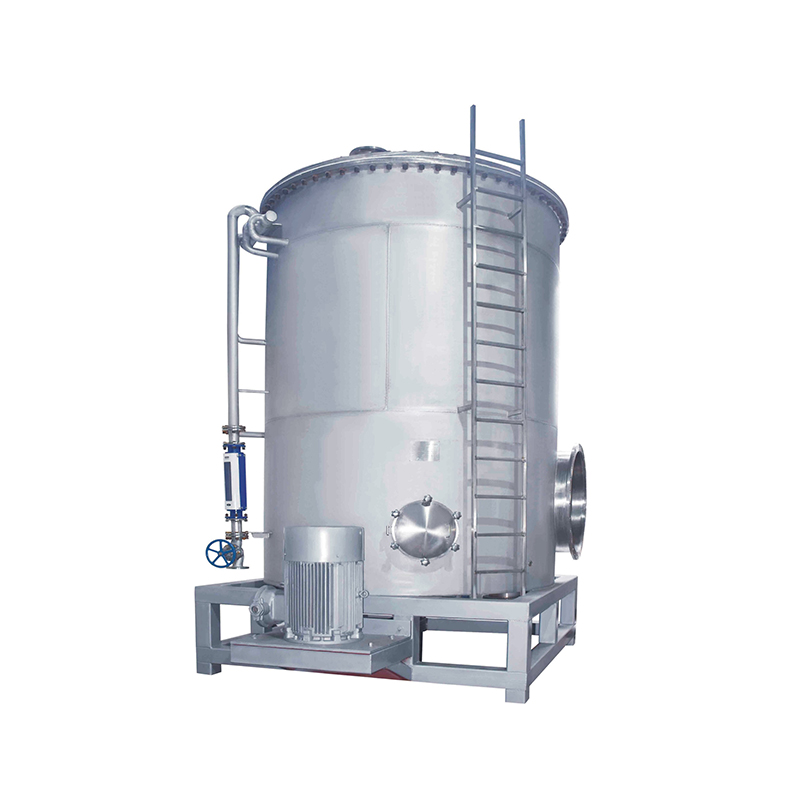
As environmental accountability becomes a standard part of supplier evaluation, a CIP Cleaning Unit built with water reuse, precise dosing, and transparent reporting in mind is no longer a premium option — it's becoming the baseline expectation for processors who need their equipment choices to hold up under both regulatory and corporate sustainability scrutiny.

Quick Links
Product Center
Contact Details
-
 +86-577-86997010
-
 +86-577-86997020
-
 [email protected]
-
[email protected]
-
 No. 155, Jifeng Road, High-tech Zone, Longwan District, Wenzhou, Zhejiang Province, China
SHARE


CONTACT US NOW
Copyright ©Zhejiang Xinchuangxing Technology Co.,Ltd. All Rights Reserved.
 Privacy Policy
Supergravity Equipment Manufacturers