

 En
En
 русский
 Español
 عربى
عربى

What Causes Unreliable Flow in Thermal Processing Units
 2026.03.20
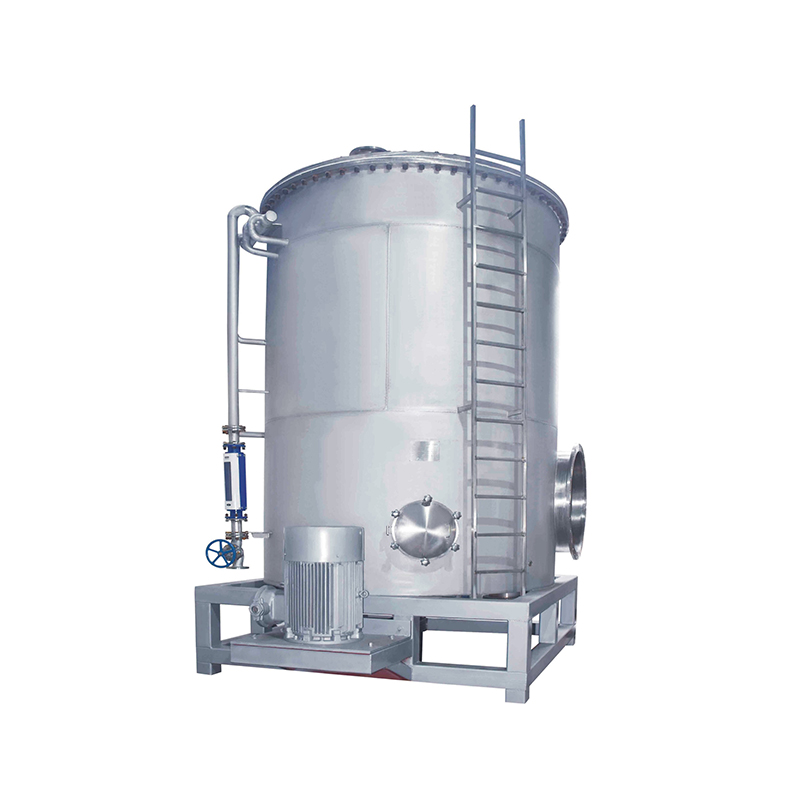
One frequent question from plant operators is “why does my thermal system show unstable flow and inconsistent processing results?” Reliable flow is crucial for maintaining quality and efficiency in systems that include a Thermal Processing Unit. In many industrial settings, this flow instability isn’t an isolated problem — it’s linked to a series of mechanical, material, and design issues that also impact associated equipment such as a Heat Exchanger.
Operators often notice variations in throughput, unexpected production stops, or temperature inconsistencies, which all trace back to unreliable flow behavior. These issues raise serious concerns because thermal processing units are designed to work within tight flow and temperature parameters. Understanding the root causes can empower engineers to prevent disruptions, improve throughput, and reduce maintenance costs.
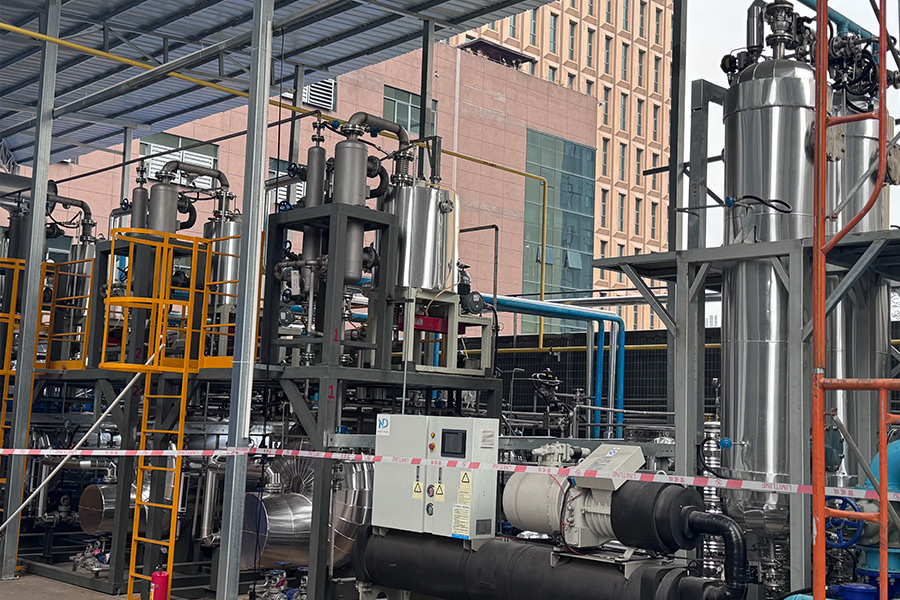
How Flow Affects Thermal Processing Performance
At its core, a thermal processing unit relies on a consistent feed rate of material through heating, cooling, or drying zones to ensure uniform treatment. When the flow of solids, liquids, or gases becomes inconsistent, the downstream process — including temperature uniformity and product quality — suffers. According to industry observations, poor or inconsistent flow of particles into or through thermal processing units is a major concern because it can disrupt drying or heating patterns, product stability, and energy efficiency. These problems are seen across many production environments where the material feed is uneven or unpredictable.
Common Causes of Flow Instability
There are several categories of issues that frequently cause unreliable flow in thermal systems:
1. Material Handling Challenges
Flow instability often begins before the material even enters the core thermal zone. Bulk solids, slurries, or particulate materials can behave unpredictably depending on their physical properties:
Arching or rat-holing — where material clumps or sticks to surfaces, stopping flow abruptly
Clumping or caking — especially with moist materials, which can block chutes or feeders
Inadequate surge capacity — storage or transfer zones that can’t accommodate fluctuations in feed volume
These material behavior issues can cause inconsistent feeding into thermal units, causing uneven processing outcomes.
2. Mechanical and Design Shortcomings
The design of feed systems, chutes, hoppers, and conveyors directly influences flow reliability. Improper angles, incorrect wall materials, and poorly designed feeders can all contribute to flow interruptions. Even when the feed into a Thermal Processing Unit appears adequate, tiny design mismatches create bottlenecks that manifest only under full-load conditions or during prolonged runs.
In many cases, operators find that the equipment setup doesn’t sufficiently match the flow properties of the material — such as its wall friction, cohesiveness, and compressibility — which are critical to predicting and ensuring reliable movement through the system.
3. Process Interactions and Feedback Loops
Flow instability doesn’t exist in isolation — it interacts with other systems like heat exchange and fluid circulation. For example, uneven feeding alters thermal load patterns, which in turn can stress heaters, coolers, and even related Heat Exchanger equipment. In heat exchangers, uneven or oscillating flow distribution reduces heat transfer effectiveness and can cause localized issues such as vibration or erosion, which impacts overall system stability.
These feedback loops mean that unreliable flow in one part of the process can cause problems in another, creating a cascade of challenges that reduce throughput and increase downtime.
Why Temperature and Pressure Variations Matter
In both heat exchange and thermal processing systems, temperature and pressure stability heavily depend on smooth flow patterns. When flow fluctuates:
Heat transfer becomes erratic
Process temperatures wander outside target goals
Variation in residence time leads to inconsistent product results
For example, a Heat Exchanger that experiences uneven flow across its surface won’t perform optimally, causing temperature “hotspots” and reduced thermal uniformity. These conditions can degrade product quality downstream.
Mitigating Unreliable Flow: Practical Measures
Understanding the root causes is only part of the solution. Here are practical strategies that operators can implement:
Analyze Material Flow Behavior
Before processing begins, evaluate material properties such as:
Bulk density
Moisture content
Cohesiveness
Particle size
This helps designers select appropriate feeders, hopper angles, and chute configurations.
Design for Surge and Buffer Capacity
Incorporating buffer zones or surge hoppers ensures that temporary increases or decreases in feed rate don’t immediately disrupt the thermal processor’s input flow. This improves flow uniformity even when upstream fluctuations occur.
Monitor and Adjust in Real Time
Use instrumentation to track flow rates, pressure changes, or sudden drops. Combined with automation, real-time adjustments help maintain consistent input levels.
Coordinate Thermal and Mechanical Systems
Optimize heat exchanger performance to match processing needs. Monitoring flow distribution and addressing imbalances in connected heat transfer equipment ensures that downstream thermal processes remain stable.
Unreliable flow through a thermal processing unit doesn’t just affect that system — it affects everything connected to it, including heat exchangers and thermal transfer loops. Material characteristics, mechanical design, and process interactions all contribute to how consistently material moves through the system. By identifying root causes early and applying practical mitigation strategies, plant operators can reduce downtime and improve product quality.
Reliable flow design and monitoring isn’t optional — it’s fundamental to maintaining performance in high-precision thermal environments, and it pays dividends in reduced maintenance costs and smoother operations.

Quick Links
Product Center
Contact Details
-
 +86-577-86997010
-
 +86-577-86997020
-
 [email protected]
-
[email protected]
-
 No. 155, Jifeng Road, High-tech Zone, Longwan District, Wenzhou, Zhejiang Province, China
SHARE


CONTACT US NOW
Copyright ©Zhejiang Xinchuangxing Technology Co.,Ltd. All Rights Reserved.
 Privacy Policy
Supergravity Equipment Manufacturers