

 En
En
 русский
 Español
 عربى
عربى

When Should You Replace Seals on Sanitary Emulsification Tanks
 2026.05.22
Maintaining a sanitary emulsification tank is essential for consistent product quality, efficient production, and regulatory compliance. Our company has observed that many production facilities overlook one of the more critical components: seals. Over time, seals in a mixing tank experience wear due to pressure, temperature fluctuations, and exposure to various chemical formulations. These seemingly minor components play a crucial role in preventing leaks, contamination, and downtime.
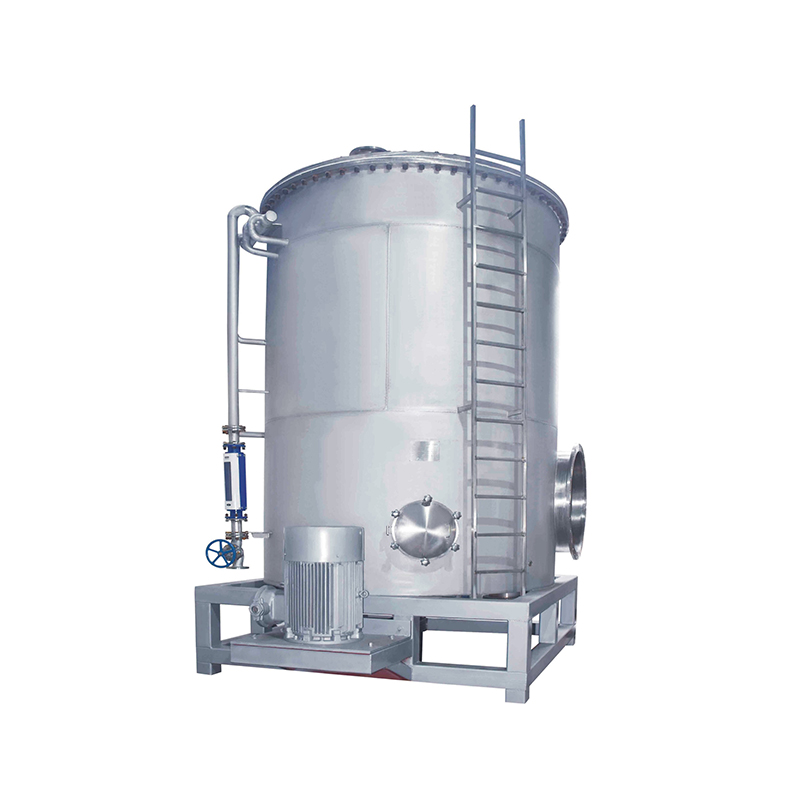
Sanitary emulsification tanks are designed to handle sensitive ingredients, ensuring that products meet hygiene standards. The seal system, often composed of high-grade elastomers or PTFE materials, must withstand constant agitation, high shear, and occasional temperature spikes. When seals fail, the result can be product contamination, increased maintenance costs, and potential regulatory violations.
Signs That Seals Need Replacement
Recognizing early indicators of seal degradation can save high costs and avoid production interruptions:
- Visible Leakage: Even minor fluid seepage around the shaft or tank lid indicates a compromised seal. Leakage not only wastes raw materials but can also promote microbial growth, affecting the quality of emulsified products.
- Unusual Noise or Vibration: Damaged seals can create irregular resistance on the mixing shaft, resulting in vibrations or squealing sounds. Over time, this can strain the motor and other mechanical components of the mixing tank.
- Frequent Maintenance Alerts: Sensors in modern sanitary emulsification tanks may detect deviations in torque or temperature. Persistent alerts often indicate that seals are no longer maintaining their ideal function.
- Chemical Attack or Wear: Some formulations, especially those with strong acids, bases, or solvents, can accelerate seal wear. A visual inspection may reveal cracks, hardening, or swelling of elastomeric seals.
Recommended Seal Materials and Lifespan
Choosing the correct seal material for a sanitary emulsification tank can impact both performance and replacement frequency:
- PTFE (Teflon) Seals: Highly resistant to chemicals, suitable for high-temperature applications up to 260°C, and ideal for aggressive emulsions.
- EPDM Seals: Effective against aqueous solutions, moderate temperatures up to 150°C, and commonly used in dairy or beverage production.
- Silicone Seals: Flexible at high and low temperatures, resistant to oxidation, but may wear faster under abrasive shear conditions.
Typically, a standard seal in a mixing tank or sanitary emulsification tank can last anywhere from 12 to 24 months under normal production conditions. High-speed tanks operating continuously at elevated temperatures or with abrasive ingredients may require more frequent replacements.
Proper Installation Practices
Replacing seals without proper installation can cause premature failure:
- Lubrication: Use food-grade lubricants to ease installation and reduce friction during operation.
- Alignment: Ensure the shaft and seal housing are correctly aligned to avoid uneven wear.
- Torque Checks: Verify that the mechanical fasteners are tightened to manufacturer specifications without over-torquing, which can deform the seal.
- Inspection After First Run: After initial startup post-installation, check for leaks, abnormal noise, or vibration and make necessary adjustments.
Automation and Monitoring Benefits
Our company recommends integrating monitoring systems into modern mixing tanks and sanitary emulsification tanks. Sensors can track torque, pressure, and temperature in real time, providing early warning signs of seal wear. Automated alerts can schedule maintenance, reducing unplanned downtime and improving overall production efficiency.
Environmental and Safety Considerations
Seals that are past their effective lifespan can compromise both product quality and workplace safety. Leaks of heated emulsions or chemical additives pose burn hazards and contamination risks. Regular replacement and maintenance of seals support a safer production environment and align with environmental compliance standards.
Cost-Benefit Analysis
While replacing seals involves downtime and material costs, delaying replacement can result in:
- Lost batches due to contamination
- Increased labor costs from emergency maintenance
- Motor and shaft damage due to improper sealing
- Potential fines from failing sanitation inspections
Investing in high-quality seals and timely replacement reduces long-term operational costs and ensures continuous, high-quality production.
Our Approach
Our company provides comprehensive solutions for mixing tanks and sanitary emulsification tanks, including:
- Expert guidance on seal selection
- High-grade, food-safe seal materials
- Professional installation services
- Routine inspection schedules
Regularly replacing seals not only prolongs the lifespan of the tank but also maintains hygiene, efficiency, and product consistency.
Detailed product information and maintenance guidelines can be found on our products. Our team is dedicated to helping manufacturers implement cost-effective and reliable maintenance strategies for their mixing and emulsification operations.

Quick Links
Product Center
Contact Details
-
 +86-577-86997010
-
 +86-577-86997020
-
 [email protected]
-
[email protected]
-
 No. 155, Jifeng Road, High-tech Zone, Longwan District, Wenzhou, Zhejiang Province, China
SHARE


CONTACT US NOW
Copyright ©Zhejiang Xinchuangxing Technology Co.,Ltd. All Rights Reserved.
 Privacy Policy
Supergravity Equipment Manufacturers