

 En
En
 русский
 Español
 عربى
عربى

Why Is My Heat Exchanger Losing Efficiency
 2026.03.06
A Heat Exchanger is a critical industrial component used to transfer heat between fluids without mixing them. However, many operators and engineers have raised concerns like “why is my system performance dropping?” or “why does my exchanger seem inefficient even though temperatures and flows look okay?” These questions often point toward real issues that affect productivity, energy use, and operational costs.
Many manufacturers, like Zhejiang Xinchuangxing Technology Co., Ltd. emphasize that understanding underlying causes before maintenance can save both downtime and cost. A typical thermal processing unit relies heavily on efficient heat exchange to ensure consistent temperature regulation, and any drop in efficiency directly impacts throughput and product quality.
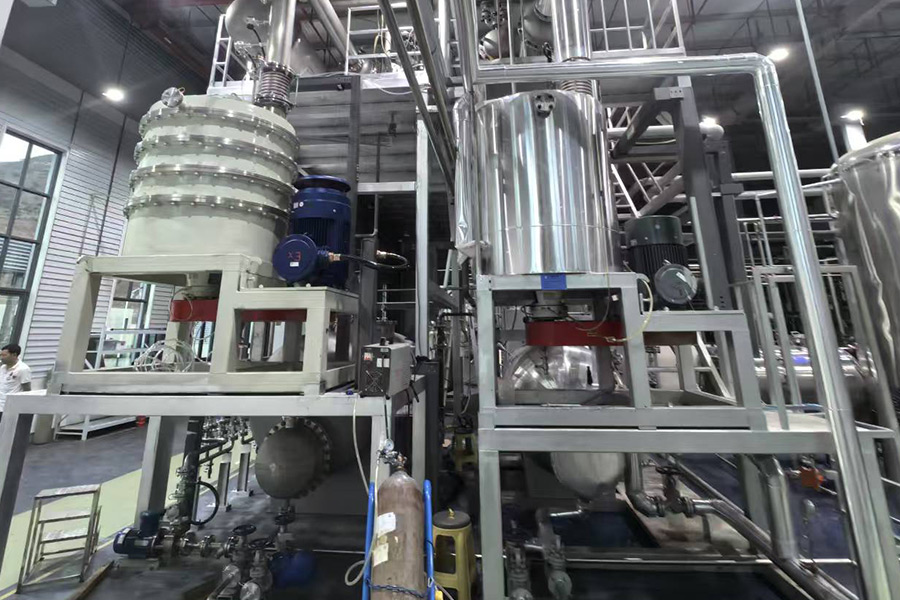
What Users Commonly Report About Heat Exchanger Performance
There are a few broad categories of issues that operators notice when a heat exchanger is not performing as expected:
- Unexpected drops in heat transfer efficiency
- Higher energy consumption than usual
- Flow restrictions or pressure changes in the system
- Visible fouling or deposits
These concerns have been shared across industrial discussions and technical platforms where engineers try to troubleshoot real operational issues.
Fouling: A Common Culprit
One of the more frequently mentioned reasons for efficiency loss is fouling. Fouling refers to the build-up of unwanted material on the internal surfaces of the heat exchanger during heating or cooling processes. These deposits act like insulation, reducing the device’s ability to transfer heat effectively.
Some of the way fouling manifests include:
Slowed heat transfer
Higher differential temperatures than expected
Increased resistance to fluid flow
Even carefully designed systems experience some level of fouling due to fluid composition changes, temperature fluctuations, or uneven flow patterns in the processing stream.
Regular cleaning schedules and real-time monitoring of performance metrics are among the more practical ways to catch fouling before it significantly impacts output.
Flow Distribution Problems
Another issue often encountered in both heat exchangers and thermal processing units is uneven flow distribution. If the fluid does not distribute evenly across the heat-transfer surfaces, certain areas of the exchanger are underutilized. Over time, this can cause to reduced overall heat transfer capacity.
Flow restriction may be caused by:
- Particulate build-up
- Blocked or fouled channels
- Incorrect piping and temperature control settings
Proper design and ongoing maintenance are key to ensuring uniform flow throughout the system.
Mechanical and Physical Variables Affecting Heat Transfer
Heat exchanger performance can also be influenced by physical stresses and material degradation. Thermal leakage due to improper sealing or deteriorated gaskets can allow heat to escape instead of transferring between fluids. Likewise, erosion or corrosion from aggressive fluids or high-velocity flow can weaken the metal surfaces, contributing to reduced efficiency and structural wear.
Thermal processing units that operate under high-pressure, high-temperature cycles need more frequent inspection to identify these concerns before they escalate.
Monitoring and Maintenance Tips
Operational data should be reviewed periodically to detect early signs of efficiency loss. Monitoring systems tracking parameters like temperature differences, pressure drops, and flow rates offer invaluable insights into exchanger health.
Here are practical tips for operators:
- Establish baseline performance metrics from initial commissioning
- Compare current data against benchmarks regularly
- Schedule preventive cleaning and part replacements
- Analyze data trends for subtle efficiency declines
Early intervention can extend equipment lifespan and prevent unexpected downtime.
Why Efficiency Matters
A heat exchanger that loses efficiency not only affects product quality, but also increases energy consumption and operational costs. For processing environments, especially those relying on precise Thermal Processing Unit performance, efficiency is directly tied to consistency and reliability. Every operator who asks “Why is my heat exchanger losing efficiency?” is essentially looking for ways to reduce waste and improve uptime.
To address these concerns effectively, partnering with experienced equipment providers like Zhejiang Xinchuangxing Technology Co., Ltd. can ensure both proper selection and long-term support for industrial heat exchange applications.

Quick Links
Product Center
Contact Details
-
 +86-577-86997010
-
 +86-577-86997020
-
 [email protected]
-
[email protected]
-
 No. 155, Jifeng Road, High-tech Zone, Longwan District, Wenzhou, Zhejiang Province, China
SHARE


CONTACT US NOW
Copyright ©Zhejiang Xinchuangxing Technology Co.,Ltd. All Rights Reserved.
 Privacy Policy
Supergravity Equipment Manufacturers